Why Pharma Companies are Choosing the Compass 2000 for Decentralized Testing Initiatives
Introduction
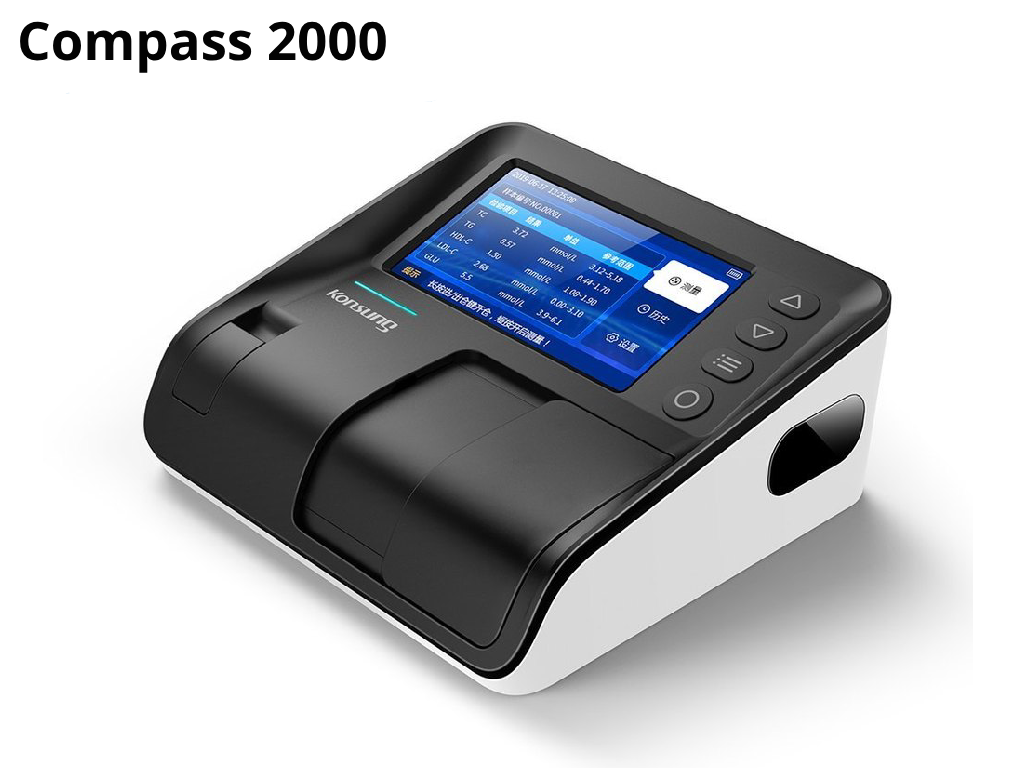
In the rapidly evolving landscape of healthcare, pharmaceutical companies are increasingly turning to innovative solutions to enhance patient care, particularly in rural areas. One such innovation is the Compass 2000, a portable diagnostic tool that facilitates rapid tests and supports early diagnosis through camp-based testing. This article explores why the Compass 2000 is becoming a preferred choice for pharma companies engaged in decentralized testing initiatives.
Understanding the Need for Decentralized Testing
Decentralized testing refers to the ability to conduct diagnostic tests outside traditional laboratory settings, bringing healthcare services closer to the patient. This approach is particularly vital in rural areas, where access to healthcare facilities can be limited. By utilizing portable diagnostic tools like the Compass 2000, healthcare providers can deliver timely and accurate results, improving patient outcomes and enabling early intervention. The benefits of decentralized testing extend beyond convenience; they also encompass improved patient satisfaction and reduced travel burdens for patients who might otherwise need to journey long distances to access laboratory services.
Key Features of the Compass 2000
The Compass 2000 stands out for several reasons:
- Portability: Designed for easy transport, the Compass 2000 is battery-operated, making it ideal for use in camps and remote clinics. Its lightweight design allows healthcare workers to move seamlessly between locations.
- Rapid Results: The device offers results in minutes from a small sample volume, which is crucial for timely clinical decisions. This rapid turnaround can significantly influence treatment pathways, especially in acute care scenarios.
- Multi-parameter Testing: It can analyze up to 12 biochemistry parameters on a single analyzer, streamlining the testing process. This capability allows healthcare providers to gather comprehensive data from a single test, reducing the need for multiple sample collections.
- User-friendly Interface: The 4.3-inch touch screen simplifies navigation, making it accessible even for non-specialist users. This design minimizes the training required for personnel, allowing for quicker deployment in various settings.
- Thermostatic Control: A built-in thermostatic control module ensures optimal testing conditions, enhancing accuracy. This feature is particularly important in environments where temperature fluctuations could compromise test integrity.
- Single-use Test Cards: The Compass 2000 utilizes Kanlife Dia card test cards, which are convenient and hygienic. These cards are designed to minimize contamination risk, ensuring reliable results.
Clinical Applications in Rural Areas
The Compass 2000 is particularly beneficial in rural healthcare settings where immediate access to diagnostic services is often lacking. Its application spans various conditions, including metabolic disorders, liver function tests, and other biochemical assessments. By enabling early diagnosis, healthcare providers can initiate treatment sooner, potentially improving patient outcomes. For example, rapid testing for diabetes-related parameters can allow for immediate lifestyle and medication adjustments, reducing the risk of complications. Moreover, the versatility of the Compass 2000 allows it to be utilized in various healthcare scenarios, from community health screenings to emergency response situations, thereby expanding its impact on public health.
Cost-Effectiveness for Pharma Companies
For pharmaceutical companies, investing in the Compass 2000 can translate to significant cost savings. The device minimizes the need for extensive laboratory infrastructure, reducing overhead costs associated with traditional testing methods. Moreover, by facilitating timely diagnoses, it can help decrease the overall burden on healthcare systems, as early intervention often leads to less complicated and less expensive treatments. Additionally, the reduction in patient transport costs and the ability to provide services in remote areas can further enhance the economic viability of decentralized testing initiatives. This cost-effectiveness not only benefits healthcare providers but also aligns with the broader objectives of improving healthcare access and outcomes in underserved populations.
Deployment and Setup Considerations
Deploying the Compass 2000 in rural areas requires careful planning. Here are some considerations:
- Training Personnel: Ensuring that healthcare workers are adequately trained to operate the device is crucial for maximizing its potential. Training programs should cover device operation, sample handling, and interpreting results to empower users.
- Logistics: Establishing a reliable supply chain for the single-use Kanlife Dia card test cards is essential for uninterrupted testing. This includes considerations for storage conditions and inventory management to avoid shortages during critical testing periods.
- Community Engagement: Collaborating with local health authorities and communities can facilitate smoother implementation and acceptance of the technology. Engaging community leaders can help in promoting awareness and understanding of the benefits of rapid testing.
- Infrastructure Assessment: Evaluating the existing infrastructure, such as power supply and connectivity, can help in planning for the effective use of the Compass 2000 in various settings. Understanding the local context is vital for successful deployment.
After-sales Support and Service
Choosing the Compass 2000 also means benefiting from Kanlife's robust after-sales support. This includes:
- Technical Assistance: Access to technical support ensures that any operational challenges can be quickly addressed. This support is crucial for maintaining the reliability of testing services.
- Maintenance Services: Regular maintenance checks help keep the device functioning optimally, ensuring reliability in testing. Scheduled maintenance can prevent unexpected breakdowns and prolong the device's lifespan.
- Training Updates: Ongoing training sessions can help healthcare providers stay updated on best practices for using the Compass 2000. This continuous education is essential for adapting to any software or procedural updates.
- Feedback Mechanisms: Implementing feedback channels allows users to report issues or suggest improvements, fostering a collaborative approach to service enhancement.
Safety Considerations for Patients and Staff
When implementing the Compass 2000 in decentralized testing initiatives, safety for both patients and staff must be a priority. The design of the device includes features that minimize risks, such as the use of single-use test cards that reduce contamination. Additionally, proper training for healthcare workers ensures that they are aware of safety protocols related to sample handling and device operation. Regular audits and compliance checks can further enhance safety measures, ensuring that the testing environment adheres to health regulations. Furthermore, providing personal protective equipment (PPE) to staff and ensuring that hygiene protocols are followed can help mitigate the risk of infection, especially in community settings where multiple patients may be tested in succession.
Conclusion: A Strategic Choice for Pharma Companies
As the demand for decentralized testing continues to grow, the Compass 2000 emerges as a strategic choice for pharmaceutical companies aiming to enhance healthcare delivery in rural areas. Its ability to provide rapid tests for early diagnosis through camp-based testing can significantly improve patient outcomes and streamline healthcare processes. By investing in this innovative solution, pharma companies can play a pivotal role in bridging the healthcare gap in underserved regions.
Clinical and diagnostic decisions should always follow your institution's protocols and the product's instructions for use.
Explore Kanlife's Compass 2000 and discover how it can enhance your decentralized testing initiatives. Request a quote or get in touch with us today!
Frequently asked questions
What is the Compass 2000?
The Compass 2000 is a portable, battery-operated diagnostic tool designed for rapid testing and early diagnosis in decentralized settings.
How does the Compass 2000 work?
It analyzes small sample volumes using dry-chemistry test cards, providing results for up to 12 biochemistry parameters within minutes.
Where is the Compass 2000 used?
The Compass 2000 is ideal for use in rural areas, camps, and clinics where access to laboratory facilities is limited.
What should I look for when buying a rapid test device?
Consider portability, ease of use, speed of results, multi-parameter capabilities, and after-sales support.
How much does the Compass 2000 cost?
Pricing for the Compass 2000 varies based on vendor and location; it's best to contact Kanlife for specific quotes.