The Role of Patient Monitors in Critical Care Settings
Introduction
In critical care settings, patient monitors play a pivotal role in ensuring the safety and well-being of patients. These sophisticated devices provide real-time data on vital signs and other physiological parameters, enabling healthcare professionals to make informed decisions quickly. As a key component of modern healthcare, understanding the function and benefits of patient monitors is essential for both clinicians and administrators.
Background and Context
Critical care environments, such as Intensive Care Units (ICUs) and emergency departments, are characterized by the need for constant monitoring of patients who are often in unstable conditions. Patient monitors are designed to track various vital signs, including heart rate, blood pressure, respiratory rate, oxygen saturation, and more. The data collected by these monitors is crucial for assessing a patient's condition and guiding treatment decisions. In addition to vital signs, many monitors can also track additional parameters such as intracranial pressure, cardiac output, and temperature, providing a comprehensive view of a patient’s health status. This is particularly important in critical care where even minor fluctuations can indicate significant changes in health.
How Patient Monitors Work
Patient monitors utilize a combination of sensors, electrodes, and software to collect and display data. Here’s a breakdown of their operation:
- Sensors and Electrodes: These devices are attached to the patient’s body to measure physiological parameters. For instance, ECG electrodes monitor heart activity, while pulse oximeters measure oxygen saturation levels. Advanced sensors can also assess non-invasive blood pressure and end-tidal CO2, expanding the range of monitored parameters.
- Data Transmission: The data collected by sensors is transmitted to a central monitoring system, which may include bedside monitors or remote monitoring stations. This data transmission can occur via wired or wireless networks, providing flexibility in monitor placement and enhancing accessibility for healthcare providers.
- Data Interpretation: Advanced algorithms analyze the data to detect anomalies or trends, alerting healthcare providers to any concerning changes in a patient’s condition. Machine learning techniques are increasingly being integrated into these systems, allowing for predictive analytics that can foresee potential complications based on historical data patterns.
Clinical Applications of Patient Monitors
Patient monitors have a wide range of clinical applications, particularly in critical care settings:
- Continuous Monitoring: These monitors provide continuous assessment of vital signs, which is essential for patients undergoing invasive procedures or those with severe medical conditions. Continuous monitoring is vital for patients on life support or those recovering from major surgeries, where real-time data can guide immediate interventions.
- Early Detection of Complications: By continuously tracking vital signs, patient monitors can alert clinicians to potential complications, allowing for timely interventions that can save lives. For example, a sudden drop in oxygen saturation can prompt immediate action to prevent respiratory failure.
- Remote Monitoring: Many modern patient monitors offer remote capabilities, enabling healthcare providers to track patients from a distance, which is particularly useful in telemedicine and during pandemics. This feature allows specialists to monitor patients in different locations, enhancing collaborative care and improving access to expertise.
Benefits of Using Patient Monitors
The integration of patient monitors in critical care settings comes with numerous benefits:
- Improved Patient Outcomes: Real-time monitoring leads to quicker responses to changes in a patient’s condition, significantly improving outcomes. Studies have shown that early detection of deterioration can reduce mortality rates in critical care settings.
- Enhanced Workflow Efficiency: Automated data collection reduces the burden on healthcare staff, allowing them to focus on patient care rather than manual monitoring. This efficiency is particularly important in high-stress environments where every second counts.
- Data-Driven Decision Making: Continuous data collection provides clinicians with valuable insights, enabling more informed treatment decisions. Access to comprehensive data allows for personalized treatment plans tailored to individual patient needs.
Considerations and Limitations
While patient monitors are invaluable tools in critical care, there are several considerations and limitations:
- Calibration and Maintenance: Regular calibration and maintenance are necessary to ensure accurate readings, which requires time and resources. Healthcare facilities must establish protocols for routine checks and updates of monitoring systems to maintain reliability.
- False Alarms: Patient monitors can sometimes generate false alarms, which may lead to alarm fatigue among healthcare providers. This can desensitize staff to alarms, potentially causing them to miss critical alerts. Implementing advanced algorithms to reduce false positives can help mitigate this issue.
- Training Needs: Proper training is essential for healthcare staff to effectively use and interpret data from patient monitors. Continuous education and simulation training can enhance staff competence and confidence in using these devices.
Practical and Procedural Considerations
When implementing patient monitors in critical care settings, several practical and procedural considerations come into play. First, the physical placement of monitors should facilitate easy access for healthcare providers while ensuring patient comfort. Monitors must be positioned to allow for unobstructed view and access to the patient while minimizing the risk of entanglement with medical equipment or cords.
Moreover, staff should develop protocols for responding to alerts generated by the monitoring systems. This includes defining roles and responsibilities for different team members to ensure timely interventions. Additionally, facilities must consider the integration of monitoring systems with electronic health records (EHRs) for streamlined data management. This integration can enhance communication among team members and provide a comprehensive overview of patient history and monitoring data.
Lastly, ongoing evaluation of monitoring practices is essential. Regular audits can help identify areas for improvement and ensure that monitoring protocols align with the latest clinical guidelines and technologies.
Comparison with Alternative Approaches
While patient monitors are a cornerstone of critical care, alternative approaches exist that may complement or serve as adjuncts to traditional monitoring methods. For instance, intermittent manual assessments can be used in certain scenarios, particularly in stable patients or those transitioning out of critical care. However, these approaches lack the immediacy and continuous data collection that patient monitors provide.
Another alternative is the use of wearable technology, which is gaining traction in both acute and chronic care settings. Wearable devices can monitor vital signs and other health metrics outside of traditional clinical environments, providing valuable data for remote patient management. However, these devices may not yet offer the same level of accuracy and reliability as established patient monitoring systems in critical care.
Ultimately, the choice of monitoring approach should be guided by the specific clinical context, patient needs, and available resources. Combining various methods can lead to a more comprehensive monitoring strategy, enhancing patient safety and care quality.
Conclusion
Patient monitors are a cornerstone of critical care, providing essential data that informs clinical decisions and enhances patient safety. As technology continues to evolve, these devices are becoming increasingly sophisticated, offering new features that improve monitoring capabilities. For healthcare professionals, understanding the role and functionality of patient monitors is crucial for delivering high-quality care in critical settings.
This article is intended for educational purposes only and is not a substitute for professional medical advice. Always consult a healthcare professional for medical concerns.
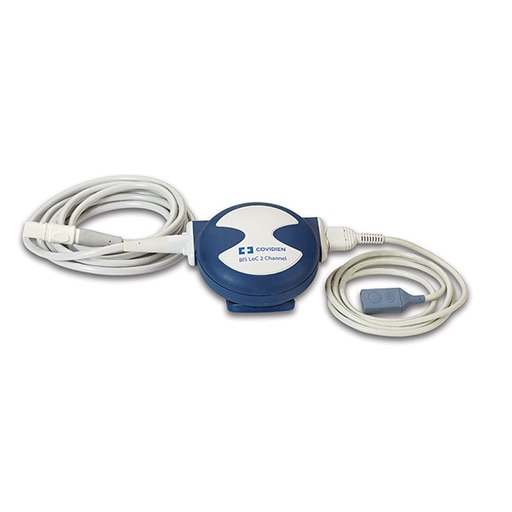
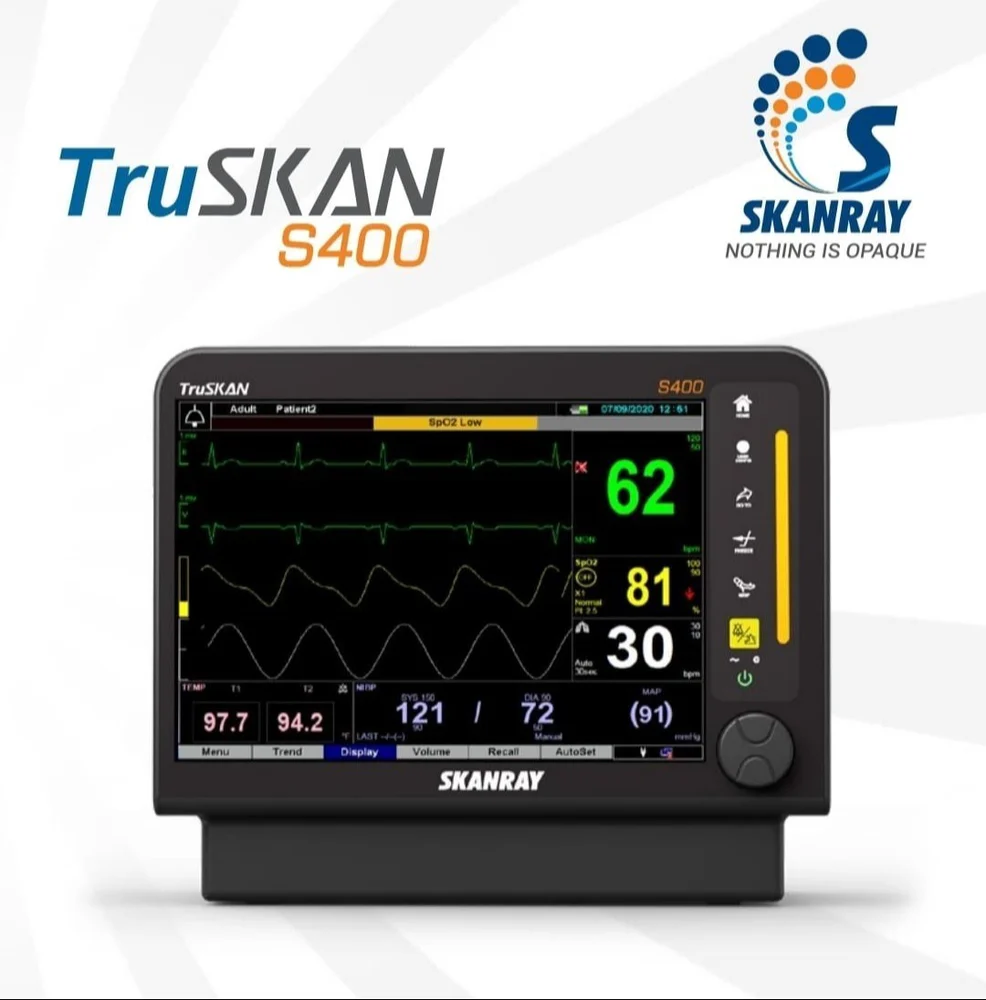
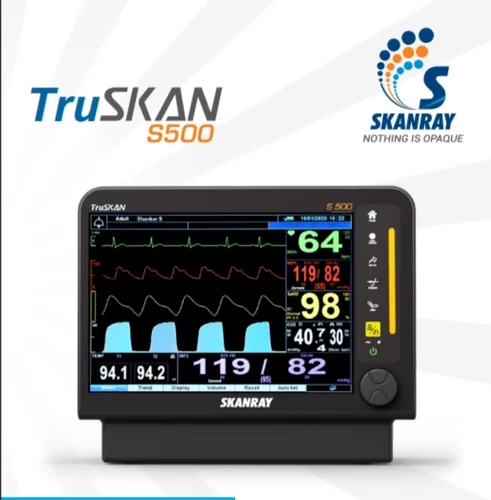
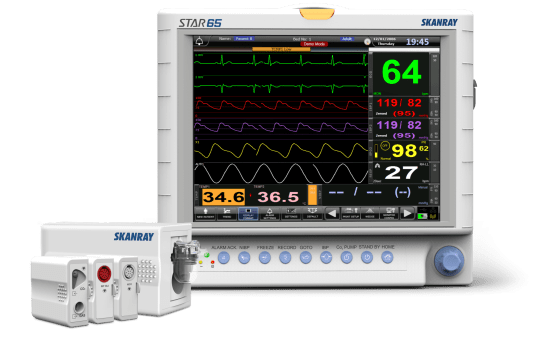
Related equipment: BIS LoC 2 Channel OEM Module With Patient Interface Cable | 186-0195-AMS, Patient Monitor System S-400, Patient Monitor System S-500, Patient Monitor STAR-65 Modular Multi Parameter Skanray
Explore Kanlife's extensive range of patient monitoring equipment to enhance your critical care capabilities. Get in touch with us today to learn more!
Frequently asked questions
What are the main functions of patient monitors?
Patient monitors track vital signs such as heart rate, blood pressure, respiratory rate, and oxygen saturation in real-time.
How do patient monitors improve patient outcomes?
By providing continuous monitoring, they enable timely interventions and quick responses to changes in a patient's condition.
What are the limitations of patient monitors?
Limitations include the need for regular calibration, potential for false alarms, and the requirement for proper staff training.
Can patient monitors be used in remote settings?
Yes, many modern patient monitors offer remote monitoring capabilities, allowing healthcare providers to track patients from a distance.
What training is required to use patient monitors?
Healthcare staff must undergo training to effectively use and interpret the data from patient monitors.