How the Compass 2000 Facilitates Rapid Liver Function Testing in Rural Healthcare Settings
Introduction
Liver diseases pose significant health challenges globally, particularly in rural areas where access to healthcare facilities is limited. Early diagnosis is crucial for effective management, and innovative solutions like the Compass 2000 are transforming how liver function testing is conducted in these underserved regions. This article explores how the Compass 2000 facilitates rapid liver function testing, enhancing patient outcomes in rural healthcare settings.
Understanding the Need for Rapid Testing in Rural Areas
In rural healthcare settings, patients often face delays in diagnosis due to geographical barriers and limited access to advanced medical facilities. Traditional laboratory tests for liver function can be time-consuming and require specialized equipment that may not be available in these areas. The demand for rapid tests that provide quick results from minimal sample volumes is growing, as timely intervention can significantly improve patient outcomes. For instance, conditions like hepatitis or cirrhosis can progress rapidly without timely intervention, making rapid testing essential in rural settings where patients may not have easy access to specialists.
The Compass 2000: A Game Changer in Liver Function Testing
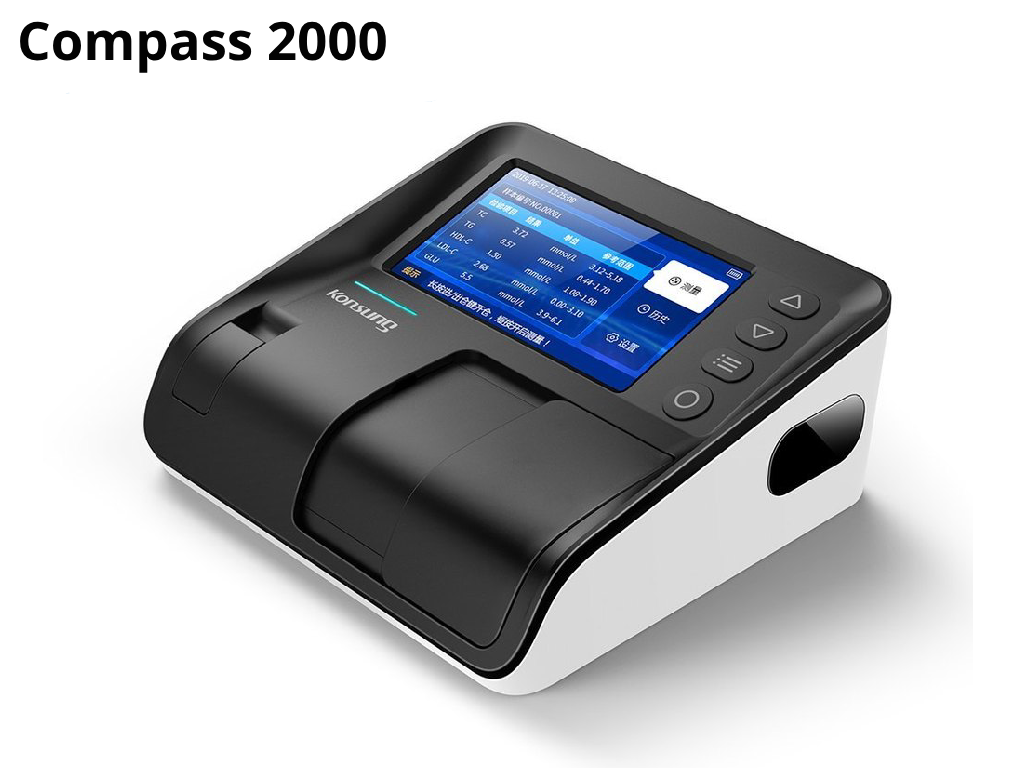
The Compass 2000, developed by Kanlife, is a portable and battery-operated analyzer designed specifically for decentralized testing environments such as camps and clinics. Utilizing dry-chemistry test cards, it can assess up to 12 biochemistry parameters simultaneously, making it an efficient tool for liver function evaluation. This capability is particularly beneficial in rural healthcare settings, where healthcare providers often need to make quick decisions based on limited resources. The device’s ability to conduct multiple tests in one run minimizes the need for multiple visits, thereby enhancing patient compliance and satisfaction.
Key Features of the Compass 2000
- Portability: Its lightweight design makes it ideal for use in remote locations, allowing healthcare workers to bring testing capabilities directly to patients.
- Rapid Results: The Compass 2000 delivers results in minutes, enabling healthcare providers to make timely decisions regarding patient management and treatment.
- Small Sample Volume: It requires only a small volume of blood, which is particularly beneficial for patients in rural settings where sample collection can be challenging.
- User-Friendly Interface: The 4.3-inch touch screen simplifies operation, making it accessible to healthcare workers with varying levels of technical expertise.
- Built-in Thermostatic Control: This feature ensures optimal test conditions, enhancing the reliability of results and reducing variability that can occur with temperature fluctuations.
Clinical Applications of the Compass 2000
The Compass 2000 is not just a diagnostic tool; it plays a vital role in various clinical scenarios:
- Early Diagnosis: Rapid testing enables healthcare providers to detect liver dysfunction early, facilitating prompt treatment and improving overall prognosis.
- Screening Camps: Mobile health camps can utilize the Compass 2000 to screen large populations for liver diseases, helping to identify at-risk individuals who may not otherwise seek care.
- Remote Monitoring: For patients in rural areas, the Compass 2000 allows for ongoing monitoring of liver function, reducing the need for frequent hospital visits and enabling better management of chronic conditions.
Cost Considerations for Procurement
When considering the procurement of the Compass 2000 for rural healthcare settings, several cost factors come into play:
- Initial Investment: While the upfront cost is a consideration, the long-term savings from early diagnosis and reduced hospital admissions can justify the expense. The potential for better health outcomes can also lead to decreased overall healthcare costs for communities.
- Operational Costs: The use of single-use Kanlife Dia card test cards (available in packs of six) adds to the operational costs, but these are typically lower than traditional lab tests. Additionally, the reduction in transportation and logistical expenses associated with sending samples to distant labs can further offset costs.
- Training and Support: Investing in training for healthcare workers is essential to maximize the benefits of the Compass 2000. Ongoing education ensures that staff are proficient in using the device and interpreting results accurately.
Deployment and Setup in Rural Areas
Deploying the Compass 2000 in rural healthcare settings requires careful planning:
- Infrastructure Assessment: Evaluate the existing healthcare infrastructure to determine the best locations for deployment. Understanding local healthcare workflows can help integrate the Compass 2000 more effectively.
- Logistical Support: Ensure that adequate logistical support is in place for transportation and maintenance of the device. This includes planning for regular supply deliveries of test cards and any necessary maintenance tools.
- Community Engagement: Involve local healthcare providers and community leaders to promote awareness and acceptance of the technology. Community buy-in can enhance the utilization of the device and improve patient trust in the testing process.
After-Sales Support and Service
Choosing a reliable after-sales support service is crucial for the successful implementation of the Compass 2000. Kanlife provides comprehensive support, including:
- Technical Assistance: Ongoing technical support ensures that any issues are promptly addressed, minimizing downtime for the device and ensuring continuity of care.
- Regular Maintenance: Scheduled maintenance checks can help prolong the lifespan of the device, ensuring it operates at peak efficiency and accuracy.
- Training Programs: Continuous training programs for healthcare providers help maintain high operational standards and keep staff updated on any new features or best practices.
Practical and Procedural Considerations
Implementing the Compass 2000 in rural healthcare settings requires adherence to specific practical and procedural guidelines to ensure effective usage. First, healthcare facilities should establish standard operating procedures (SOPs) for the use of the device, which includes proper sample collection, handling, and testing protocols. Training sessions should cover these SOPs comprehensively to ensure all staff members are familiar with the processes. Additionally, regular audits of testing practices can help maintain standards and identify areas for improvement.
Another important consideration is the integration of the Compass 2000 into existing healthcare workflows. Healthcare providers should assess how the rapid testing capabilities of the Compass 2000 can complement traditional diagnostic pathways, ensuring that it enhances rather than disrupts patient care. For example, results from the Compass 2000 can guide immediate treatment decisions, while also serving as preliminary data for more comprehensive follow-up tests if necessary.
Safety Notes for Patient and Staff
Ensuring the safety of both patients and staff when using the Compass 2000 is paramount. Staff should be trained in infection control practices, particularly in the collection and handling of blood samples. Proper use of personal protective equipment (PPE) is essential to minimize the risk of exposure to bloodborne pathogens. Additionally, facilities should implement waste disposal protocols for biohazardous materials to ensure compliance with local health regulations.
Moreover, the Compass 2000’s design includes safety features that help mitigate risks during operation. Regular maintenance checks are critical to ensure that these safety features are functioning correctly. Healthcare providers should also be encouraged to report any incidents or near misses to facilitate continuous improvement of safety protocols.
Conclusion
The Compass 2000 represents a significant advancement in the field of liver function testing, particularly in rural areas where access to healthcare is often limited. By facilitating rapid tests and enabling early diagnosis, it empowers healthcare professionals to make timely decisions that can dramatically improve patient outcomes. As the demand for efficient and effective diagnostic tools continues to grow, the Compass 2000 stands out as a vital resource for rural healthcare settings.
Clinical and diagnostic decisions should always follow your institution's protocols and the product's instructions for use.
Explore Kanlife's range of diagnostic equipment, including the Compass 2000, and request a quote today to enhance your healthcare offerings in rural areas.
Frequently asked questions
What is the Compass 2000?
The Compass 2000 is a portable, battery-operated analyzer designed for rapid liver function testing, capable of providing results in minutes.
How does the Compass 2000 work?
It uses dry-chemistry test cards to analyze up to 12 biochemistry parameters from a small blood sample, delivering quick results.
Where is the Compass 2000 used?
The Compass 2000 is ideal for rural healthcare settings, mobile health camps, and clinics where rapid liver function testing is needed.
What should I look for when buying a rapid liver function testing device?
Consider portability, ease of use, the number of parameters tested, speed of results, and support services when selecting a device.
How much does the Compass 2000 cost?
The cost of the Compass 2000 varies based on procurement agreements; contact Kanlife for specific pricing information.