Evaluating Cost-Effective Diagnostic Equipment for NICU: What to Consider
Understanding the Importance of Cost-Effective NICU Diagnostic Equipment
In the Neonatal Intensive Care Unit (NICU), providing high-quality care to premature and critically ill infants is paramount. However, the financial constraints faced by many healthcare facilities necessitate a careful evaluation of diagnostic equipment options. Cost-effective NICU diagnostic equipment not only helps in managing budgets but also ensures that healthcare providers can deliver the best possible outcomes for their patients. The challenge lies in balancing the need for advanced technology with the realities of healthcare budgets, making it essential for procurement teams to focus on both cost and clinical efficacy.
Key Factors to Consider When Evaluating NICU Diagnostic Equipment
1. Clinical Needs and Applications
Before procuring any diagnostic equipment for the NICU, it is crucial to assess the specific clinical needs of the unit. Different diagnostic tools serve various functions, such as monitoring vital signs, assessing respiratory function, or conducting imaging studies. Understanding the primary applications of the equipment will help in selecting devices that align with the unit's patient care goals. For example, if a NICU frequently treats infants with respiratory distress, investing in high-quality respiratory monitoring systems becomes a priority. This targeted approach allows for a more strategic allocation of resources.
2. Total Cost of Ownership (TCO)
When evaluating cost-effective solutions, consider the total cost of ownership (TCO), which includes not only the initial purchase price but also ongoing maintenance, consumables, and potential upgrades. A device that appears inexpensive upfront may incur significant costs over time due to high consumable needs or frequent repairs. Therefore, a comprehensive cost analysis is essential. Additionally, consider the expected lifespan of the equipment and how often it will require replacement or major servicing, as these factors can significantly impact the long-term financial picture.
3. Equipment Reliability and Performance
Reliability is a critical factor in the NICU, where diagnostic equipment must perform consistently under demanding conditions. Investigate the track record of the equipment's manufacturer and any available clinical performance data. Equipment that has demonstrated reliability in similar settings will be more likely to meet the rigorous demands of NICU care. Furthermore, consider the warranty and service agreements offered by manufacturers, as these can provide additional assurance regarding the equipment's reliability and the support available in case of malfunction.
4. Integration with Existing Systems
Consider how new diagnostic equipment will integrate with existing systems in the NICU. Equipment that is compatible with current electronic health records (EHR) and monitoring systems can streamline workflow and enhance data sharing among healthcare providers. This integration reduces the likelihood of errors and improves overall patient management. Moreover, seamless integration can facilitate better data analytics, allowing healthcare teams to track patient outcomes and optimize care protocols based on real-time data.
5. User Training and Support
Effective training and ongoing support are vital for the successful implementation of new diagnostic equipment. Evaluate the training resources provided by the manufacturer, including user manuals, online resources, and hands-on training sessions. Additionally, consider the availability of technical support for troubleshooting and maintenance. A solid training program can significantly reduce the learning curve for staff and enhance their confidence in using the equipment, ultimately leading to better patient care.
6. Regulatory Compliance and Safety Standards
All diagnostic equipment used in the NICU must comply with relevant regulatory standards to ensure patient safety. Verify that the equipment meets the necessary certifications from regulatory bodies such as the US FDA or CE marking. This compliance not only safeguards patient well-being but also protects healthcare facilities from potential liabilities. Additionally, it is important to stay updated on any changes in regulations that may affect the equipment's use or necessitate modifications to existing protocols.
7. Feedback from Clinical Staff
Engaging with clinical staff who will be using the equipment is crucial for understanding its practical benefits and limitations. Gather feedback from nurses, physicians, and technicians regarding their experiences with existing equipment and their needs for new tools. This input can guide procurement decisions and ensure that the selected equipment meets the real-world demands of NICU care. Additionally, involving clinical staff in the decision-making process fosters a sense of ownership and can lead to smoother implementation of new technologies.
Practical Considerations for Equipment Deployment
When introducing new diagnostic equipment into the NICU, several practical considerations must be addressed to ensure a smooth deployment. First, assess the physical space available in the NICU to accommodate the new devices. Considerations include power supply requirements, proximity to patient beds, and the need for specialized infrastructure, such as dedicated ventilation systems for equipment that generates heat. Second, establish a clear timeline for the rollout of the new equipment, which includes scheduling training sessions for staff and ensuring that all necessary supplies and consumables are available at the time of installation. Moreover, plan for a phased implementation if multiple devices are being introduced simultaneously, allowing for adjustments based on initial feedback and performance evaluations.
Comparison with Alternative Approaches
In the context of NICU diagnostic equipment, it is essential to compare the proposed solutions with alternative approaches. For instance, while traditional monitoring systems may offer reliability, newer technologies such as wireless monitoring devices can provide improved flexibility and patient mobility. Assessing the pros and cons of each option can help procurement teams make informed decisions that align with both clinical needs and budget constraints. Additionally, consider the use of telemedicine solutions that can enable remote monitoring and consultation, which is particularly beneficial in reducing the risk of infection and exposure for vulnerable infants. By evaluating various approaches, healthcare facilities can select the most effective and efficient diagnostic tools for their NICU.
Cost-Effective NICU Diagnostic Equipment Options
Several categories of diagnostic equipment are commonly used in NICUs, each with specific cost-effective options:
- Monitoring Devices: Consider multiparameter monitors that provide real-time data on vital signs, allowing for comprehensive patient assessments.
- Imaging Equipment: Portable ultrasound devices can offer high-quality imaging without the need for transporting fragile infants to radiology departments.
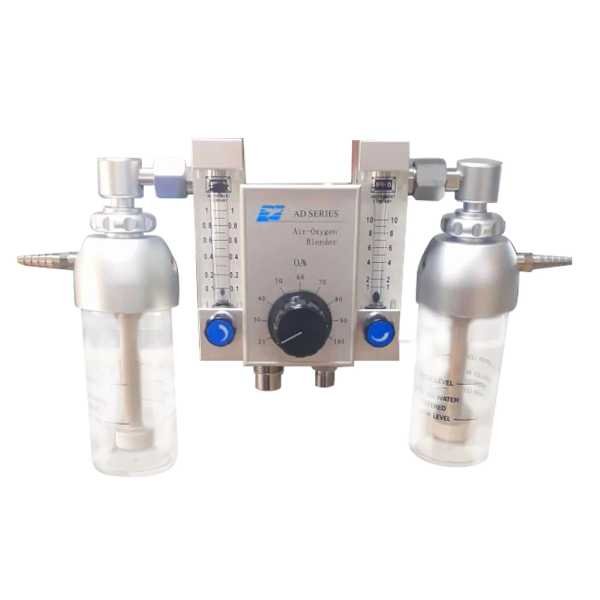
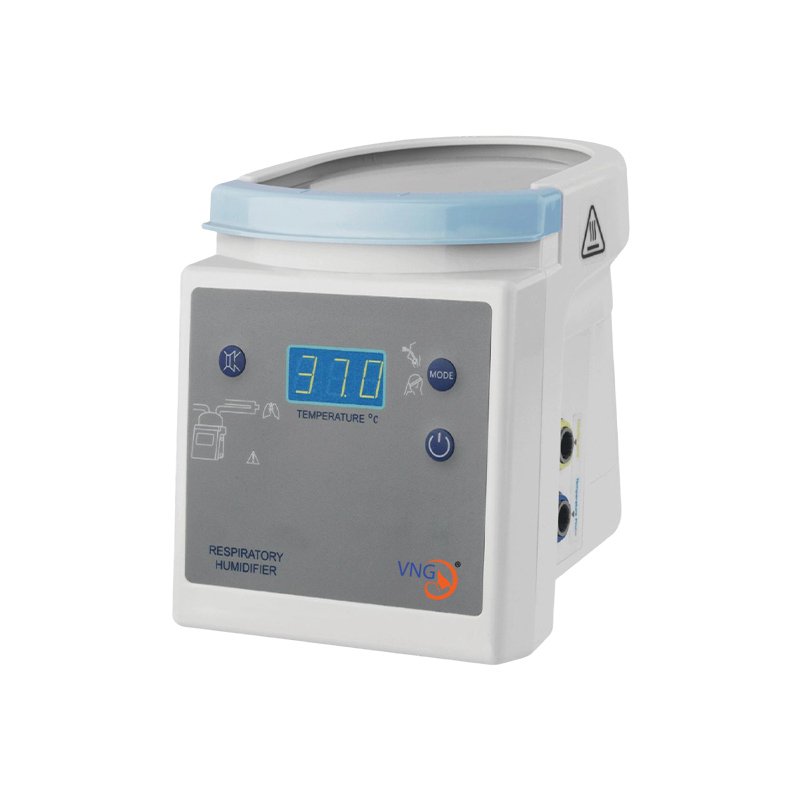
- Respiratory Support Devices: Cost-effective non-invasive ventilation systems can enhance respiratory care while minimizing the risk of complications.
- Point-of-Care Testing Devices: Rapid diagnostic tests for conditions like jaundice or infections can facilitate timely interventions, improving patient outcomes.
Conclusion: Making Informed Procurement Decisions
Evaluating cost-effective diagnostic equipment for the NICU involves a multifaceted approach that balances clinical needs, financial considerations, and equipment performance. By carefully assessing these factors, healthcare facilities can procure devices that not only fit their budgets but also enhance the quality of care provided to vulnerable infants. Engaging with clinical staff, understanding the total cost of ownership, and considering integration with existing systems are all critical steps in this process.
Clinical and diagnostic decisions should always follow your institution's protocols and the product's instructions for use.
Explore Kanlife's range of NICU diagnostic equipment and request a quote today to ensure your facility is equipped with the best solutions for your patients.
Frequently asked questions
What is NICU diagnostic equipment?
NICU diagnostic equipment refers to medical devices used in the Neonatal Intensive Care Unit to monitor and assess the health of premature and critically ill infants.
How do I evaluate cost-effective NICU diagnostic equipment?
Evaluate cost-effective NICU diagnostic equipment by considering clinical needs, total cost of ownership, reliability, integration with existing systems, user training, regulatory compliance, and feedback from clinical staff.
What are some examples of NICU diagnostic equipment?
Examples of NICU diagnostic equipment include multiparameter monitors, portable ultrasound devices, non-invasive ventilation systems, and point-of-care testing devices.
Where can I find cost-effective NICU diagnostic equipment?
Cost-effective NICU diagnostic equipment can be sourced from reputable medical equipment distributors like Kanlife Group, which offers a range of solutions tailored for neonatal care.
How important is equipment reliability in the NICU?
Equipment reliability is crucial in the NICU, as consistent performance is essential for monitoring and managing the health of fragile infants.