Transforming Camp-Based Healthcare: The Role of the Compass 2000 in Early Diagnosis
Introduction to Camp-Based Healthcare
Camp-based healthcare initiatives play a crucial role in reaching underserved populations, particularly in rural areas where access to medical facilities is limited. These initiatives often focus on early diagnosis and treatment of diseases, which can significantly improve patient outcomes. The integration of portable diagnostic tools is essential for the success of these programs, enabling healthcare professionals to deliver timely care and interventions. In such settings, the challenges of limited resources and infrastructure necessitate innovative solutions that can bridge the gap between patients and healthcare providers.
The Compass 2000: A Game Changer for Early Diagnosis
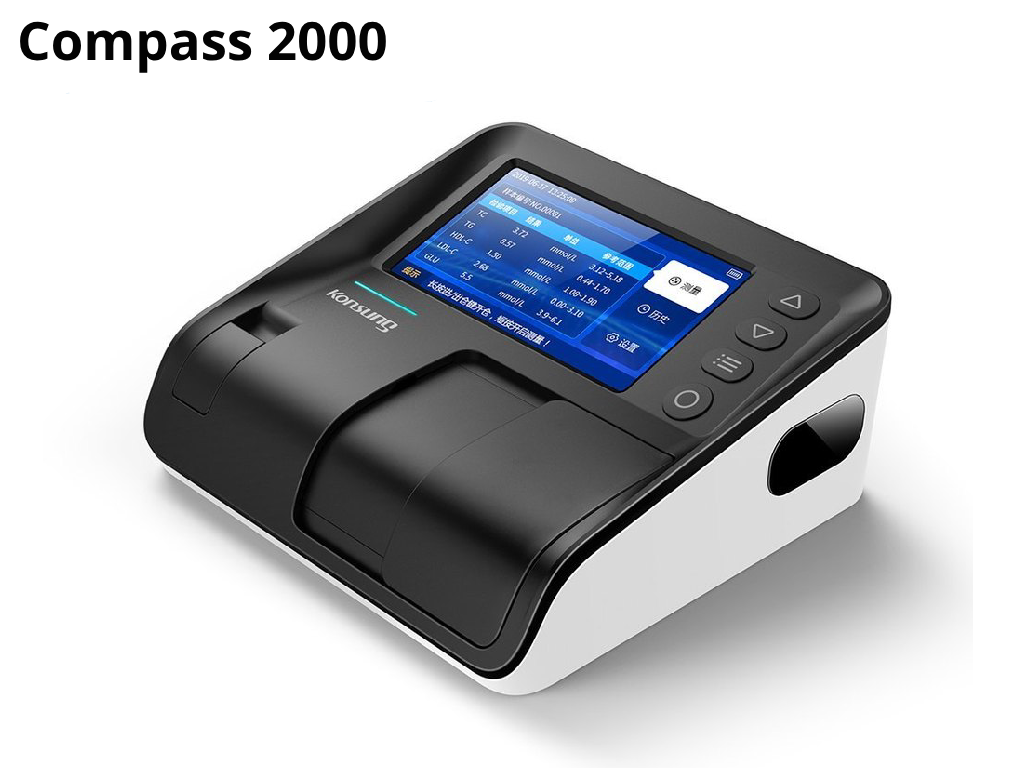
The Compass 2000, developed by Kanlife, is a portable, battery-operated analyzer designed specifically for decentralized testing in camp-based healthcare settings. With its ability to perform rapid tests across multiple biochemistry parameters, the Compass 2000 is transforming how healthcare is delivered in rural areas. This device not only enhances the efficiency of diagnostic processes but also empowers healthcare workers by providing them with the tools needed to make informed decisions quickly.
Key Features of the Compass 2000
- Portable and Battery-Operated: The Compass 2000 is designed for mobility, making it ideal for use in camps, clinics, and remote locations where power supply may be inconsistent.
- Dry-Chemistry Test Cards: Utilizes single-use Kanlife Dia card test cards, allowing for efficient testing without the need for extensive laboratory infrastructure, which is often unavailable in rural settings.
- Multi-Parameter Testing: Capable of analyzing up to 12 biochemistry parameters from a small sample volume, facilitating comprehensive assessments in a short time, which is critical in emergency situations.
- Rapid Results: Provides results in minutes, enabling healthcare providers to make quick decisions regarding patient care, ultimately leading to better health outcomes.
- User-Friendly Interface: Features a 4.3-inch touch screen and a built-in thermostatic control module for ease of use, ensuring that healthcare workers can operate the device with minimal training.
Clinical Applications in Camp-Based Settings
The Compass 2000 is particularly valuable in camp-based healthcare settings where rapid diagnosis is essential. Its applications include:
- Screening for Infectious Diseases: Rapid tests can help identify infectious diseases early, allowing for timely treatment and containment. This is particularly important in outbreak situations where quick action can prevent further spread.
- Monitoring Chronic Conditions: For patients with chronic diseases, the Compass 2000 can facilitate regular monitoring, ensuring effective management and timely interventions. Regular testing helps in adjusting treatment plans based on real-time data.
- Emergency Situations: In emergency scenarios, quick access to diagnostic information can be life-saving, making the Compass 2000 an essential tool for first responders. Its portability allows it to be deployed in various environments, from disaster zones to refugee camps.
Impact on Rural Healthcare
In rural areas, the availability of comprehensive healthcare services is often limited. The Compass 2000 addresses this challenge by providing healthcare professionals with the tools they need to conduct rapid tests and make informed decisions. The ability to deliver early diagnoses can lead to:
- Improved Patient Outcomes: Early detection of diseases can significantly enhance treatment success rates and reduce morbidity. For instance, timely diagnosis of diabetes can prevent complications such as neuropathy and retinopathy.
- Increased Accessibility: By enabling testing in remote locations, the Compass 2000 makes healthcare more accessible to populations that may otherwise go undiagnosed. This is particularly crucial in areas where transportation to healthcare facilities is a barrier.
- Cost-Effectiveness: Rapid tests can reduce the need for extensive laboratory testing, lowering costs for healthcare providers and patients alike. This cost-effectiveness allows for more resources to be allocated to other critical areas of healthcare.
Considerations for Procurement
For pharmaceutical companies and healthcare organizations looking to invest in the Compass 2000, several factors should be considered:
- Cost of Test Cards: The Compass 2000 uses single-use Kanlife Dia card test cards, which should be factored into overall procurement costs. Understanding the pricing structure for these consumables is essential for budgeting.
- Training and Support: Ensure that adequate training is provided to healthcare staff to maximize the effectiveness of the Compass 2000. Training programs can enhance user confidence and improve the accuracy of test results.
- After-Sales Support: Consider the availability of technical support and maintenance services to ensure the longevity and reliability of the device. Reliable after-sales support can minimize downtime and ensure continuous operation in critical settings.
Practical Considerations for Deployment
When deploying the Compass 2000 in camp-based healthcare settings, several practical considerations must be taken into account. First, the environmental conditions should be assessed; the device should be kept in a stable temperature range to ensure accurate results. Additionally, training for healthcare workers must be tailored to the specific challenges they might encounter in the field, including the handling of samples and understanding the limitations of the tests. Furthermore, logistical planning is crucial; ensuring that test cards and other supplies are readily available will prevent interruptions in service. Finally, maintaining a feedback loop with users can help identify areas for improvement and optimize the use of the Compass 2000 in various healthcare scenarios.
Safety and Maintenance Considerations
Patient and staff safety is paramount when using diagnostic equipment like the Compass 2000. It is essential to follow proper hygiene protocols, especially when dealing with biological samples. Regular maintenance of the device, including cleaning and calibration, is vital to ensure accurate performance and prolong its lifespan. Staff should also be trained to recognize any signs of malfunction or error messages displayed by the device, allowing for timely troubleshooting. Additionally, understanding the disposal protocols for used test cards and samples is necessary to prevent contamination and ensure compliance with health regulations. By prioritizing safety and maintenance, healthcare providers can enhance the reliability and effectiveness of the Compass 2000 in camp-based settings.
Conclusion
The Compass 2000 is revolutionizing the landscape of camp-based healthcare by enabling rapid tests for early diagnosis in rural areas. Its portability, efficiency, and user-friendly design make it an invaluable tool for healthcare providers working in challenging environments. By investing in the Compass 2000, organizations can enhance their healthcare delivery capabilities and improve patient outcomes in underserved populations.
Clinical and diagnostic decisions should always follow your institution's protocols and the product's instructions for use.
Explore Kanlife's range of diagnostic equipment, including the Compass 2000, to enhance your camp-based healthcare initiatives. Request a quote or get in touch with us today!
Frequently asked questions
What is the Compass 2000?
The Compass 2000 is a portable, battery-operated analyzer designed for decentralized testing, capable of performing rapid tests across multiple biochemistry parameters.
How does the Compass 2000 work?
The Compass 2000 uses dry-chemistry test cards to analyze small sample volumes, providing rapid results in minutes, making it ideal for camp-based healthcare settings.
Where is the Compass 2000 used?
The Compass 2000 is used in camp-based healthcare initiatives, clinics, and rural areas where access to traditional laboratory facilities is limited.
What should I look for when buying the Compass 2000?
Consider factors such as the cost of test cards, training and support for healthcare staff, and after-sales service when procuring the Compass 2000.
How much does the Compass 2000 cost?
The cost of the Compass 2000 varies based on procurement agreements, but it is designed to be a cost-effective solution for rapid testing in rural healthcare settings.