Cost-Effective Solutions for Hepatology: The Compass 2000's Value in Rural Clinics
Introduction to Hepatology in Rural Clinics
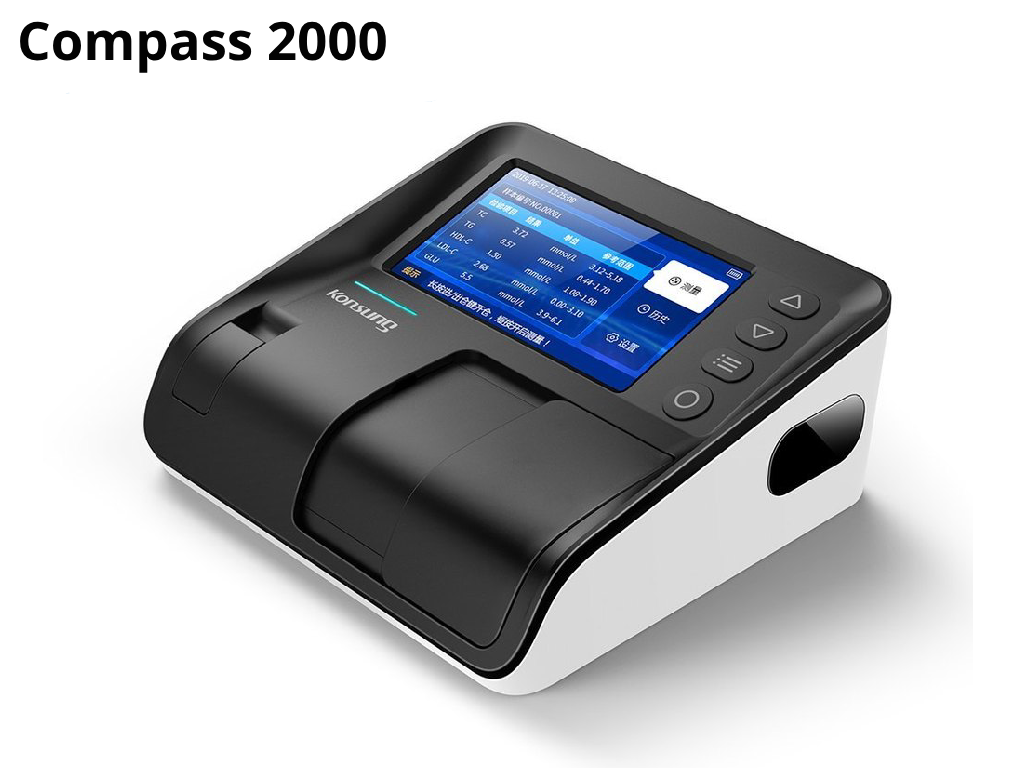
Hepatology, the study of liver function and diseases, is increasingly vital in rural healthcare settings where access to specialized diagnostic tools is often limited. The need for early diagnosis of liver conditions is paramount to improve patient outcomes. Rural clinics face unique challenges, including resource constraints and the necessity for cost-effective solutions. The Compass 2000, a portable and battery-operated analyzer from Kanlife, is emerging as a game-changer in this context. It not only enhances diagnostic capabilities but also addresses the logistical barriers faced by healthcare providers in these settings.
Understanding the Compass 2000
The Compass 2000 is designed specifically for decentralized testing, making it ideal for rural areas and camp-based healthcare initiatives. With its unique features, this device allows for the assessment of up to 12 biochemistry parameters from a small sample volume, delivering results in minutes. Its 4.3-inch touch screen enhances usability, while the built-in thermostatic control module ensures accurate testing conditions. This combination of portability and advanced technology makes it a crucial tool for healthcare professionals working in environments where traditional laboratory services are not available.
Key Features that Support Rural Healthcare
- Portability: The Compass 2000 is lightweight and battery-operated, enabling healthcare workers to conduct tests in remote locations without the need for extensive infrastructure. This feature is particularly important in rural settings, where access to electricity and laboratory facilities may be limited.
- Rapid Results: The device provides quick results, which is crucial for early diagnosis and timely intervention, especially in rural clinics where patients may have to travel long distances for follow-up care. Fast turnaround times can significantly reduce the waiting period for patients, allowing for quicker treatment decisions.
- Dry-Chemistry Test Cards: Utilizing single-use Kanlife Dia card test cards, the Compass 2000 simplifies the testing process and reduces the risk of contamination. These test cards are designed to provide reliable results while minimizing the handling of samples, which is essential in maintaining hygiene standards in rural clinics.
Clinical Applications in Rural Settings
The Compass 2000 is particularly beneficial in rural clinics where access to traditional laboratory services is limited. Its rapid testing capabilities allow for the early diagnosis of liver diseases, including hepatitis and fatty liver disease. By enabling healthcare providers to conduct camp-based tests, the device supports community health initiatives aimed at screening and educating populations at risk. Additionally, the ability to perform these tests on-site means that more patients can be reached, particularly in underserved communities where healthcare resources are scarce.
Enhancing Patient Care through Early Diagnosis
Early diagnosis of liver conditions can significantly impact patient management and treatment outcomes. The Compass 2000 facilitates this by allowing healthcare providers to quickly identify patients who require further evaluation or intervention. This is especially important in rural areas where delays in diagnosis can lead to disease progression and more complex treatment requirements. By improving access to diagnostic testing, the Compass 2000 helps reduce the burden on healthcare systems and ensures that patients receive timely care, which can ultimately save lives.
Procurement Considerations for Pharma Companies
For pharmaceutical companies looking to support rural healthcare, investing in the Compass 2000 represents a strategic opportunity. The device not only enhances the diagnostic capabilities of rural clinics but also aligns with the goals of improving public health outcomes. When considering procurement, companies should evaluate factors such as:
- Cost-Effectiveness: The Compass 2000 offers a cost-effective solution for rural clinics, reducing the need for expensive laboratory infrastructure. This can help clinics allocate their limited budgets more effectively, focusing on other essential areas of patient care.
- Ease of Use: With its intuitive interface, healthcare providers can easily operate the device, minimizing training time and maximizing efficiency. This is crucial in rural settings where staff may have varying levels of technical expertise.
- Support and Maintenance: Ensuring access to after-sales support and service is crucial for maintaining the device's functionality in remote locations. Companies should consider the availability of technical support and the ease of obtaining replacement parts when making procurement decisions.
Deployment and Setup in Rural Clinics
Implementing the Compass 2000 in rural healthcare settings involves several key steps:
- Training Healthcare Workers: Providing comprehensive training for healthcare providers is essential to ensure they can effectively utilize the device and interpret results. Training programs should be tailored to the specific needs of rural clinics, focusing on practical, hands-on experience.
- Establishing Testing Protocols: Developing clear protocols for when and how to use the Compass 2000 will enhance its integration into existing healthcare workflows. This includes guidelines on sample collection, handling, and result interpretation to ensure consistency and reliability.
- Community Awareness: Educating the local population about the availability of rapid liver function testing can encourage individuals to seek early diagnosis and treatment. Community outreach initiatives can help raise awareness about liver health and the importance of regular screenings.
Practical Considerations for Using the Compass 2000
When deploying the Compass 2000 in rural clinics, several practical considerations must be addressed to ensure its effective use. First, the environmental conditions in which the device will be used should be assessed. The Compass 2000 is designed to operate in a variety of settings, but extreme temperatures or humidity can affect performance. Therefore, clinics should ensure that the device is stored and used within the recommended environmental parameters.
Second, regular maintenance and calibration of the Compass 2000 are essential to ensure accuracy and reliability. Clinics should establish a schedule for routine checks and maintenance, as well as a protocol for reporting any issues that arise during testing. This proactive approach can help prevent downtime and ensure that the device remains in optimal working condition.
Finally, fostering a culture of safety among healthcare workers is crucial. Staff should be trained not only on the technical aspects of using the Compass 2000 but also on best practices for infection control and patient safety. This includes proper handling of samples, use of personal protective equipment, and adherence to hygiene protocols to minimize the risk of contamination.
Conclusion: The Future of Hepatology in Rural Areas
The Compass 2000 represents a significant advancement in hepatology diagnostics, particularly in rural healthcare settings. By providing rapid test capabilities for early diagnosis, this portable device can transform how liver diseases are detected and managed in underserved populations. As healthcare providers and pharmaceutical companies collaborate to enhance rural healthcare, the adoption of innovative solutions like the Compass 2000 will be crucial in improving patient outcomes. Investing in such technologies not only addresses immediate healthcare needs but also contributes to building more resilient healthcare systems in rural areas.
Clinical and diagnostic decisions should always follow your institution's protocols and the product's instructions for use.
Explore Kanlife's range of diagnostic equipment, request a quote for the Compass 2000, or get in touch with us to enhance your rural healthcare initiatives.
Frequently asked questions
What is the Compass 2000?
The Compass 2000 is a portable, battery-operated diagnostic analyzer designed for rapid testing in rural clinics, enabling early diagnosis of liver diseases.
How does the Compass 2000 work?
It uses dry-chemistry test cards to analyze up to 12 biochemistry parameters from a small sample volume, providing results in minutes.
Where is the Compass 2000 used?
It is primarily used in rural clinics and camp-based healthcare settings for liver function testing and other biochemistry assessments.
What should I look for when buying a rapid test device?
Consider factors such as portability, ease of use, speed of results, and after-sales support when choosing a rapid test device.
How much does the Compass 2000 cost?
For pricing information, please contact Kanlife directly to discuss your specific needs and procurement options.