Assessing the Impact of Advanced Diagnostic Tools on Liver Disease Management
Introduction
Liver disease remains a significant global health challenge, with conditions such as hepatitis, cirrhosis, and liver cancer affecting millions. The management of liver disease has evolved dramatically with the advent of advanced diagnostic tools, which play a critical role in enhancing patient outcomes and guiding clinical decisions. This article delves into the impact of these advanced diagnostics on liver disease management, focusing on their mechanisms, clinical applications, benefits, and limitations.
Background on Liver Disease
The liver is a vital organ responsible for numerous functions, including detoxification, metabolism, and synthesis of proteins. Liver diseases can arise from various etiologies, including viral infections, alcohol abuse, and metabolic disorders. Early and accurate diagnosis is crucial for effective management and treatment. Traditional diagnostic methods often fall short in terms of sensitivity and specificity, particularly in the early stages of liver disease. For instance, liver biopsy, while considered the gold standard for diagnosing fibrosis, is invasive and carries risks such as bleeding and infection. Consequently, there is a pressing need for non-invasive alternatives that can provide timely and accurate assessments of liver health.
How Advanced Diagnostic Tools Work
Advanced diagnostic tools for liver disease encompass a range of technologies, including:
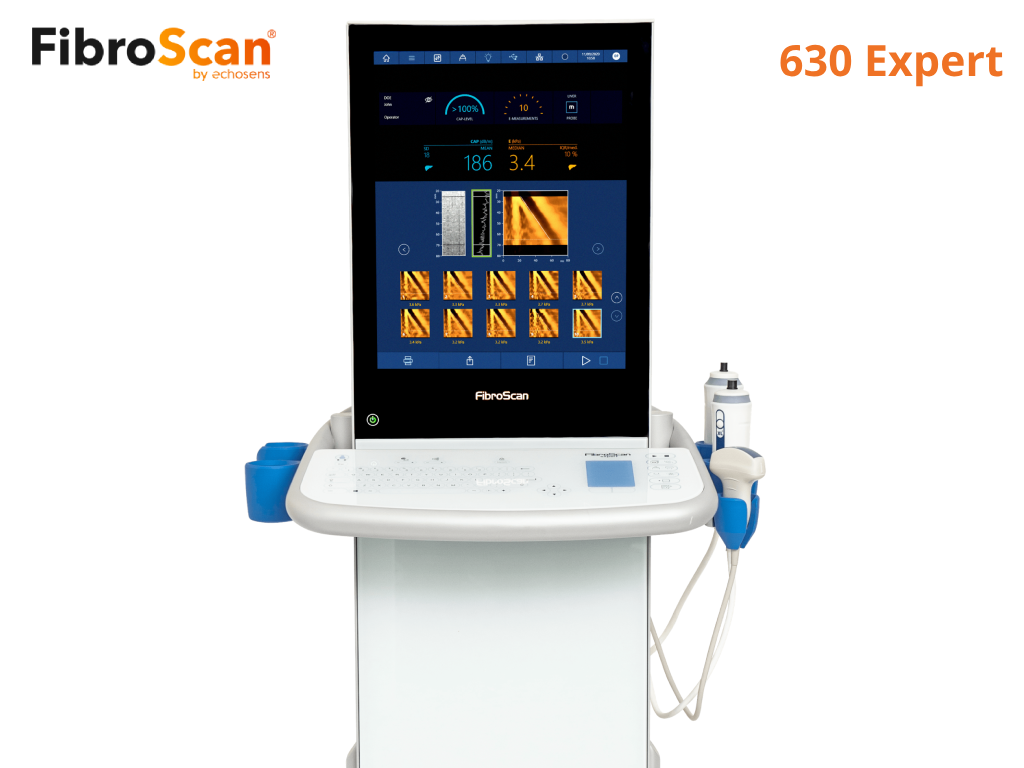
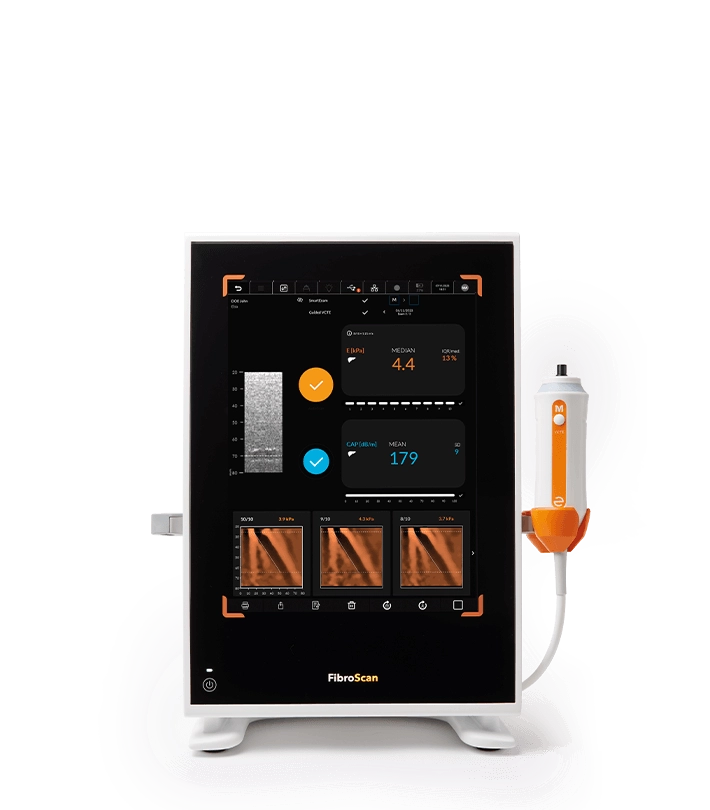
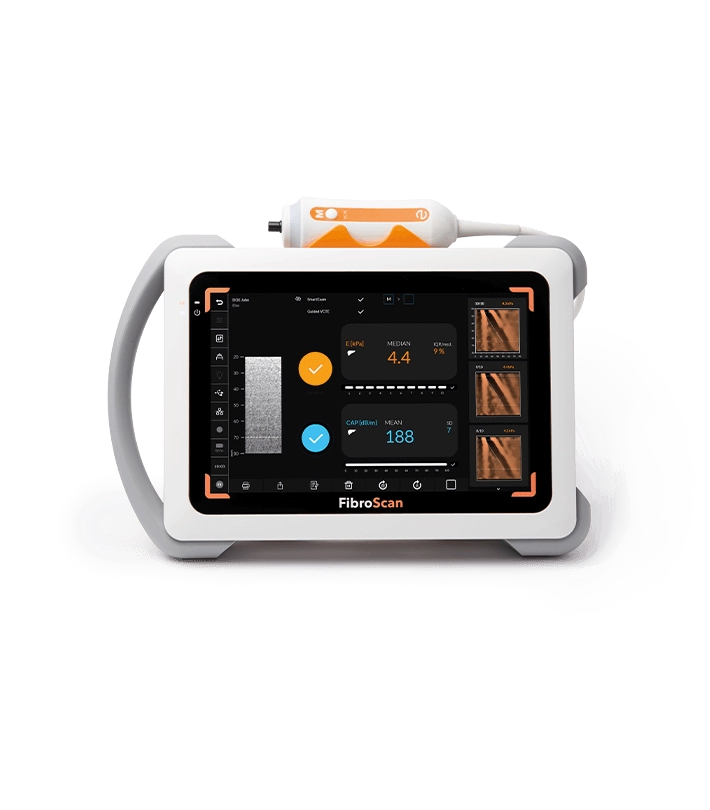
- Imaging Techniques: Non-invasive imaging modalities such as elastography, MRI, and CT scans provide detailed insights into liver architecture and function, allowing for the assessment of fibrosis and steatosis. For example, transient elastography (FibroScan) measures liver stiffness, which correlates with fibrosis severity.
- Biomarker Analysis: Blood tests that analyze specific biomarkers (e.g., ALT, AST, and FibroTest) can offer critical information regarding liver inflammation and fibrosis. These biomarkers can indicate the extent of liver injury and help in monitoring treatment response.
- Genomic Testing: Genetic profiling can identify predispositions to liver diseases, enabling personalized treatment strategies. For instance, mutations in the PNPLA3 gene have been associated with non-alcoholic fatty liver disease (NAFLD).
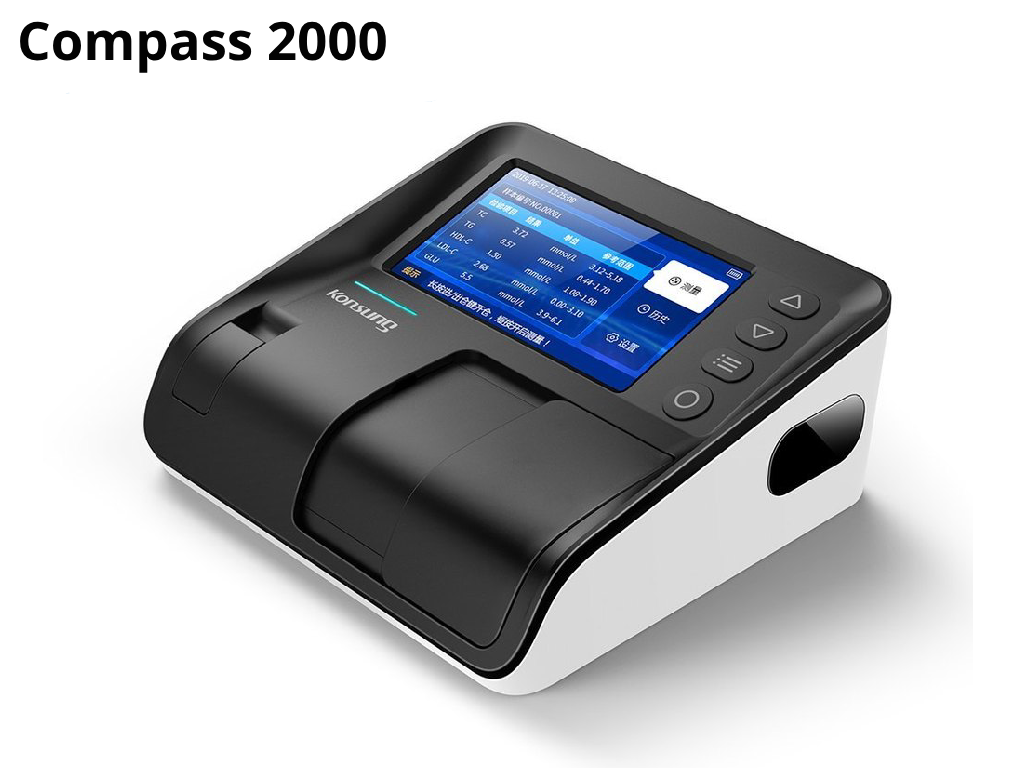
- Point-of-Care Testing (POCT): Devices that deliver rapid results at the bedside can facilitate immediate clinical decisions, particularly in emergency settings, where timely intervention is crucial.
Clinical Applications of Advanced Diagnostics
Advanced diagnostic tools have a wide array of clinical applications in liver disease management:
- Early Detection: These tools facilitate the early detection of liver diseases, which is critical for effective intervention and improved prognosis. Early identification of conditions such as hepatitis B or C can lead to timely antiviral therapy, significantly altering disease trajectories.
- Monitoring Disease Progression: Regular use of advanced diagnostics allows healthcare providers to monitor the progression of liver disease, tailoring treatment plans accordingly. For example, serial elastography assessments can help determine if a patient is progressing towards cirrhosis.
- Guiding Treatment Decisions: Advanced diagnostics can help determine the most appropriate treatment strategies, whether they involve antiviral therapies, lifestyle modifications, or surgical interventions. This is particularly relevant in cases of hepatocellular carcinoma, where imaging and biomarkers can inform surgical candidacy.
- Assessing Treatment Efficacy: Post-treatment assessments using advanced diagnostic tools can evaluate the success of interventions, ensuring that patients receive the most effective care. For example, follow-up imaging can confirm the resolution of liver lesions after treatment.
Benefits of Advanced Diagnostic Tools
The integration of advanced diagnostic tools into liver disease management offers numerous benefits:
- Improved Accuracy: Enhanced sensitivity and specificity lead to more accurate diagnoses, reducing the likelihood of misdiagnosis. This is particularly important in distinguishing between different types of liver diseases that may present with similar symptoms.
- Non-Invasiveness: Many advanced diagnostic methods are non-invasive, minimizing patient discomfort and risk associated with traditional biopsy procedures. Non-invasive tests can often be repeated as needed without significant patient burden.
- Timely Interventions: Rapid results from advanced diagnostics enable timely interventions, which are crucial for improving patient outcomes. For instance, immediate results from point-of-care testing can guide urgent treatment decisions in acute liver failure.
- Personalized Medicine: Advanced diagnostics support the shift towards personalized medicine, allowing for tailored treatment plans based on individual patient profiles. This approach can optimize therapeutic efficacy and minimize adverse effects.
Considerations and Limitations
While advanced diagnostic tools have transformed liver disease management, there are important considerations and limitations to keep in mind:
- Cost and Accessibility: Some advanced diagnostic technologies may be cost-prohibitive or limited in availability, particularly in resource-limited settings. This can create disparities in care and limit access to essential diagnostic services.
- Training and Expertise: Proper interpretation of advanced diagnostic results requires trained personnel, which may not be available in all clinical settings. Ongoing education and training for healthcare providers are necessary to ensure the effective use of these technologies.
- Potential for Over-Reliance: Clinicians must balance the use of advanced diagnostics with clinical judgment, as over-reliance on technology can lead to oversight of other important clinical factors. A comprehensive clinical assessment should always accompany diagnostic results.
Practical Considerations in Implementing Advanced Diagnostics
Implementing advanced diagnostic tools in clinical practice involves several practical considerations. First, healthcare facilities must ensure they have the necessary infrastructure to support these technologies, including appropriate imaging equipment and laboratory capabilities. Additionally, establishing protocols for the integration of advanced diagnostics into routine clinical workflows is essential. This includes training staff on the use of new technologies and ensuring that there is a clear understanding of when and how to utilize these tools effectively. Furthermore, patient education about the purpose and benefits of these diagnostic tests can enhance compliance and engagement in their healthcare journey. Finally, ongoing evaluation and feedback mechanisms should be established to assess the impact of these diagnostic tools on patient outcomes and adjust practices as needed.
Comparison with Alternative Approaches
When considering liver disease diagnostics, it is crucial to compare advanced diagnostic tools with traditional methods. Traditional approaches, such as liver biopsy, while definitive, are invasive and carry risks, including complications from the procedure itself. In contrast, advanced diagnostics like elastography and biomarker analysis offer non-invasive alternatives that can provide valuable insights into liver health without the associated risks. While imaging techniques can be more expensive initially, they may ultimately reduce healthcare costs by preventing complications associated with delayed diagnosis or mismanagement. Moreover, the ability to perform these tests in outpatient settings can improve patient access and convenience. Ultimately, the choice of diagnostic approach should be guided by clinical context, patient preferences, and the specific liver disease being assessed.
Future Directions in Liver Disease Management
The future of liver disease management is likely to be shaped by continued advancements in diagnostic technologies. Emerging trends include the integration of artificial intelligence (AI) to enhance diagnostic accuracy, the development of more sophisticated biomarkers, and the expansion of telemedicine platforms for remote monitoring and consultation. As these innovations unfold, they hold the potential to further improve patient outcomes in liver disease management. For example, AI algorithms can analyze imaging data to identify subtle changes that may indicate disease progression, potentially leading to earlier interventions. Additionally, the identification of novel biomarkers through genomic research may allow for even more precise risk stratification and targeted therapies. As these technologies become more widely adopted, they will likely redefine standard care practices in liver disease management.
Conclusion
In conclusion, advanced diagnostic tools are pivotal in the management of liver disease, offering significant improvements in patient outcomes through early detection, accurate monitoring, and personalized treatment strategies. While challenges remain, the ongoing evolution of these technologies promises to enhance the standard of care for patients suffering from liver conditions.
This article is for informational purposes only and should not be considered a substitute for professional medical advice. Always consult a healthcare professional for medical concerns and treatment options.
To explore advanced diagnostic tools for liver disease management, visit Kanlife Group’s product offerings or get in touch with our expert team for more information.
Frequently asked questions
What are advanced diagnostics in liver disease?
Advanced diagnostics in liver disease include non-invasive imaging, biomarker analysis, and genomic testing that enhance disease detection and management.
How do advanced diagnostic tools improve patient outcomes?
These tools provide accurate, timely diagnoses and personalized treatment options, leading to better management of liver diseases.
Where are advanced diagnostic tools used?
Advanced diagnostic tools are used in various clinical settings, including hospitals, outpatient clinics, and specialized liver disease centers.
What are the limitations of advanced diagnostics?
Limitations include cost, accessibility, and the need for trained personnel to interpret results accurately.