The Future of Point-of-Care Testing: Why the Compass 2000 is Essential for Rural Health Initiatives
Introduction to Point-of-Care Testing in Rural Areas
Point-of-care testing (POCT) has emerged as a critical component in rural healthcare, allowing for timely diagnoses and treatment. In areas where access to traditional laboratory facilities is limited, POCT devices like the Compass 2000 from Kanlife play a pivotal role in enhancing healthcare delivery. This article explores the significance of the Compass 2000 in facilitating rapid tests and early diagnosis in rural health initiatives.
The Importance of Rapid Tests in Rural Healthcare
In rural areas, the need for rapid diagnostic testing cannot be overstated. Delays in diagnosis can lead to complications and increased morbidity. Rapid tests enable healthcare providers to make informed decisions quickly, which is particularly vital in emergency situations. The Compass 2000 is designed to deliver results in minutes from a small sample volume, providing healthcare professionals with the information they need to initiate treatment without delay. This immediacy is especially crucial for conditions such as infectious diseases, where timely intervention can significantly alter patient outcomes and prevent further transmission within communities.
Features of the Compass 2000
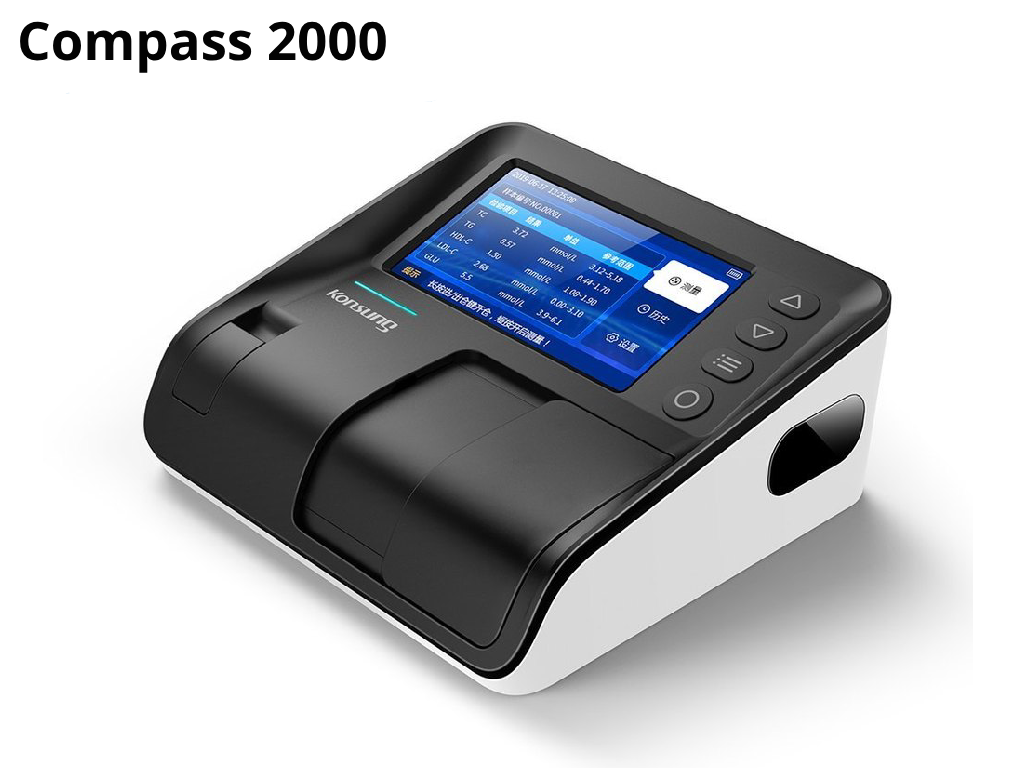
The Compass 2000 is a portable, battery-operated analyzer specifically designed for decentralized testing, making it ideal for camp-based health initiatives. Key features include:
- Dry-chemistry test cards: These test cards allow for multiple tests to be conducted using just one device, reducing the need for extensive equipment.
- Multi-parameter testing: The Compass 2000 can analyze up to 12 biochemistry parameters simultaneously, streamlining the diagnostic process and allowing for comprehensive patient assessments.
- 4.3-inch touch screen: The user-friendly interface ensures ease of use, even in challenging environments, which is crucial for healthcare workers who may not have extensive training.
- Built-in thermostatic control module: This feature ensures optimal testing conditions, enhancing accuracy and reliability of results, which is vital in fluctuating rural climates.
- Single-use Kanlife Dia card test cards: Each pack contains six cards, making it convenient for healthcare providers to maintain hygiene and minimize waste, thus supporting sustainable practices in rural health initiatives.
Camp-Based Testing: A Game Changer for Rural Health Initiatives
Camp-based testing initiatives have become increasingly popular in rural healthcare settings, providing essential services to communities that may otherwise lack access to medical care. The Compass 2000 is particularly well-suited for these initiatives due to its portability and rapid testing capabilities. By utilizing the Compass 2000, healthcare professionals can set up temporary clinics in remote locations, bringing vital diagnostic services directly to underserved populations. These temporary clinics not only help in immediate health crises but also serve as a platform for health education and preventive care, addressing broader public health needs in rural communities.
Enhancing Early Diagnosis with the Compass 2000
Early diagnosis is crucial for effective treatment outcomes. The Compass 2000 allows healthcare providers to conduct a range of tests quickly, facilitating early intervention for various conditions. For instance, in the context of infectious diseases, rapid testing can lead to timely treatment, reducing the risk of transmission and improving patient outcomes. Additionally, the ability to test multiple parameters with a single device means that healthcare professionals can assess a patient's overall health status efficiently. This capability is particularly beneficial in rural areas where patients may present with multiple health issues, allowing for comprehensive care without the need for multiple visits or excessive travel.
Considerations for Pharma Companies Targeting Rural Areas
Pharmaceutical companies looking to make an impact in rural health initiatives should consider the following when integrating the Compass 2000 into their strategies:
- Understanding Local Needs: Tailoring health initiatives to address specific health challenges faced by rural populations is essential. The Compass 2000 can be utilized to target prevalent diseases in these communities, ensuring that the tests offered are relevant to the local health landscape.
- Training and Support: Providing adequate training for healthcare professionals on the use of the Compass 2000 is crucial for maximizing its potential. Ongoing support can help ensure that the device is used effectively, and regular refresher courses can keep healthcare workers updated on best practices.
- Partnerships with Local Health Organizations: Collaborating with local health organizations can enhance the reach and effectiveness of health initiatives, ensuring that the benefits of rapid testing are realized across the community. These partnerships can also facilitate data collection for public health research and improve the overall health infrastructure.
Practical Considerations for Implementing the Compass 2000
When deploying the Compass 2000 in rural health settings, several practical considerations must be taken into account. First, the logistics of transporting the device and test materials to remote locations should be planned meticulously to avoid delays. Additionally, healthcare providers must ensure that they have access to the necessary supplies, such as test cards and batteries, to maintain uninterrupted testing capabilities. Furthermore, establishing a streamlined process for data management and result reporting can enhance the efficiency of care delivery, allowing for better tracking of patient outcomes and health trends in the community.
Maintenance and Training Considerations
Effective maintenance of the Compass 2000 is essential to ensure its longevity and reliability in the field. Regular checks on the device's functionality and calibration should be conducted to maintain accuracy. Healthcare providers should also be trained not only in how to use the device but also in troubleshooting common issues that may arise during testing. This training can empower staff, reduce downtime, and enhance the overall effectiveness of the testing program. Additionally, establishing a support network for healthcare providers can facilitate knowledge sharing and continuous improvement in the use of the Compass 2000.
Conclusion: The Future of Rural Healthcare with Compass 2000
The Compass 2000 represents a significant advancement in point-of-care testing, particularly in rural health initiatives. Its rapid testing capabilities and user-friendly design make it an indispensable tool for healthcare providers working to deliver timely and effective care. As the demand for decentralized testing continues to grow, the Compass 2000 will play a vital role in shaping the future of healthcare in rural areas, ensuring that underserved populations receive the diagnostic services they need to improve health outcomes.
Clinical and diagnostic decisions should always follow your institution's protocols and the product's instructions for use.
Explore Kanlife's range of diagnostic equipment, including the Compass 2000, and discover how we can support your rural health initiatives. Contact us today for more information!
Frequently asked questions
What is the Compass 2000?
The Compass 2000 is a portable point-of-care testing device designed for rapid diagnosis and analysis of multiple biochemistry parameters.
How does the Compass 2000 work?
The Compass 2000 utilizes dry-chemistry test cards to provide results in minutes from a small sample volume, making it ideal for decentralized testing.
Where is the Compass 2000 used?
The Compass 2000 is used primarily in rural healthcare settings, camp-based testing initiatives, and clinics where quick and accurate diagnostics are essential.
What should I look for when buying a rapid test device?
Consider factors such as portability, ease of use, number of parameters tested, speed of results, and support for training and maintenance.
How much does the Compass 2000 cost?
For pricing details on the Compass 2000, please contact Kanlife Group directly for a quote tailored to your needs.