Advancements in Anesthesia Monitoring: How New Technologies Enhance Patient Safety
Introduction to Anesthesia Monitoring
Anesthesia monitoring is a critical component of patient safety during surgical procedures. It involves continuous assessment of a patient's vital signs and physiological parameters to ensure their well-being while under anesthesia. Recent advancements in anesthesia technology have significantly improved the ability to monitor patients effectively, leading to enhanced safety and better clinical outcomes.
Background and Context
Historically, anesthesia monitoring has evolved from rudimentary methods to sophisticated technologies that provide real-time data on patient status. In the early days, monitoring was limited to basic vital signs such as heart rate and blood pressure. However, with the advent of advanced medical equipment, practitioners can now monitor a wide range of parameters, including oxygen saturation, carbon dioxide levels, and even neurological activity. The introduction of technologies such as pulse oximetry in the 1980s marked a significant milestone, allowing for non-invasive monitoring of blood oxygen levels. Today, the integration of digital technology and wireless systems has further transformed anesthesia monitoring, enabling continuous data collection and remote monitoring capabilities.
The Importance of Anesthesia Monitoring
Effective anesthesia monitoring is crucial for several reasons:
- Patient Safety: Continuous monitoring helps detect any adverse reactions or complications early, allowing for prompt intervention. For instance, sudden drops in oxygen saturation can indicate respiratory distress, prompting immediate corrective measures.
- Informed Decision-Making: Real-time data enables anesthesiologists to make informed decisions regarding drug administration and patient management. This includes adjusting anesthetic agents based on the patient's physiological response during surgery.
- Improved Outcomes: Enhanced monitoring technologies contribute to lower rates of anesthesia-related complications, thereby improving overall surgical outcomes. Studies have shown that hospitals employing advanced monitoring systems report fewer incidents of hypoxia and cardiovascular events.
How Modern Anesthesia Monitoring Works
Modern anesthesia monitoring utilizes advanced technologies that integrate various parameters into a cohesive system. Key components include:
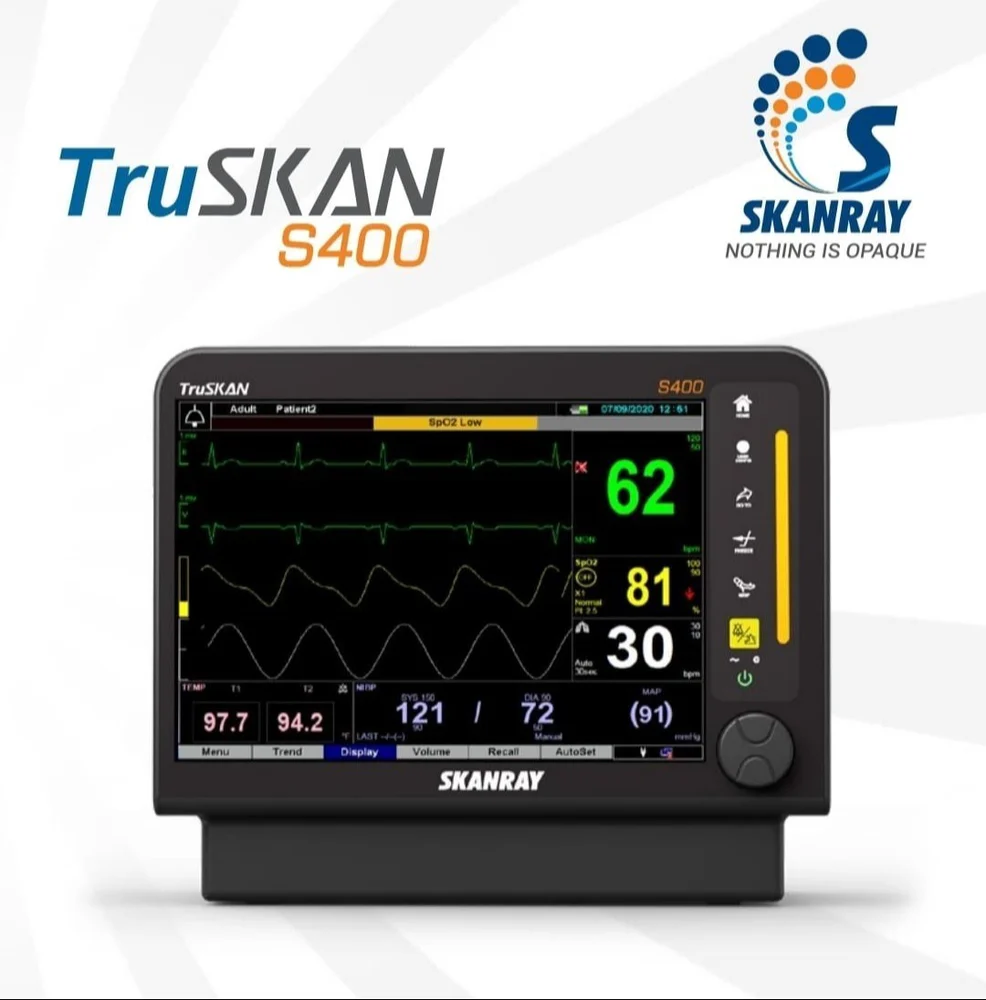
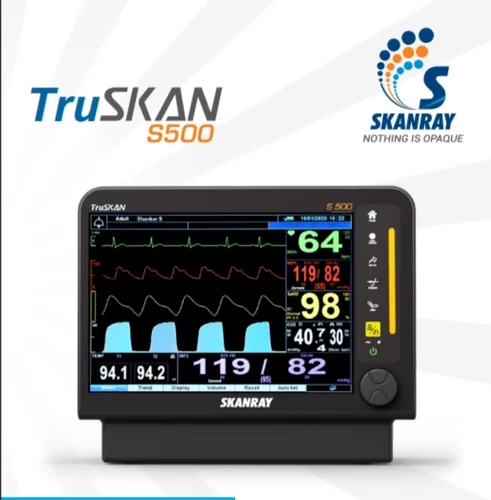
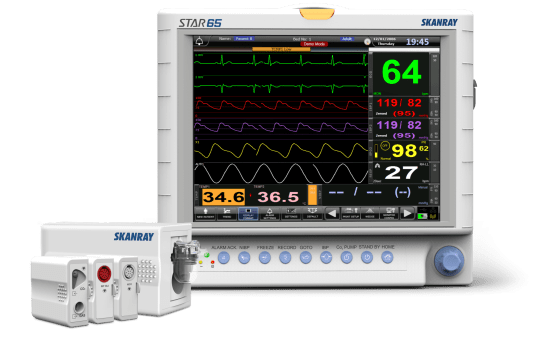
- Multi-parameter Monitors: These devices track vital signs such as heart rate, blood pressure, respiratory rate, and oxygen saturation simultaneously. They often feature color-coded displays that allow clinicians to quickly assess patient status at a glance.
- Capnometers: These instruments measure the concentration of carbon dioxide in exhaled air, providing insights into a patient's respiratory status. Capnography is particularly valuable in detecting hypoventilation or airway obstruction.
- Neuromuscular Monitors: These devices assess the degree of neuromuscular blockade, ensuring that patients receive the appropriate amount of anesthetic agents. This is especially important in surgeries requiring muscle relaxation.
- Advanced Software Algorithms: Many modern monitors feature algorithms that analyze trends and alert clinicians to potential issues before they become critical. These algorithms can predict changes in patient status based on historical data, allowing for proactive management.
Clinical Applications of Advanced Anesthesia Monitoring
Advancements in anesthesia monitoring technology have broad clinical applications, including:
- General Surgery: In various surgical settings, enhanced monitoring ensures that patients remain stable throughout the procedure. For example, during major surgeries, continuous cardiac monitoring can help detect arrhythmias early.
- Pediatric Anesthesia: Special considerations in pediatric cases require precise monitoring to account for the unique physiological characteristics of children. Pediatric monitors often include age-appropriate algorithms and settings to ensure accurate assessments.
- High-risk Patients: For patients with comorbidities, advanced monitoring technologies provide critical data that can influence anesthesia management strategies. For instance, patients with cardiovascular diseases may require more intensive monitoring of hemodynamic parameters.
Benefits of New Anesthesia Monitoring Technologies
The latest advancements in anesthesia monitoring offer numerous benefits, including:
- Increased Accuracy: Modern devices provide more precise measurements, reducing the likelihood of human error. This accuracy is vital in ensuring that patient responses are correctly interpreted and acted upon.
- Enhanced Connectivity: Many systems allow for integration with electronic health records (EHR), facilitating seamless data sharing among the healthcare team. This connectivity enhances communication and collaboration in patient care.
- Real-time Alerts: Automatic alerts for abnormal readings enable quicker responses to potential complications, enhancing patient safety. For example, alarms for low blood pressure can prompt immediate assessment and intervention.
- Improved User Interface: Intuitive designs enhance usability, allowing clinicians to focus on patient care rather than navigating complex systems. User-friendly interfaces can significantly reduce the learning curve for new staff.
Considerations and Limitations
While advancements in anesthesia monitoring have significantly improved patient safety, there are considerations to keep in mind:
- Cost: Advanced monitoring technologies can be expensive, which may pose a challenge for some healthcare facilities. Budget constraints can limit access to the latest equipment, particularly in smaller or underfunded institutions.
- Training Requirements: Staff must be adequately trained to use these technologies effectively, ensuring that the benefits are fully realized. Continuous education and simulation training can help maintain proficiency in using advanced monitoring systems.
- Dependence on Technology: Over-reliance on monitoring equipment may lead to complacency among clinicians, underscoring the importance of maintaining clinical skills and judgment. It's essential to balance technology use with traditional assessment techniques.
Practical and Procedural Considerations
When implementing advanced anesthesia monitoring technologies, several practical considerations must be addressed to maximize their effectiveness and ensure patient safety:
- Equipment Setup: Proper setup of monitoring equipment is crucial. This includes calibrating devices, ensuring correct sensor placement, and verifying connectivity to central monitoring systems. A systematic approach to setup can prevent technical issues during procedures.
- Regular Maintenance: Routine maintenance and calibration of monitoring devices are essential to ensure accuracy and reliability. Facilities should establish protocols for regular checks and servicing of equipment to prevent malfunctions.
- Integration into Workflow: Advanced monitoring systems should be integrated seamlessly into clinical workflows. This involves training staff on how to interpret data effectively and incorporate it into their decision-making processes. Collaboration among anesthesiologists, surgeons, and nursing staff is vital for optimizing patient care.
Comparison with Alternative Approaches
While advanced anesthesia monitoring technologies offer significant advantages, it is important to compare them with alternative approaches to understand their unique benefits and limitations:
- Traditional Monitoring: Older monitoring methods often relied on intermittent checks of vital signs, which could lead to delayed recognition of complications. In contrast, continuous monitoring provides real-time data, enhancing the ability to respond promptly to changes in patient status.
- Invasive vs. Non-Invasive Monitoring: Invasive monitoring techniques, such as arterial blood pressure monitoring, provide highly accurate data but come with risks of infection and complications. Non-invasive methods, while safer, may not always offer the same level of precision. The choice between these methods often depends on the patient's condition and the type of surgery being performed.
- Telemedicine Monitoring: Remote monitoring technologies have gained traction, especially during the COVID-19 pandemic. While these systems can enhance patient safety by allowing for off-site monitoring, they may lack the immediacy and responsiveness of in-room monitoring systems. Each approach has its place in modern anesthetic practice, and the optimal choice often depends on the clinical context.
Conclusion
The advancements in anesthesia monitoring technologies are transforming the landscape of surgical care, significantly enhancing patient safety and outcomes. As these technologies continue to evolve, they will play an increasingly vital role in the delivery of anesthesia care. By integrating advanced monitoring solutions, healthcare providers can ensure a safer environment for patients undergoing surgical procedures.
This article is for educational purposes only and is not a substitute for professional medical advice. Always consult a qualified healthcare provider for medical concerns.
To learn more about the latest anesthesia monitoring equipment and how it can enhance patient safety in your practice, explore Kanlife's offerings or get in touch with our expert team today.
Frequently asked questions
What is anesthesia monitoring?
Anesthesia monitoring involves continuously assessing a patient's vital signs and physiological parameters during surgical procedures to ensure safety.
How do modern anesthesia monitors work?
Modern anesthesia monitors track multiple vital signs simultaneously and utilize advanced algorithms to analyze data and alert clinicians to potential issues.
What are the benefits of advanced anesthesia monitoring technologies?
Benefits include increased accuracy, real-time alerts, enhanced connectivity with EHR systems, and improved user interfaces for better usability.
Are there limitations to new anesthesia monitoring technologies?
Yes, considerations include cost, the need for proper training, and the potential for over-reliance on technology.
What practical considerations are there for implementing anesthesia monitoring?
Key considerations include proper equipment setup, regular maintenance, and integration into clinical workflows to enhance patient safety.