Innovations in Pediatric Anesthesia: Ensuring Safety and Efficacy
Introduction to Pediatric Anesthesia
Pediatric anesthesia is a specialized area of anesthesia that requires a unique approach to ensure the safety and efficacy of anesthetic techniques for children. Given the physiological differences between children and adults, anesthesiologists must be well-versed in the latest innovations and technologies that improve patient outcomes in this vulnerable population. This article explores recent advancements in pediatric anesthesia, emphasizing safety protocols and efficacy in clinical practice.
The Importance of Safety in Pediatric Anesthesia
Safety is paramount in pediatric anesthesia, as children are more susceptible to the adverse effects of anesthetic agents. Innovations aimed at enhancing safety include:
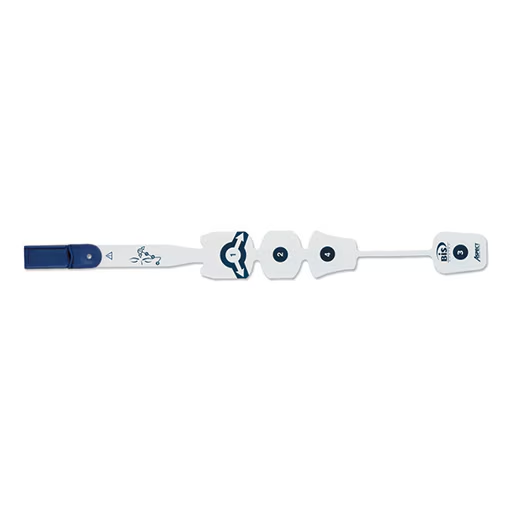
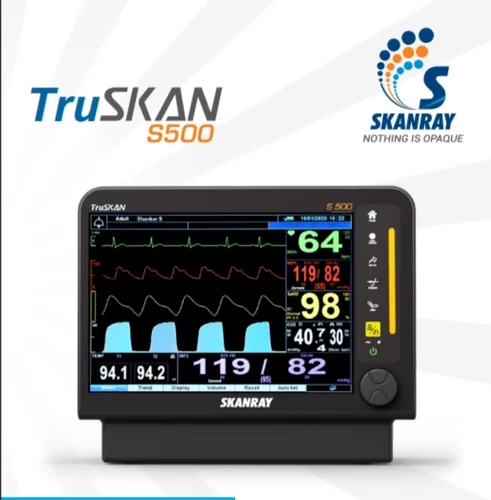
- Advanced Monitoring Systems: New monitoring technologies, such as non-invasive cerebral oximetry and enhanced capnography, provide real-time data on a child's physiological status during anesthesia. These systems help anesthesiologists make timely decisions to prevent complications. Continuous monitoring of vital signs, including heart rate, blood pressure, and oxygen saturation, is critical in detecting any deviations from baseline parameters.
- Tailored Anesthetic Protocols: Recent research has led to the development of age-appropriate anesthetic protocols that consider the unique pharmacokinetics and pharmacodynamics in children. This ensures that dosages are optimized for safety and efficacy. For instance, weight-based dosing calculations are essential, as children metabolize drugs differently than adults, necessitating a careful approach to ensure adequate sedation without oversedation.
- Simulation Training: The use of simulation-based training for pediatric anesthesiologists has improved preparedness for rare but critical situations, enhancing overall safety in the operating room. Simulations can mimic various emergency scenarios, allowing practitioners to practice their responses in a controlled environment, which can be especially beneficial in high-stress pediatric settings.
Enhancing Efficacy Through Innovative Techniques
In addition to safety, the efficacy of pediatric anesthesia techniques is crucial for successful surgical outcomes. Innovations contributing to efficacy include:
- Regional Anesthesia Techniques: The use of regional anesthesia, such as nerve blocks, has gained traction in pediatric settings. These techniques can provide effective pain management while minimizing the need for systemic anesthetics, reducing potential side effects. For example, a caudal block can be particularly effective for lower abdominal surgeries, allowing for postoperative pain relief without the risks associated with general anesthesia.
- Intravenous and Inhalational Agents: The introduction of newer intravenous anesthetics and inhalational agents that are specifically formulated for children has allowed for quicker onset and recovery times, improving the overall anesthetic experience. Agents like sevoflurane are favored in pediatrics due to their pleasant odor and rapid elimination, which can help reduce preoperative anxiety in children.
- Patient-Specific Anesthesia Plans: Utilizing genetic testing and pharmacogenomics, anesthesiologists can create personalized anesthesia plans that predict individual responses to anesthetic agents, enhancing efficacy and minimizing adverse reactions. This approach allows for a more tailored anesthetic experience, particularly in children with known sensitivities or metabolic disorders.
Innovative Medical Equipment in Pediatric Anesthesia
The advancement of medical equipment plays a vital role in enhancing both safety and efficacy in pediatric anesthesia. Key innovations include:
- Smart Anesthesia Machines: Modern anesthesia machines equipped with artificial intelligence can adjust anesthetic delivery based on real-time monitoring data, ensuring optimal dosing for pediatric patients. These machines can analyze trends in vital signs and automatically modify the anesthetic concentration, which is particularly useful in dynamic surgical environments.
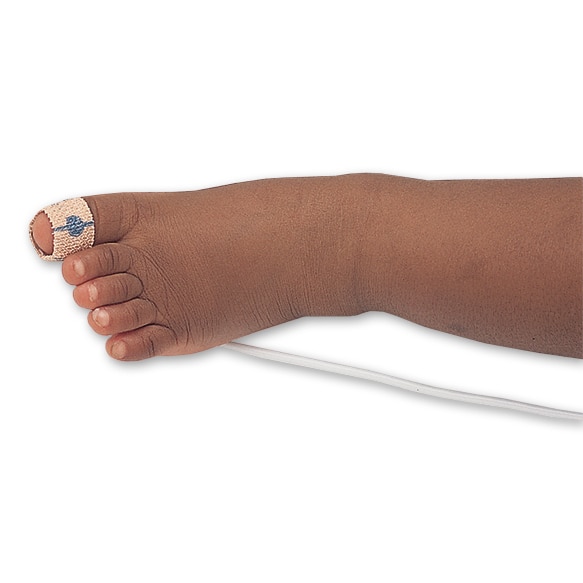
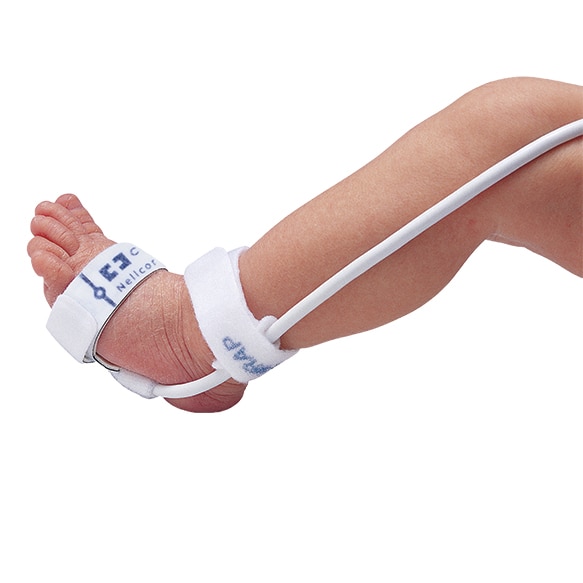
- Non-Invasive Monitoring Devices: Devices that monitor vital signs without the need for invasive procedures are particularly beneficial in pediatric settings, reducing anxiety and discomfort for young patients. Technologies such as pulse oximetry and non-invasive blood pressure monitoring can provide accurate readings while minimizing distress.
- Specialized Laryngoscopes: Innovations in laryngoscope design, such as video laryngoscopy, improve visualization of the airway in pediatric patients, facilitating safer intubation procedures. These devices allow for better maneuverability and visualization, which is crucial in smaller airways.
Challenges and Considerations in Pediatric Anesthesia
Despite the advancements in pediatric anesthesia, several challenges remain:
- Variability in Responses: Children exhibit a wide range of responses to anesthetics, necessitating careful monitoring and adjustment during procedures. Factors such as age, weight, and comorbidities can influence how a child metabolizes anesthetic agents, requiring anesthesiologists to be vigilant and adaptable throughout the procedure.
- Parental Anxiety: The emotional state of parents can impact the child's experience. Anesthesiologists must communicate effectively with families to alleviate concerns. Providing clear information about the procedure and addressing parental fears can create a more supportive environment for the child.
- Resource Availability: Not all healthcare facilities have access to the latest technologies and training, which can lead to disparities in the quality of pediatric anesthesia care. Smaller or rural hospitals may struggle to keep up with advancements, highlighting the need for ongoing education and resource allocation.
Practical Considerations in Pediatric Anesthesia
Implementing innovations in pediatric anesthesia requires careful consideration of practical aspects to ensure successful outcomes. One crucial factor is the need for interdisciplinary collaboration among anesthesiologists, surgeons, and nursing staff. Effective communication and teamwork are essential, particularly in complex cases where multiple specialties are involved. Additionally, the physical environment where pediatric anesthesia is administered must be tailored to the needs of children. This includes creating a child-friendly atmosphere in the preoperative area, which can help reduce anxiety and improve cooperation during the induction of anesthesia.
Furthermore, training and education for staff are vital. Continuous professional development ensures that anesthesiologists and supporting staff remain updated on the latest techniques and technologies. Simulation training, as mentioned previously, should be integrated into regular training schedules to maintain proficiency in handling pediatric cases. Lastly, the importance of post-anesthesia care cannot be overstated; ensuring that recovery protocols are designed with pediatric patients in mind is essential for minimizing complications and enhancing overall patient satisfaction.
Comparison with Alternative Approaches
While pediatric anesthesia has seen numerous innovations, it is important to consider alternative approaches that may be employed in specific situations. For example, sedation techniques using oral medications can be effective for minor procedures, reducing the need for general anesthesia. Techniques such as nitrous oxide sedation can provide anxiolysis and analgesia while allowing for quicker recovery times. However, these approaches may not be suitable for all patients or procedures, especially those requiring deep anesthesia.
Another consideration is the use of awake regional anesthesia in certain scenarios. This approach allows for patient participation during the procedure, which can be beneficial for some children, particularly in outpatient settings. However, it requires careful patient selection and preparation to ensure that the child is comfortable and understands the process. Ultimately, the choice between traditional general anesthesia and alternative approaches should be guided by the specific clinical context, the child's medical history, and the preferences of the family.
The Future of Pediatric Anesthesia
Looking ahead, the field of pediatric anesthesia is poised for continued innovation. Research into the long-term effects of anesthesia on developing brains is ongoing, and advancements in technology will likely lead to even more refined techniques and equipment. Collaborative efforts among anesthesiologists, surgeons, and researchers will be essential in driving these innovations forward. The integration of artificial intelligence and machine learning into anesthesia practice promises to enhance decision-making processes, potentially leading to improved patient outcomes and safety.
Conclusion
Innovations in pediatric anesthesia are critical for ensuring the safety and efficacy of anesthetic practices in children. By embracing new technologies, refining techniques, and prioritizing patient-centered care, healthcare professionals can significantly enhance outcomes for pediatric patients undergoing surgical procedures. As the field continues to evolve, ongoing education and adaptation will be necessary to meet the unique needs of this population.
This article is for educational purposes only and is not a substitute for professional medical advice. Always consult a medical professional for specific medical concerns.
Explore Kanlife's range of medical equipment for pediatric anesthesia or get in touch with our expert team to learn more about how we can support your clinical needs.
Frequently asked questions
What is pediatric anesthesia?
Pediatric anesthesia is a specialized field of anesthesia that focuses on providing safe and effective anesthesia care for children undergoing surgical procedures.
How does safety in pediatric anesthesia improve with new technologies?
New technologies such as advanced monitoring systems and tailored anesthetic protocols enhance safety by providing real-time data and optimizing dosages for children.
What are the benefits of regional anesthesia in children?
Regional anesthesia techniques, like nerve blocks, provide effective pain management while minimizing systemic anesthetic use, leading to fewer side effects.
What innovations are available in medical equipment for pediatric anesthesia?
Innovations include smart anesthesia machines, non-invasive monitoring devices, and specialized laryngoscopes that improve safety and efficacy during procedures.
What challenges do anesthesiologists face in pediatric anesthesia?
Challenges include variability in drug responses among children, parental anxiety, and access to advanced resources and training.