Understanding the Role of Anesthesia in Pediatric Surgery: Best Practices and Equipment
Introduction to Pediatric Anesthesia
Pediatric anesthesia is a specialized field focused on the safe administration of anesthetics to children undergoing surgical procedures. Given the unique physiological and psychological differences between children and adults, pediatric anesthesia requires tailored approaches to ensure patient safety and comfort. This article explores the best practices in pediatric anesthesia and discusses the essential equipment used in surgical settings, particularly in NICU environments.
Importance of Pediatric Anesthesia
Children have distinct anatomical and physiological characteristics that influence their response to anesthetics. Factors such as body weight, organ maturity, and developmental stage necessitate careful consideration when planning anesthesia for pediatric patients. The primary goals of pediatric anesthesia include:
- Ensuring patient safety and comfort
- Providing adequate pain relief
- Facilitating quick recovery to minimize the impact of surgery
- Addressing the emotional needs of young patients and their families
Additionally, the use of age-appropriate communication strategies can help alleviate anxiety in pediatric patients, making the entire surgical experience less stressful for both children and their guardians. Understanding the developmental stages of children can further guide healthcare providers in creating a supportive environment.
Best Practices in Pediatric Anesthesia
Implementing best practices in pediatric anesthesia is vital to achieving optimal outcomes. Key strategies include:
Preoperative Assessment
A comprehensive preoperative assessment is crucial for identifying potential risks and planning anesthesia accordingly. This assessment typically involves:
- Reviewing the child’s medical history and current medications
- Conducting a physical examination to assess airway, cardiovascular, and respiratory function
- Discussing anesthesia options with parents or guardians to alleviate concerns
Moreover, preoperative assessments should also include evaluating the child's psychological readiness for surgery. This may involve using child-friendly explanations and visual aids to help young patients understand what to expect, thereby reducing anxiety and improving cooperation during the procedure.
Tailored Anesthetic Techniques
Pediatric anesthetic techniques should be individualized based on the child’s age, weight, and type of surgery. Common techniques include:
- General Anesthesia: Often used for major surgeries, general anesthesia involves the use of inhaled or intravenous agents to induce unconsciousness.
- Regional Anesthesia: Techniques such as nerve blocks can provide effective pain management while minimizing systemic effects.
- Monitored Anesthesia Care (MAC): This approach combines sedation with local anesthesia for less invasive procedures.
When selecting anesthetic techniques, it is essential to consider the specific surgical procedure and the individual child's health status. For instance, certain surgeries may benefit from a combination of regional and general anesthesia to optimize pain control and minimize recovery time.
Monitoring and Safety Protocols
Continuous monitoring is essential during pediatric anesthesia to ensure patient safety. Key monitoring parameters include:
- Heart rate and rhythm
- Blood pressure
- Oxygen saturation levels
- End-tidal carbon dioxide concentrations
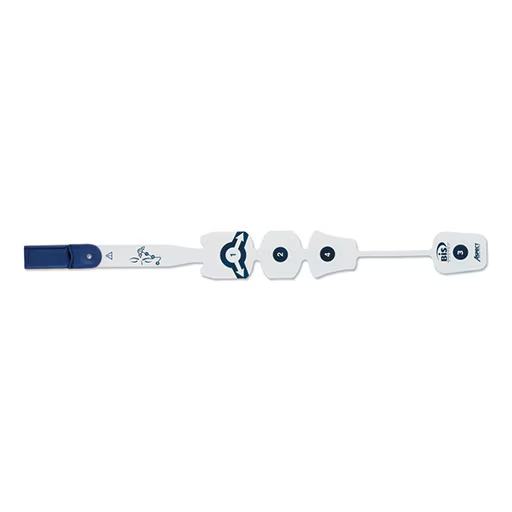
Advanced monitoring technologies, such as BIS (Bispectral Index) monitoring, can help assess the depth of anesthesia and improve safety outcomes. Additionally, employing multiple monitoring modalities provides a comprehensive view of the patient's physiological status, allowing for timely interventions if needed.
Essential Equipment for Pediatric Anesthesia
The choice of equipment significantly impacts the effectiveness and safety of pediatric anesthesia. Essential equipment includes:
Anesthesia Machines
Anesthesia machines designed for pediatric patients often feature smaller circuits and specialized delivery systems to accommodate the unique needs of children. These machines allow for precise control of inhaled anesthetic concentrations and ventilation parameters, ensuring that the specific requirements of pediatric patients are met.
Ventilators
Pediatric ventilators are tailored to the smaller lung capacities of children, providing volume and pressure control to maintain adequate ventilation during surgery. These devices often include modes specifically designed for neonates and infants, allowing for more precise management of respiratory function.
Monitoring Devices
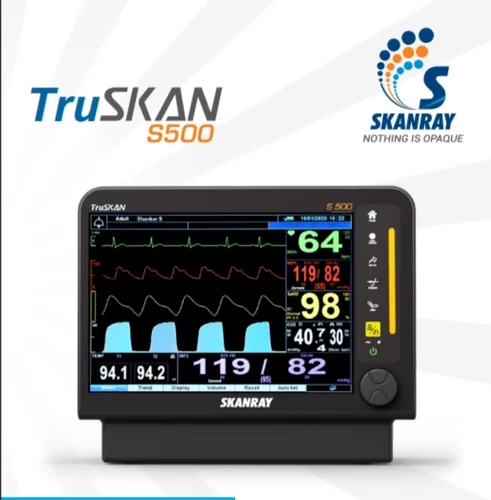
Advanced monitoring devices are critical in pediatric anesthesia to track vital signs and ensure patient safety. These devices may include:
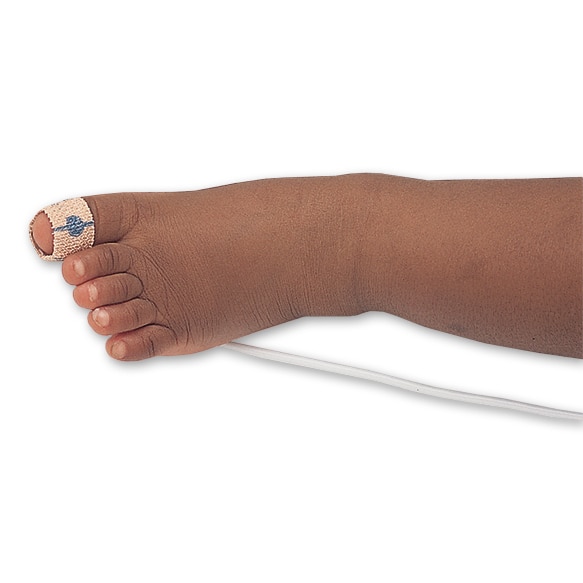
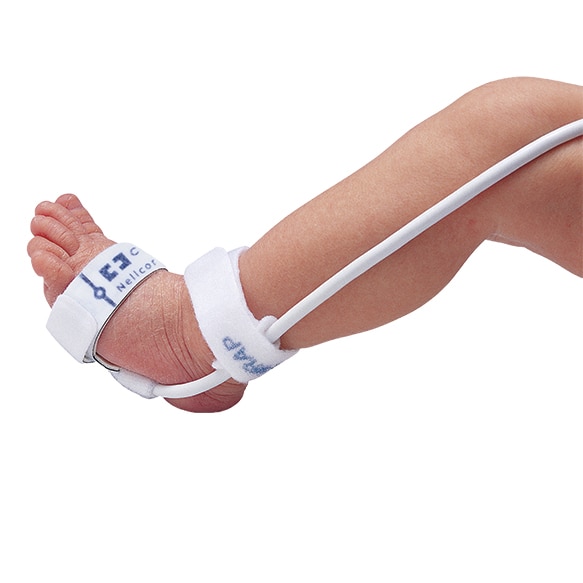
- Pulse oximeters
- Capnometers for CO2 monitoring
- ECG monitors
In addition to standard monitoring devices, newer technologies such as non-invasive blood pressure monitors and advanced capnometers can enhance the monitoring capabilities during pediatric procedures, thereby improving overall safety and outcomes.
Intravenous Access Equipment
Establishing intravenous access in pediatric patients can be challenging due to smaller veins. Equipment such as pediatric IV catheters and vascular access devices are essential for delivering anesthetics and fluids safely. Utilizing ultrasound guidance for IV placement can significantly increase success rates and reduce patient discomfort during the process.
Practical Considerations in Pediatric Anesthesia
In addition to the technical aspects of pediatric anesthesia, practical considerations are crucial for successful outcomes. Effective communication with the child's family is paramount, as it helps to build trust and alleviate anxiety. Healthcare providers should take the time to explain the anesthesia process, potential risks, and postoperative care to both the child and their guardians.
Furthermore, creating a child-friendly environment in the operating room can help ease the child's fears. This may involve using colorful decorations, allowing the child to bring a comfort item, or even having a child life specialist present to support the child emotionally. These strategies not only help reduce anxiety but can also improve cooperation during the procedure.
Considerations and Limitations in Pediatric Anesthesia
While pediatric anesthesia has advanced significantly, certain considerations and limitations remain:
- Age and Weight Variability: Anesthesia dosing must be carefully calculated based on weight and age to avoid under- or overdosing.
- Emotional Factors: Children may experience anxiety about surgery, necessitating effective communication and support from healthcare providers.
- Postoperative Care: Monitoring children post-surgery is critical, as they may experience different recovery patterns compared to adults.
- Potential for Anesthesia-Related Complications: Although rare, complications such as respiratory depression or allergic reactions can occur, necessitating a thorough review of the child's medical history and allergies.
Recognizing these limitations and implementing strategies to mitigate risks is essential for optimizing patient safety and outcomes in pediatric anesthesia.
Conclusion
Pediatric anesthesia plays a crucial role in ensuring safe and effective surgical interventions for children. By adhering to best practices and utilizing appropriate equipment, healthcare providers can enhance patient outcomes and minimize risks. Continuous advancements in pediatric anesthesia techniques and technologies further support the goal of delivering high-quality care in NICU and surgical settings.
This article is for informational purposes only and should not be considered a substitute for professional medical advice. Always consult a qualified healthcare provider for any medical concerns.
To explore Kanlife's range of anesthesia equipment and learn more about best practices in pediatric surgery, please visit our website or get in touch with our expert team.
Frequently asked questions
What is pediatric anesthesia?
Pediatric anesthesia is a specialized field focused on administering anesthetics to children during surgical procedures, ensuring their safety and comfort.
How does pediatric anesthesia work?
Pediatric anesthesia involves tailored techniques and monitoring to manage pain and unconsciousness in children, considering their unique physiological characteristics.
What equipment is used in pediatric anesthesia?
Essential equipment includes anesthesia machines, pediatric ventilators, monitoring devices, and intravenous access equipment specifically designed for children's needs.
Where is pediatric anesthesia commonly used?
Pediatric anesthesia is commonly used in surgical settings, including operating rooms and NICUs, for various procedures involving infants and children.
What are the best practices for pediatric anesthesia?
Best practices include comprehensive preoperative assessments, individualized anesthetic techniques, continuous monitoring, and effective communication with patients and families.