The Role of Non-Invasive Liver Fibrosis Assessment in Hepatology
Understanding Liver Fibrosis
Liver fibrosis is a progressive condition resulting from chronic liver injury, leading to the excessive accumulation of extracellular matrix proteins. This scarring of the liver can eventually progress to cirrhosis, liver failure, or hepatocellular carcinoma if left untreated. The early detection of liver fibrosis is crucial for effective management and treatment of underlying liver diseases, including hepatitis, alcohol-related liver disease, and non-alcoholic fatty liver disease (NAFLD). In fact, the global prevalence of liver fibrosis is increasing, necessitating the need for effective screening and monitoring strategies.
The Importance of Non-Invasive Assessment
Traditionally, liver biopsy was the gold standard for assessing liver fibrosis. However, this invasive procedure carries risks such as bleeding, infection, and discomfort for the patient. Consequently, non-invasive methods have gained prominence in hepatology, providing safer and more patient-friendly alternatives for fibrosis assessment. Non-invasive assessments not only reduce patient discomfort but also allow for repeated measurements over time, which is essential for monitoring disease progression and treatment response.
How Non-Invasive Assessments Work
Non-invasive liver fibrosis assessments typically utilize imaging techniques or blood tests to evaluate liver stiffness or fibrosis levels. Among the most widely used methods are:
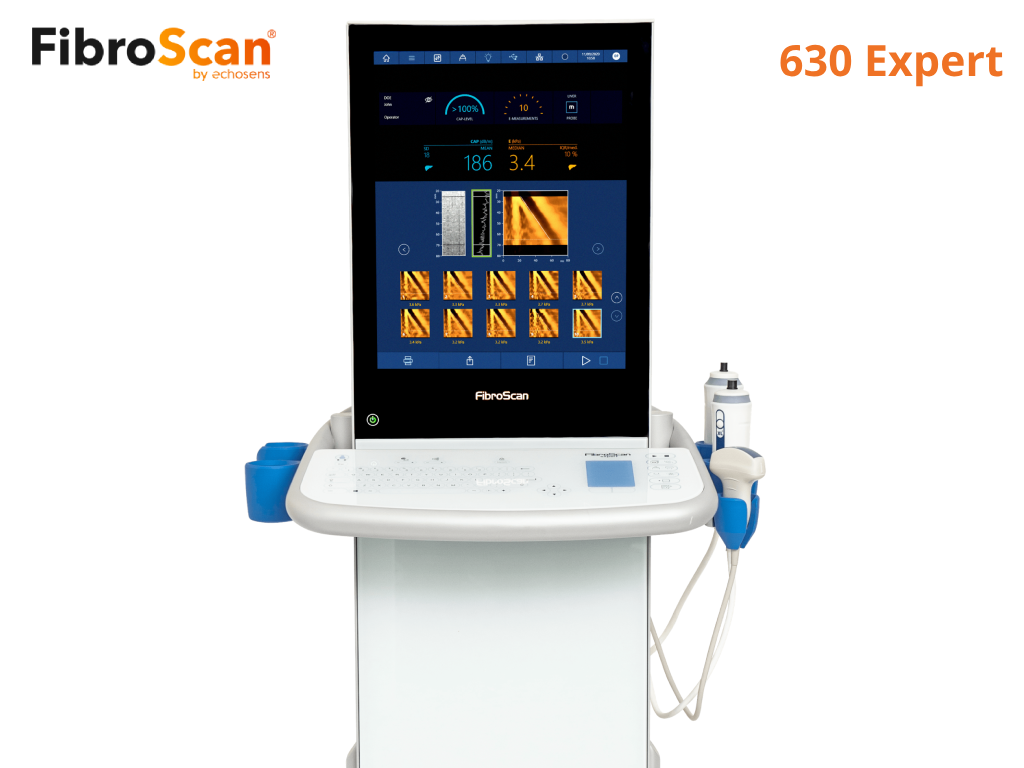
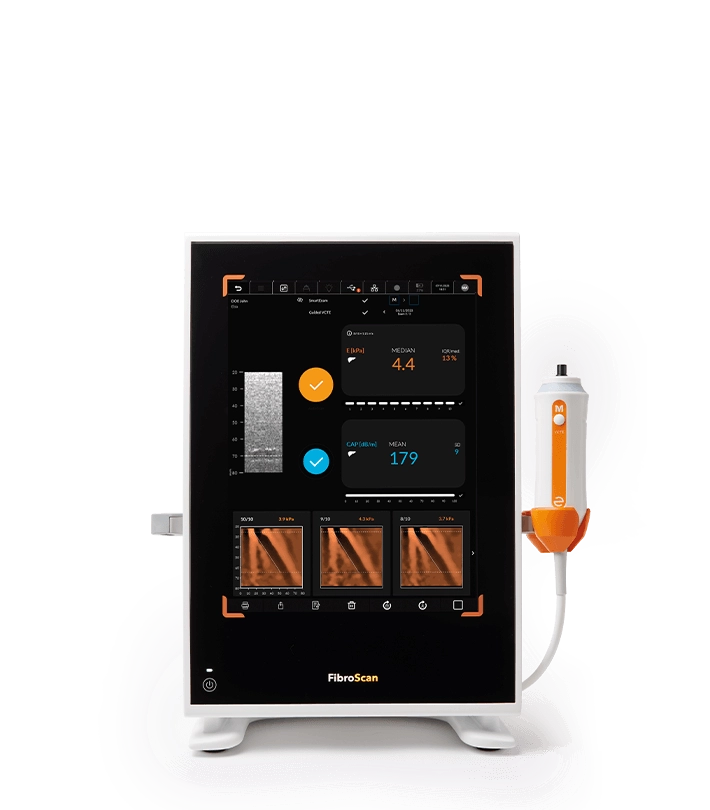
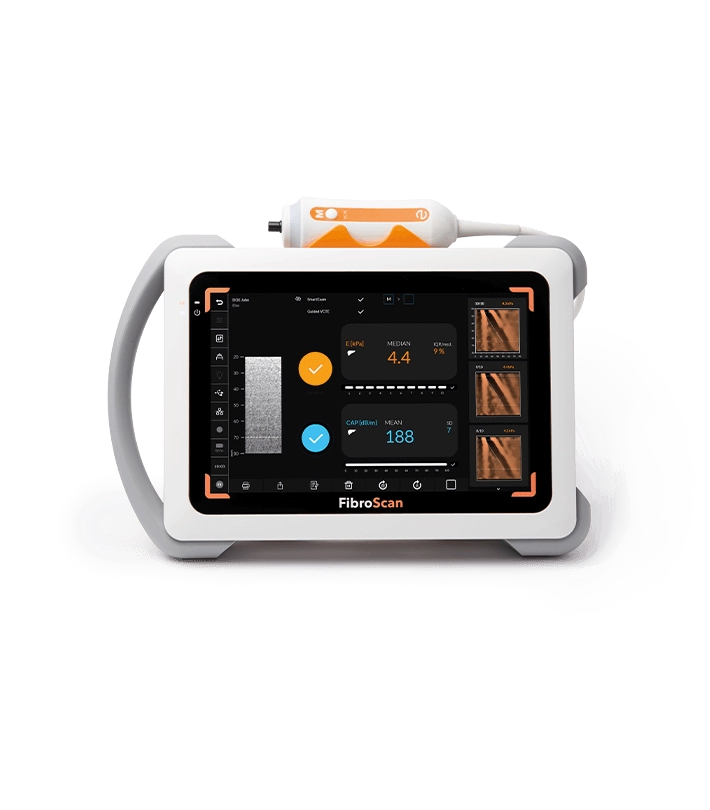
- Transient Elastography (TE): This technique, exemplified by the Echosens FibroScan device, measures liver stiffness by applying a low-frequency vibration and assessing the velocity of the resulting wave. Higher stiffness values indicate greater fibrosis. TE is quick, taking only a few minutes, and can be performed in an outpatient setting.
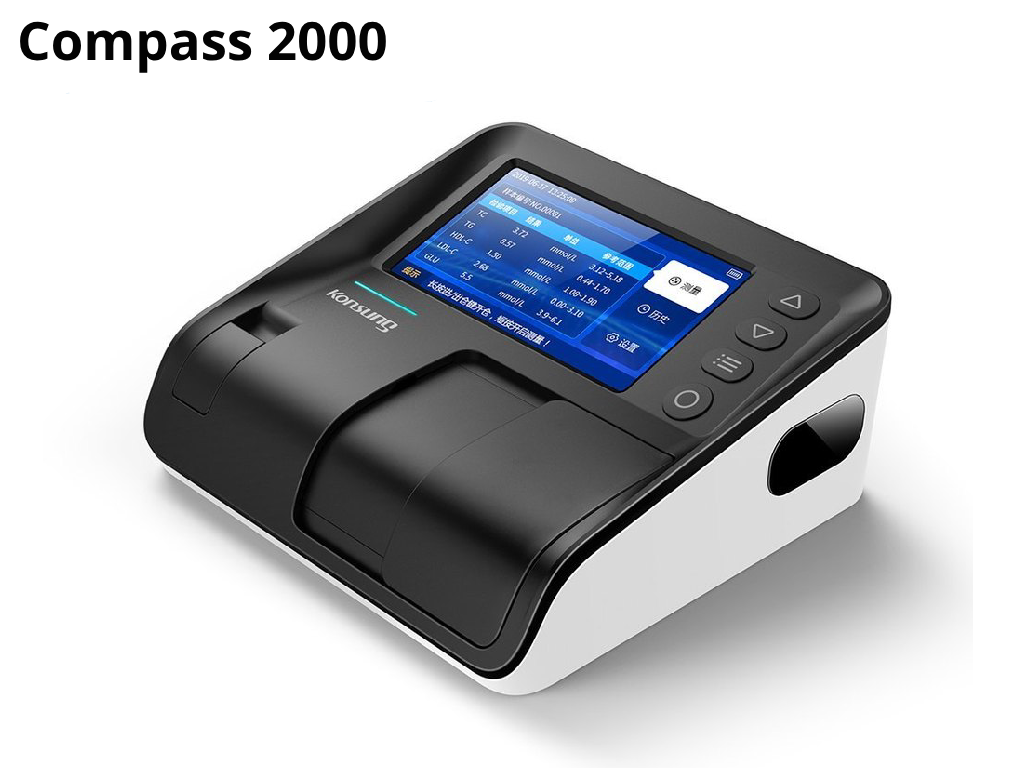
- Serum Biomarkers: Various blood tests, such as the Fibrosis-4 (FIB-4) index and the AST to Platelet Ratio Index (APRI), estimate fibrosis based on specific serum markers and patient demographics. These biomarkers can provide valuable insights into the liver's condition without the need for invasive procedures.
Clinical Applications of Non-Invasive Assessments
Non-invasive liver fibrosis assessments are utilized in various clinical scenarios:
- Screening and Diagnosis: These assessments help in the early identification of patients at risk for liver disease, allowing for timely intervention. For example, patients with elevated liver enzymes or risk factors such as obesity and diabetes can benefit from non-invasive screening.
- Monitoring Disease Progression: Regular non-invasive assessments can track changes in liver stiffness, helping to evaluate the effectiveness of treatment strategies or lifestyle modifications. This is particularly important in managing chronic liver diseases where timely adjustments to therapy may be necessary.
- Guiding Treatment Decisions: Non-invasive assessments can inform decisions regarding the need for antiviral therapy in patients with chronic hepatitis or lifestyle changes in NAFLD patients. By assessing the degree of fibrosis, clinicians can tailor treatment plans that best suit the patient's needs.
Benefits of Non-Invasive Liver Fibrosis Assessment
The advantages of non-invasive liver fibrosis assessment methods include:
- Safety: Non-invasive methods minimize the risk of complications associated with liver biopsies. This is especially advantageous for patients with coagulopathy or those on anticoagulant therapy.
- Patient Comfort: Patients experience less discomfort and anxiety with non-invasive procedures, which can improve compliance and follow-up rates.
- Rapid Results: Non-invasive assessments typically provide immediate results, facilitating quicker clinical decision-making. This speed can be pivotal in acute cases where timely intervention is crucial.
- Cost-Effectiveness: These methods can reduce healthcare costs associated with hospitalization and complications from invasive procedures. By avoiding unnecessary biopsies, healthcare systems can allocate resources more efficiently.
Considerations and Limitations
While non-invasive liver fibrosis assessments offer numerous benefits, there are limitations to consider:
- Accuracy Variability: Non-invasive techniques may have variable accuracy based on factors such as obesity, inflammation, or comorbid conditions. For instance, patients with significant obesity may have altered wave propagation, affecting the reliability of TE results.
- Interpretation Challenges: The interpretation of results can be complex, requiring careful consideration of the clinical context and additional testing. Clinicians must integrate non-invasive results with other clinical findings to make informed decisions.
- Not a Complete Replacement: Non-invasive assessments are not a substitute for liver biopsy in all cases, particularly when definitive histological diagnosis is required. In certain scenarios, such as suspected liver malignancies, a biopsy may still be necessary.
Practical and Procedural Considerations
Implementing non-invasive liver fibrosis assessments in clinical practice requires careful consideration of several factors. First, appropriate training for healthcare professionals is essential to ensure accurate use and interpretation of the results. Devices like the Echosens FibroScan require specific operational knowledge, and staff should be proficient in patient positioning and device calibration to obtain reliable measurements. Additionally, understanding the patient population is crucial; for instance, certain demographics may require tailored approaches to screening and follow-up.
Moreover, the integration of non-invasive assessments into existing workflows should be seamless. This may involve coordinating with laboratory services for biomarker testing or ensuring that imaging modalities are readily available. Lastly, patient education is vital; informing patients about the purpose, process, and potential outcomes of non-invasive assessments can enhance their engagement and adherence to follow-up evaluations.
Comparison with Alternative Approaches
When comparing non-invasive liver fibrosis assessments with traditional methods, several key differences emerge. Liver biopsy, while considered the gold standard, is invasive and associated with risks such as bleeding and infection. In contrast, non-invasive assessments like FibroScan provide a safer alternative with minimal discomfort. While biopsy results can offer detailed histological information, non-invasive methods can quickly assess liver stiffness and fibrosis, making them ideal for routine screening and monitoring.
Additionally, imaging techniques such as magnetic resonance elastography (MRE) are emerging as alternatives to FibroScan. MRE provides high-resolution images of liver stiffness but may be less accessible due to higher costs and the need for specialized equipment. Ultimately, the choice of assessment method should be guided by clinical context, patient preferences, and available resources.
Conclusion
Non-invasive liver fibrosis assessment plays a vital role in modern hepatology, offering safe, effective, and patient-friendly alternatives to traditional biopsy methods. Techniques such as the Echosens FibroScan have revolutionized the way liver fibrosis is diagnosed and monitored, allowing healthcare professionals to provide timely and appropriate care for patients with liver disease. As technology continues to advance, the integration of non-invasive assessments into routine clinical practice will undoubtedly enhance patient outcomes in liver health.
This article is for informational purposes only and is not a substitute for professional medical advice. Always consult a healthcare provider for medical concerns.
To explore our range of non-invasive liver assessment equipment, including the Echosens FibroScan, or to learn more about our offerings, please visit Kanlife Group or get in touch with us today!
Frequently asked questions
What is liver fibrosis?
Liver fibrosis is the excessive accumulation of scar tissue in the liver due to chronic liver injury, which can progress to cirrhosis or liver failure.
How does FibroScan work?
FibroScan uses transient elastography to measure liver stiffness by sending a vibration wave through the liver and analyzing its velocity.
What are the benefits of non-invasive liver assessments?
Non-invasive assessments are safer, more comfortable for patients, provide rapid results, and are cost-effective compared to invasive biopsies.
Are non-invasive assessments accurate?
While non-invasive assessments are generally accurate, their reliability can vary based on factors like obesity and liver inflammation.
When is a liver biopsy necessary?
Liver biopsy may be necessary when definitive histological diagnosis is required or when non-invasive methods yield inconclusive results.