Understanding BIS Cerebral Monitoring in Anesthesia
Introduction to BIS Cerebral Monitoring
BIS (Bispectral Index) monitoring is an advanced technique used in anesthesia to assess the depth of sedation and anesthesia in patients. This technology provides real-time data on a patient's brain activity, allowing anesthesiologists to make informed decisions about anesthetic management. By using BIS monitoring, healthcare professionals can enhance patient safety, reduce the risk of awareness during surgery, and optimize drug administration. The ability to monitor the brain's electrical activity through EEG signals allows for a more tailored anesthetic approach, which is particularly beneficial in complex surgical cases.
How BIS Monitoring Works
BIS monitoring utilizes electroencephalogram (EEG) technology to analyze brain wave patterns. The BIS monitor processes these signals to generate a numerical value, known as the BIS index, which ranges from 0 to 100. A BIS value of 100 indicates full consciousness, while a value close to 0 reflects a deep anesthetic state. The goal is to maintain a BIS value within a specific range that corresponds to the desired level of anesthesia, typically between 40 and 60 for most surgical procedures. This range is crucial as it helps to minimize the incidence of intraoperative awareness, where patients may perceive their surroundings despite being under anesthesia. Additionally, BIS monitoring allows for continuous assessment, which is essential for adjusting anesthetic depth in real-time based on the patient's response.
Components of BIS Monitoring
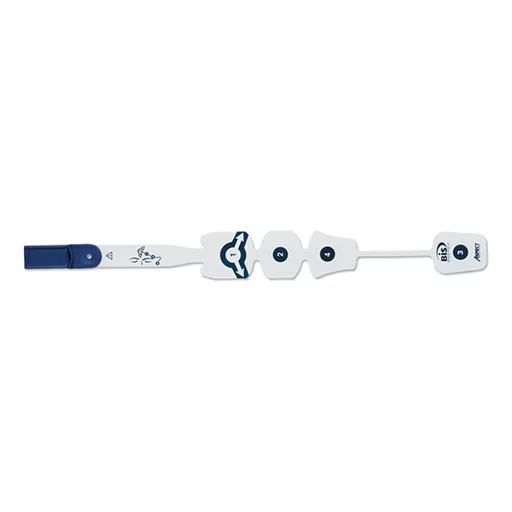
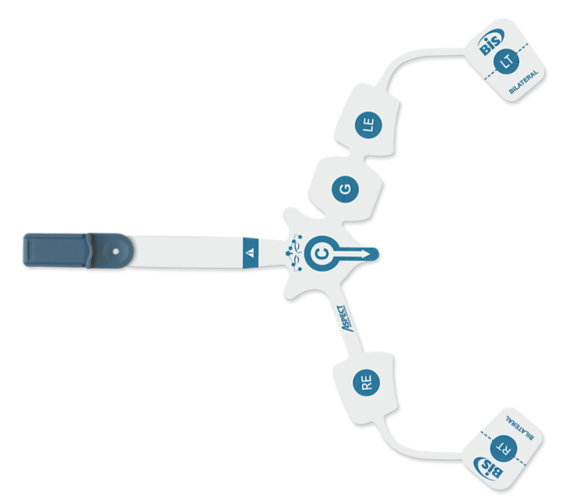
- EEG Sensors: Placed on the patient's forehead, these sensors capture electrical activity from the brain. They are designed to be non-invasive and comfortable for the patient, ensuring minimal disruption during surgery.
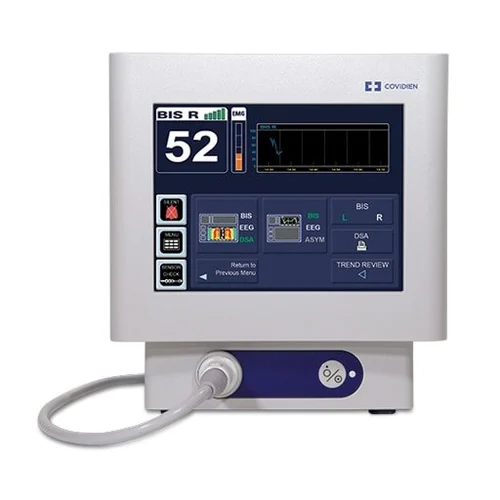
- Signal Processing Unit: This component interprets the EEG signals and calculates the BIS index. Advanced algorithms are used to filter out noise and artifacts, providing a more accurate representation of the brain's activity.
- Display Monitor: Provides real-time feedback to the anesthesiologist, showing the BIS index and trends over time. This visual representation helps anesthesiologists make quick decisions regarding drug administration and patient care.
Clinical Applications of BIS Monitoring
BIS cerebral monitoring is utilized in various clinical settings, including:
- General Surgery: Helps maintain appropriate anesthesia depth during procedures, reducing the risk of intraoperative awareness. This is particularly important in surgeries where patients may experience prolonged anesthesia.
- Cardiac Surgery: Assists in managing anesthesia in patients with complex cardiovascular conditions. In these cases, monitoring brain activity can help anesthesiologists tailor their approach to minimize hemodynamic instability.
- Pediatric Anesthesia: Provides guidance for dosing and monitoring in children, who may respond differently to anesthetic agents. Pediatric patients often require careful titration of anesthetics, and BIS monitoring can help ensure their safety during procedures.
- Neurosurgery: In surgeries involving the brain, maintaining optimal anesthesia depth is critical. BIS monitoring can help avoid excessive sedation that might impair neurological function.
Benefits of Using BIS Monitoring
Implementing BIS monitoring in anesthetic practice offers several advantages:
- Improved Patient Safety: By accurately gauging anesthesia depth, BIS monitoring minimizes the likelihood of awareness during surgery. Studies have shown that patients who experience awareness may suffer from psychological effects postoperatively, making this a significant safety feature.
- Reduced Drug Consumption: Anesthesiologists can tailor drug administration more precisely, potentially reducing the amount of anesthetic agents used. This not only lowers costs but also decreases the risk of drug-related side effects.
- Enhanced Recovery: Patients may experience faster recovery times and fewer side effects, as optimal dosing can lead to less postoperative confusion and cognitive dysfunction. This is particularly beneficial for elderly patients or those undergoing major surgeries.
- Real-Time Monitoring: Continuous assessment allows for immediate adjustments to anesthesia, which can be crucial in dynamic surgical environments.
Considerations and Limitations
While BIS monitoring has numerous benefits, it is essential to consider certain limitations:
- Interference from Artifacts: Movement, electrical interference, or certain medications can affect the accuracy of BIS readings. Anesthesiologists must be aware of these factors and interpret results accordingly.
- Variability in Patient Response: Different patients may have varying responses to anesthetic agents, which can influence BIS values. Factors such as age, weight, and comorbidities can affect the BIS index, necessitating individualized approaches.
- Training Requirement: Anesthesiologists must be trained to interpret BIS values accurately and integrate them into their practice. Ongoing education and familiarity with the technology are crucial for effective use.
- Cost Considerations: While BIS monitoring can improve outcomes, it may also increase the cost of anesthesia care. Hospitals must weigh the benefits against the financial implications.
Practical Considerations for BIS Monitoring
When implementing BIS monitoring in clinical practice, several practical considerations must be taken into account:
- Patient Preparation: Proper patient positioning and preparation are essential for accurate readings. The placement of EEG sensors should be done carefully to avoid artifacts caused by movement or improper contact.
- Integration into Workflow: BIS monitoring should be seamlessly integrated into the anesthetic workflow. This includes ensuring that the monitoring equipment is easily accessible and that the anesthesiology team is trained in its use.
- Monitoring Protocols: Establishing clear protocols for when and how to use BIS monitoring can enhance its effectiveness. This includes setting thresholds for intervention based on BIS values and ensuring consistent application across different surgical teams.
- Postoperative Assessment: Evaluating the effectiveness of BIS monitoring postoperatively can provide insights into its impact on patient outcomes. Collecting data on recovery times and patient experiences can help refine practices and improve future use.
Comparison with Alternative Approaches
While BIS monitoring is a valuable tool in anesthesia, it is important to consider alternative approaches that may also be used to assess anesthesia depth:
- Clinical Signs: Traditionally, anesthesiologists have relied on clinical signs such as heart rate, blood pressure, and patient responsiveness to gauge anesthesia depth. While these methods can provide valuable information, they are often subjective and may not be as reliable as objective measures like BIS.
- Other EEG-Based Monitoring: There are various other EEG-based monitoring systems available, each with its own algorithms and indices. Some may provide additional insights into brain activity, but they may also come with their own sets of limitations and learning curves.
- Depth of Anesthesia Monitors: Other technologies, such as the Narcotrend or the SedLine, offer alternative methods for monitoring anesthesia depth. Each has unique features and benefits, and the choice may depend on the specific clinical setting and anesthesiologist preference.
- Combination Approaches: Some practitioners advocate for using BIS monitoring in conjunction with traditional clinical assessments to provide a more comprehensive view of anesthesia depth. This multimodal approach can help optimize patient safety and anesthetic management.
Conclusion
BIS cerebral monitoring is a valuable tool in modern anesthesia that enhances patient safety and optimizes anesthetic management. By providing real-time insights into a patient's brain activity, anesthesiologists can make informed decisions that improve outcomes. As technology continues to evolve, the integration of BIS monitoring into clinical practice will likely become increasingly common, further advancing the field of anesthesia. With careful consideration of its applications, benefits, and limitations, BIS monitoring can play a crucial role in ensuring the highest standards of patient care during surgical procedures.
This article is for educational purposes only and is not a substitute for professional medical advice. Please consult a qualified healthcare provider for specific medical concerns.
Explore Kanlife's range of anesthesia equipment and monitoring solutions to enhance your practice. Get in touch with us for more information!
Frequently asked questions
What is BIS monitoring?
BIS monitoring is a technique used in anesthesia to assess the depth of sedation and anesthesia by analyzing brain activity.
How does BIS monitoring work?
BIS monitoring uses EEG sensors to capture brain wave patterns and generates a BIS index value indicating the level of consciousness.
What are the benefits of BIS monitoring?
It improves patient safety, reduces drug consumption, and enhances recovery by allowing precise management of anesthesia depth.
Are there any limitations to BIS monitoring?
Yes, limitations include potential inaccuracies due to artifacts, variability in patient responses, and the need for proper training.
In what clinical settings is BIS monitoring used?
BIS monitoring is commonly used in general surgery, cardiac surgery, and pediatric anesthesia.