Comparative Analysis of Anesthesia Delivery Systems: Which is Best for Your Surgical Practice?
Introduction
In the realm of surgical practices, the choice of anesthesia delivery systems plays a pivotal role in ensuring patient safety and optimizing surgical outcomes. With a variety of systems available on the market, it can be challenging for healthcare professionals to determine which option best suits their specific needs. This article provides a comparative analysis of anesthesia delivery systems, highlighting their features, clinical applications, and key considerations for procurement.
Understanding Anesthesia Delivery Systems
Anesthesia delivery systems are designed to administer anesthetic agents to patients undergoing surgical procedures. These systems can vary in complexity, from simple portable units to advanced integrated systems that offer a range of monitoring and delivery capabilities. The primary goal is to ensure that patients receive the appropriate dosage of anesthetic while maintaining vital signs within safe parameters. Modern systems often include features such as automated drug delivery, which can help reduce the risk of human error during administration.
Types of Anesthesia Delivery Systems
There are several types of anesthesia delivery systems commonly used in surgical practices:
- Volatile Anesthesia Machines: These machines deliver inhalational anesthetics and are equipped with vaporizers to ensure accurate dosing. They are commonly used for general anesthesia and can provide a stable anesthetic depth throughout the procedure.
- Intravenous (IV) Anesthesia Systems: These systems administer anesthetics through IV lines, allowing for rapid onset and precise control over drug delivery. They are particularly effective for outpatient procedures where quick recovery is necessary.
- Combined Systems: Some systems integrate both volatile and IV delivery methods, providing flexibility for the anesthesia provider. This allows for tailored anesthesia plans based on patient needs and procedure types.
- Regional Anesthesia Systems: These systems are designed for administering nerve blocks and other regional anesthesia techniques, which can reduce the need for general anesthesia and improve postoperative pain management.
Key Features to Consider
When evaluating anesthesia delivery systems for your surgical practice, consider the following features:
- Safety Features: Look for systems with built-in safety mechanisms, such as alarms for low oxygen levels and automatic shut-off in case of malfunction. These features are crucial for preventing adverse events during surgery.
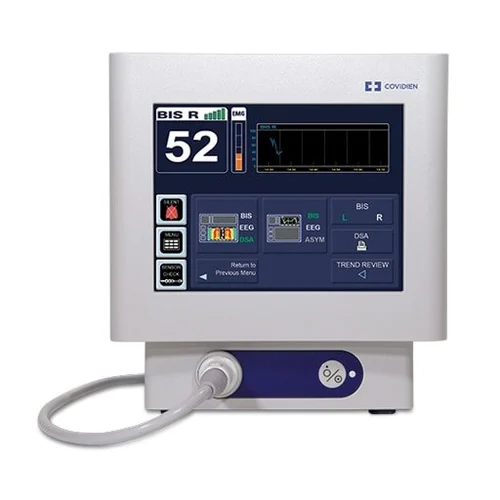
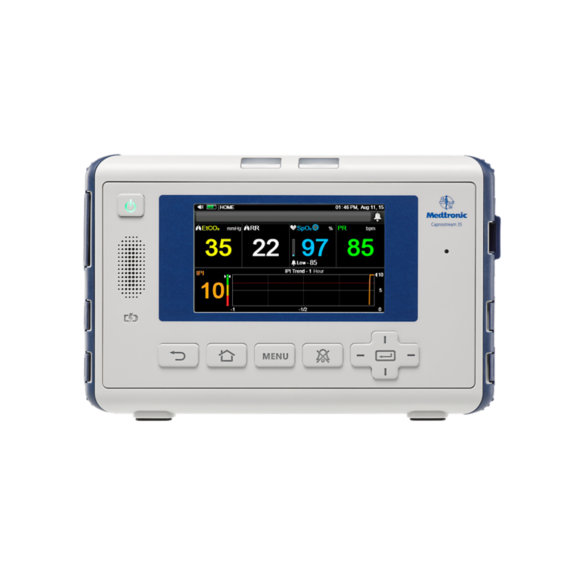
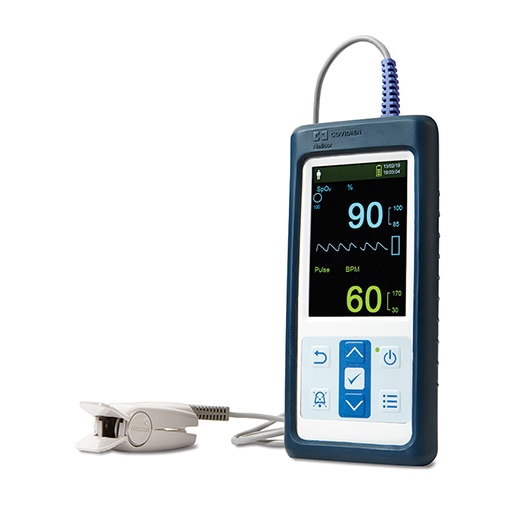
- Monitoring Capabilities: Advanced systems often include integrated monitoring for vital signs, allowing for real-time assessment of the patient's condition. Continuous monitoring of parameters such as blood pressure, heart rate, and oxygen saturation is essential for patient safety.
- User Interface: An intuitive interface can enhance usability, reducing the likelihood of errors during critical moments. Systems that allow for quick adjustments and provide clear visual feedback are particularly beneficial in high-stress environments.
- Portability: For practices that require mobility, consider portable anesthesia delivery systems that can be easily transported between operating rooms. This flexibility can improve workflow efficiency in busy surgical settings.
- Compatibility: Ensure that the system is compatible with existing equipment and protocols in your surgical practice. This includes integration with electronic health records and other monitoring devices.
Comparative Analysis of Leading Brands
Several reputable brands manufacture anesthesia delivery systems, each with unique features and benefits. Here, we compare some of the leading options:
- Medtronic: Known for its advanced monitoring capabilities, Medtronic's anesthesia systems are designed for high-performance settings, offering precise control and safety features that enhance patient care.
- Philips: Philips systems are recognized for their user-friendly interfaces and integration with electronic health records, facilitating seamless data transfer and documentation, which is vital for maintaining accurate patient records.
- Skanray: Skanray offers cost-effective solutions with essential features, making them suitable for smaller surgical practices or outpatient settings that require reliable performance without excessive expenditure.
- VNG: VNG systems are praised for their portability and versatility, ideal for practices that require mobility and ease of use, especially in emergency or remote settings.
Cost Factors and Procurement Considerations
The cost of anesthesia delivery systems can vary significantly based on features, brand, and technology. When budgeting for a new system, consider the following:
- Initial Purchase Price: Assess the upfront costs associated with purchasing the system, including any necessary accessories. Compare costs across different brands while considering long-term value.
- Maintenance and Support: Factor in ongoing maintenance costs and the availability of technical support from the manufacturer. A system that requires frequent repairs can lead to increased operational costs.
- Training Requirements: Consider any training needed for staff to effectively operate the new system, which can impact overall costs. Comprehensive training programs can help ensure that staff are proficient in using the equipment safely and efficiently.
- Resale Value: Some systems retain their value better than others; consider potential resale options for future upgrades. Evaluating the depreciation rates of various brands can provide insight into long-term investment.
Deployment and Setup
Once a decision has been made on the anesthesia delivery system, proper deployment and setup are crucial for effective use:
- Installation: Ensure that the installation is performed by qualified professionals to guarantee optimal performance. Improper installation can lead to malfunctions that compromise patient safety.
- Calibration: Systems should be calibrated according to manufacturer specifications to maintain accuracy and safety. Regular calibration checks are essential to ensure that the system delivers the correct dosages of anesthetic agents.
- Integration: Integrate the new system with existing hospital infrastructure, including electronic health records and monitoring systems. Effective integration can streamline workflows and improve data accessibility.
After-Sales Support and Service
Reliable after-sales support is essential for the longevity and performance of anesthesia delivery systems. When selecting a provider, inquire about:
- Warranty Options: Understand the warranty coverage and what it includes. A robust warranty can provide peace of mind and protect against unexpected costs.
- Technical Support: Ensure that the manufacturer offers robust technical support to address any issues that may arise. Quick access to support can minimize downtime and maintain operational efficiency.
- Training Programs: Look for manufacturers that provide ongoing training to keep staff updated on best practices and system upgrades. Continuous education is vital for adapting to new technologies and improving patient care.
Practical Considerations for Use
Implementing a new anesthesia delivery system involves various practical considerations that can affect its effectiveness and safety in a surgical setting:
- Staff Training: Comprehensive training is necessary to ensure that all users are familiar with the system's functionalities and safety protocols. Regular refresher courses can help maintain high standards of care.
- Emergency Protocols: Establish clear emergency protocols for situations where the anesthesia delivery system fails. Staff should be trained to respond quickly and effectively to ensure patient safety.
- Regular Maintenance Checks: Schedule routine maintenance checks to ensure that the system is functioning optimally. This includes checking for software updates, hardware integrity, and overall system performance.
Conclusion
Choosing the right anesthesia delivery system is a critical decision for any surgical practice. By understanding the various types of systems, key features, and considerations for procurement, healthcare professionals can make informed choices that enhance patient safety and surgical efficiency. As you evaluate options, consider reaching out to Kanlife Group for expert guidance on selecting the best anesthesia delivery systems tailored to your practice’s needs.
Clinical and diagnostic decisions should always follow your institution's protocols and the product's instructions for use.
Explore Kanlife's range of anesthesia delivery systems, request a quote, or get in touch with our expert team to find the perfect solution for your surgical practice.
Frequently asked questions
What are anesthesia delivery systems?
Anesthesia delivery systems are devices used to administer anesthetic agents to patients during surgical procedures, ensuring their safety and comfort.
How do I choose the right anesthesia delivery system?
Consider factors like safety features, monitoring capabilities, user interface, portability, and compatibility with existing equipment when selecting an anesthesia delivery system.
What are the types of anesthesia delivery systems?
Common types include volatile anesthesia machines, intravenous anesthesia systems, combined systems, and regional anesthesia systems.
What should I look for in after-sales support for anesthesia systems?
Look for warranty options, availability of technical support, and ongoing training programs to ensure optimal performance and longevity of your anesthesia delivery system.
How much do anesthesia delivery systems cost?
Costs can vary widely based on features, brand, and technology, so it's important to assess initial purchase prices alongside maintenance and support costs.