The Impact of Advanced Diagnostics on Pediatric Liver Diseases
Introduction
Pediatric liver diseases encompass a spectrum of conditions that can significantly affect the health and development of children. Early diagnosis and effective management are crucial for improving outcomes in these young patients. Advanced diagnostics in hepatology have emerged as vital tools, enabling healthcare professionals to identify and monitor liver diseases with greater precision. This article explores the impact of these advanced diagnostic methods on the clinical management of pediatric liver diseases.
Understanding Pediatric Liver Diseases
Pediatric liver diseases can arise from various causes, including congenital anomalies, metabolic disorders, infections, and autoimmune conditions. Common pediatric liver diseases include biliary atresia, hepatitis, and non-alcoholic fatty liver disease (NAFLD). The complexity of these conditions necessitates a thorough understanding of their etiology and progression to ensure effective treatment. For instance, biliary atresia, a condition characterized by the absence or obstruction of bile ducts, often presents in infancy and can lead to severe liver damage if not diagnosed and treated promptly. Similarly, NAFLD, which is increasingly prevalent among children due to rising obesity rates, requires careful monitoring and management to prevent progression to cirrhosis.
Challenges in Diagnosis
Diagnosing liver diseases in children can be particularly challenging due to the nonspecific nature of symptoms and the variability in disease presentation. Traditional diagnostic methods, such as liver biopsy, while informative, are invasive and carry risks. The need for sedation and potential complications, such as bleeding or infection, can deter clinicians from using this method, especially in pediatric populations. As a result, there is a growing demand for non-invasive and advanced diagnostic techniques that can provide accurate assessments without the need for invasive procedures. Techniques such as elastography and serum biomarkers are gaining traction as they allow for safer assessments of liver health.
Advanced Diagnostic Techniques in Hepatology
Recent advancements in diagnostic technologies have significantly enhanced the ability to evaluate liver conditions in pediatric patients. Some of the key techniques include:
- Imaging Techniques: Ultrasound, Magnetic Resonance Imaging (MRI), and Computed Tomography (CT) scans are invaluable in visualizing liver structure and function. These imaging modalities can help detect abnormalities such as tumors, cysts, or structural defects. For example, MRI with diffusion-weighted imaging can provide detailed insights into liver lesions, assisting in differentiating benign from malignant conditions.
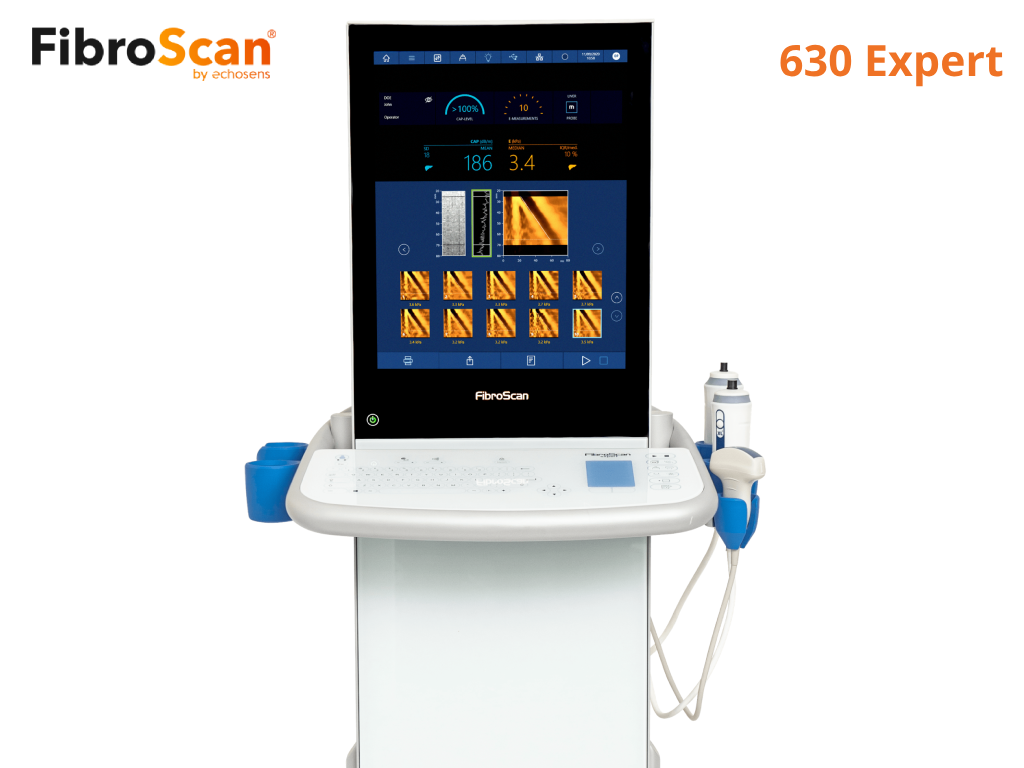
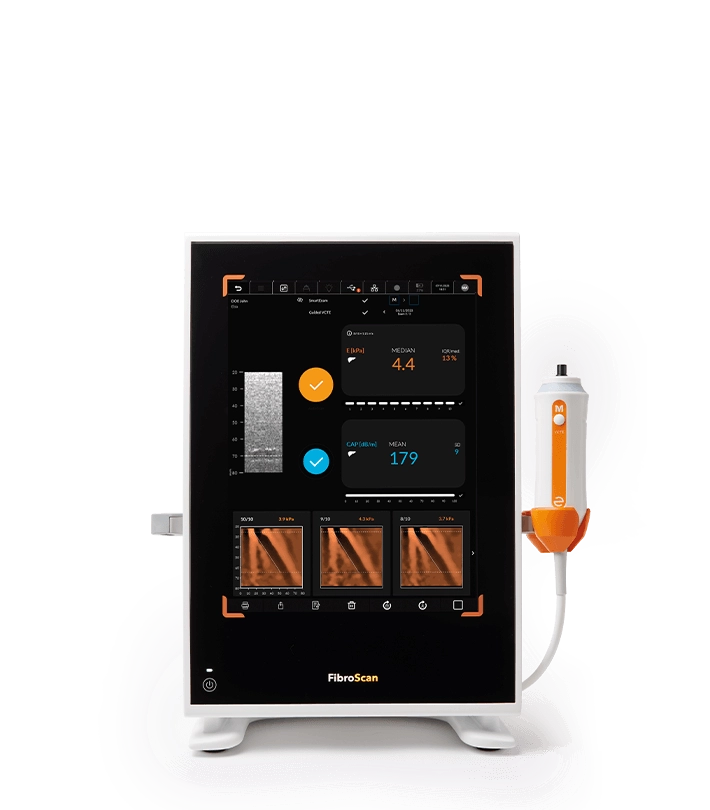
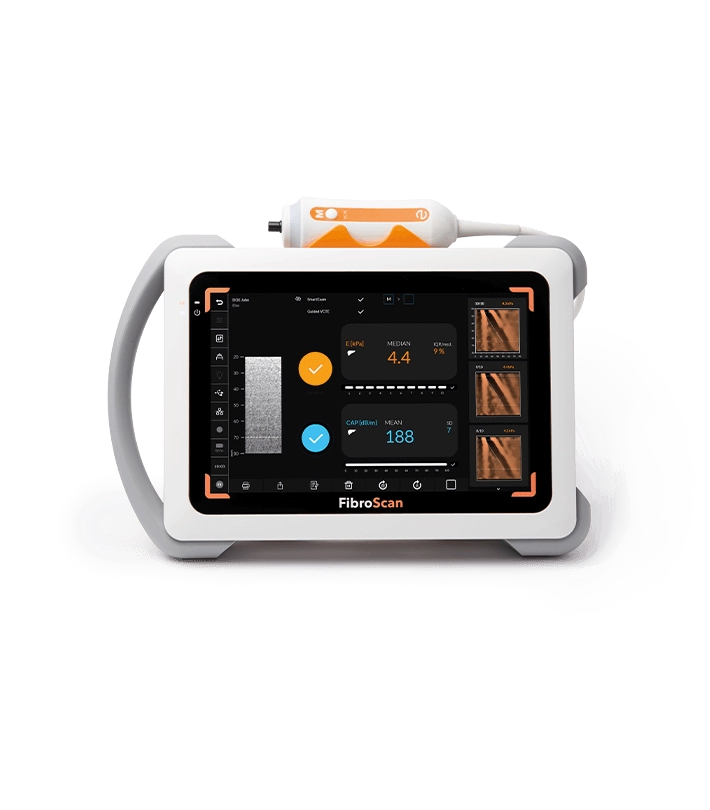
- Elastography: This non-invasive technique measures liver stiffness, providing insights into fibrosis and cirrhosis. It has become a standard in the assessment of liver diseases, especially in children, where traditional biopsies are less desirable. Transient elastography is particularly useful in monitoring disease progression in conditions like hepatitis and NAFLD.
- Serum Biomarkers: Advances in the identification of serum biomarkers have led to the development of non-invasive blood tests that can indicate liver damage or disease progression. These tests can be particularly useful in monitoring chronic liver diseases over time, allowing for timely intervention when necessary.
- Genetic Testing: For certain pediatric liver diseases, genetic testing can identify underlying hereditary conditions, facilitating early intervention and personalized management strategies. Conditions such as Wilson's disease, which leads to copper accumulation in the liver, can be diagnosed early through genetic markers.
Clinical Applications of Advanced Diagnostics
The integration of advanced diagnostics into clinical practice has transformed the management of pediatric liver diseases in several ways:
- Early Detection: Advanced imaging and biomarker tests allow for earlier detection of liver diseases, which is critical for initiating timely treatment and improving prognoses. Early diagnosis of conditions like biliary atresia can lead to surgical interventions that significantly improve outcomes.
- Monitoring Disease Progression: Non-invasive techniques enable continuous monitoring of liver health, allowing clinicians to adjust treatment plans based on real-time data. This is particularly important in chronic conditions where disease progression can be subtle but impactful.
- Reducing Invasive Procedures: By providing accurate assessments without the need for liver biopsies, advanced diagnostics reduce the risks associated with invasive procedures, leading to better patient compliance and comfort. This is especially beneficial in pediatric populations where anxiety about procedures can be high.
- Personalized Treatment Approaches: The insights gained from advanced diagnostic tools facilitate tailored treatment strategies that consider the unique characteristics of each child's condition. For instance, understanding the specific type of liver disease can guide the choice of medications or the need for dietary modifications.
Benefits of Advanced Diagnostics
The benefits of incorporating advanced diagnostics into the management of pediatric liver diseases are manifold:
- Improved Accuracy: Enhanced diagnostic accuracy leads to more effective treatment plans and better patient outcomes. Accurate diagnosis is crucial for conditions like autoimmune hepatitis, where treatment can significantly alter the disease course.
- Cost-Effectiveness: Non-invasive diagnostics can reduce healthcare costs associated with hospital stays and invasive procedures. By minimizing the need for surgeries and lengthy hospitalizations, healthcare systems can allocate resources more efficiently.
- Enhanced Patient Experience: Minimizing the need for invasive tests improves the overall patient experience, reducing anxiety for both children and their families. A comfortable experience can lead to better adherence to follow-up appointments and treatment regimens.
- Better Prognosis: Early intervention made possible by advanced diagnostics can lead to improved long-term outcomes for pediatric patients. For example, timely treatment of hepatitis can prevent the progression to liver failure.
Considerations and Limitations
While advanced diagnostics have revolutionized the approach to pediatric liver diseases, several considerations must be taken into account:
- Access to Technology: Not all healthcare facilities may have access to the latest diagnostic tools, potentially leading to disparities in care. Rural or underfunded facilities may struggle to implement advanced diagnostics, impacting patient outcomes.
- Interpretation of Results: The interpretation of advanced diagnostic tests requires specialized training and expertise to ensure accurate conclusions. Misinterpretation can lead to incorrect diagnoses and treatment decisions, highlighting the need for ongoing education in this field.
- Cost of Advanced Diagnostics: Although they can be cost-effective in the long run, the initial investment in advanced diagnostic technologies can be high. Budget constraints may limit the adoption of these technologies in some healthcare settings.
- Need for Standardization: As new diagnostic methods emerge, there is a need for standardization in protocols and guidelines to ensure consistency in clinical practice. This is essential for ensuring that all patients receive the same quality of care regardless of where they are treated.
Practical Considerations in the Use of Advanced Diagnostics
Implementing advanced diagnostic techniques in the management of pediatric liver diseases requires careful planning and consideration. Healthcare providers must ensure that they have the necessary equipment and trained personnel to perform these tests effectively. Training for staff is crucial, as the accuracy of results can depend heavily on the operator's skill and familiarity with the technology. Additionally, facilities should have protocols in place for interpreting results and integrating them into clinical decision-making processes. For instance, regular interdisciplinary meetings can help in discussing complex cases and ensuring that all relevant information is considered when developing treatment plans.
Moreover, patient and family education is essential. Explaining the purpose and process of advanced diagnostic tests can help alleviate anxiety and encourage cooperation. Providing clear information about what to expect can enhance the overall experience for pediatric patients and their families, fostering a supportive environment that prioritizes patient comfort.
Comparison with Alternative Approaches
When considering diagnostic approaches for pediatric liver diseases, advanced diagnostics offer significant advantages over traditional methods. For instance, while liver biopsy provides valuable histological information, it is invasive and carries risks such as bleeding and infection. In contrast, non-invasive techniques like elastography and serum biomarker tests can deliver similar insights without the associated risks. Furthermore, imaging techniques such as ultrasound and MRI can provide comprehensive views of liver anatomy and function, allowing for the identification of structural abnormalities that may not be detectable through biopsy alone.
Additionally, the cost-effectiveness of advanced diagnostics cannot be overlooked. While the initial investment may be higher, the reduction in hospital stays, invasive procedures, and complications associated with traditional diagnostics can lead to overall savings for healthcare systems. Ultimately, the choice of diagnostic method should be guided by the specific clinical context, the patient's condition, and the resources available.
Conclusion
Advanced diagnostics are playing an increasingly vital role in the clinical management of pediatric liver diseases. By enabling early detection, continuous monitoring, and personalized treatment strategies, these technologies enhance patient care and outcomes. As the field of hepatology continues to evolve, ongoing research and development will further refine these diagnostic tools, ultimately benefiting pediatric patients and their families.
This article is for informational purposes only and is not a substitute for professional medical advice. Always consult a healthcare provider for medical concerns.
Explore Kanlife Group's range of advanced diagnostic equipment and learn how we can support your clinical needs in hepatology. Get in touch with us today!
Frequently asked questions
What are pediatric liver diseases?
Pediatric liver diseases refer to a range of liver conditions that affect children, including biliary atresia, hepatitis, and non-alcoholic fatty liver disease.
How do advanced diagnostics work for liver diseases?
Advanced diagnostics use non-invasive techniques such as imaging, elastography, and biomarkers to assess liver health and disease progression.
What are the benefits of using advanced diagnostics in pediatrics?
Benefits include improved accuracy, early detection, reduced need for invasive procedures, and personalized treatment approaches.
Where are advanced diagnostics used in pediatric liver management?
Advanced diagnostics are used in hospitals and specialized clinics to monitor and manage pediatric liver diseases.
What limitations do advanced diagnostics have?
Limitations include access to technology, the need for specialized interpretation, and potential high costs.