The Impact of Non-Invasive Diagnostics on Patient Outcomes in Liver Disease Management
Introduction
Liver disease management has evolved significantly over the years, with a growing emphasis on non-invasive diagnostics. These advanced techniques not only facilitate early detection but also enhance patient outcomes by reducing the need for invasive procedures. In this article, we will explore the impact of non-invasive diagnostics on liver disease management, examining their role in improving patient care and clinical decision-making.
Understanding Non-Invasive Diagnostics
Non-invasive diagnostics encompass a variety of techniques that allow healthcare professionals to assess liver health without the need for surgical interventions. Common methods include:
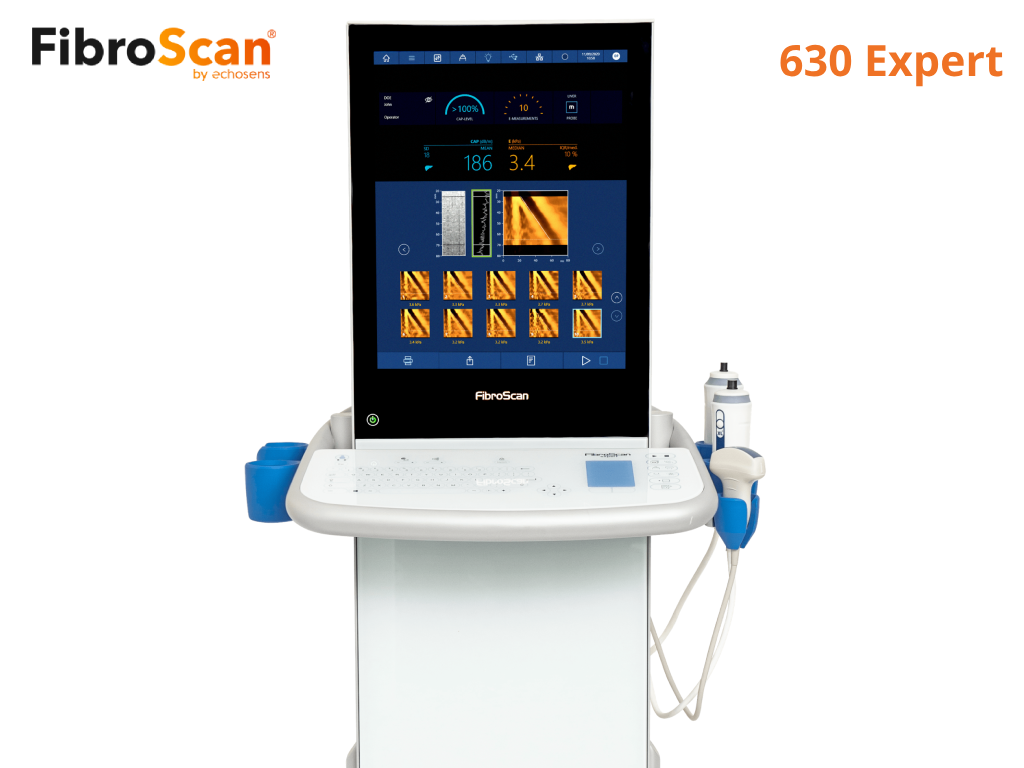
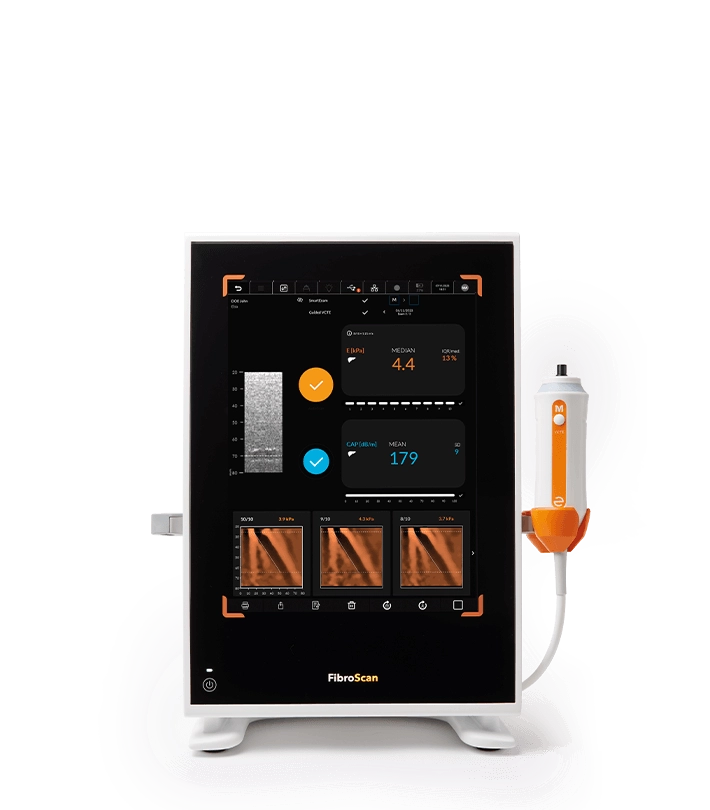
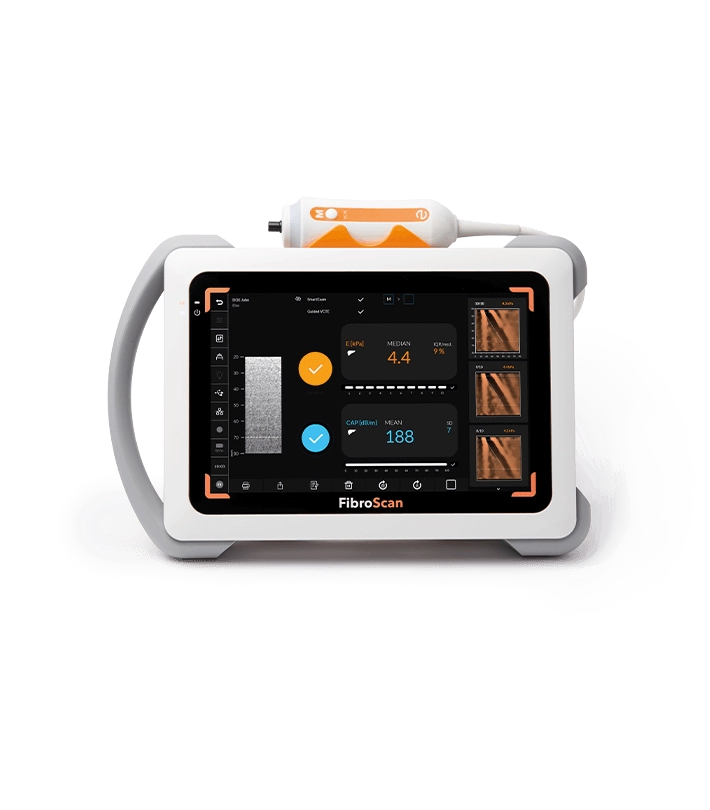
- Ultrasound Elastography: A technique that measures liver stiffness, providing insights into fibrosis and cirrhosis. This method uses high-frequency sound waves to generate images of the liver, allowing clinicians to evaluate tissue elasticity and identify potential liver damage.
- Magnetic Resonance Imaging (MRI): Offers detailed images of liver structure and function, aiding in the diagnosis of liver conditions. MRI can visualize liver lesions and assess blood flow, making it a valuable tool in the differential diagnosis of liver diseases.
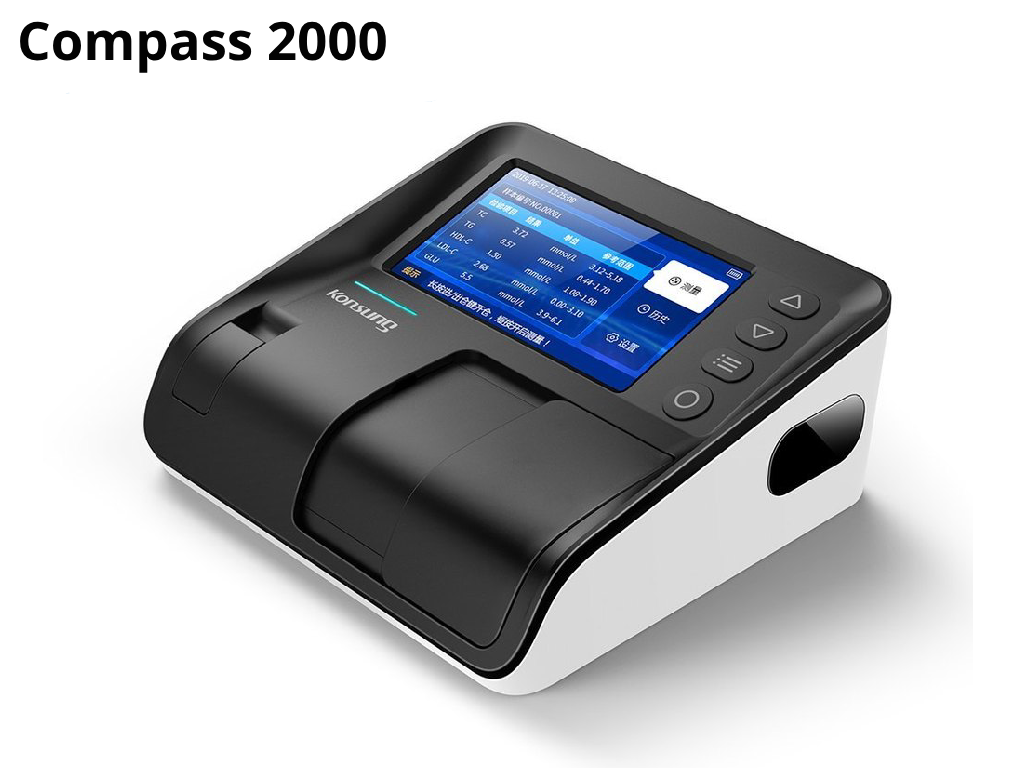
- Blood Biomarkers: Tests that measure specific proteins or enzymes in the blood, indicating liver function and damage. Biomarkers such as alanine aminotransferase (ALT) and aspartate aminotransferase (AST) provide insights into liver health and can signal the presence of liver injury.
Clinical Applications in Liver Disease Management
Non-invasive diagnostics play a crucial role in various aspects of liver disease management:
1. Early Detection and Diagnosis
Early identification of liver diseases, such as hepatitis or fatty liver disease, is vital for effective treatment. Non-invasive diagnostics enable clinicians to detect abnormalities before they progress to more severe conditions, thus improving the chances of successful intervention. For instance, identifying elevated liver stiffness through ultrasound elastography can prompt further evaluation and timely treatment, potentially preventing the progression to cirrhosis.
2. Monitoring Disease Progression
Regular monitoring of liver disease progression is essential for tailoring treatment plans. Non-invasive methods, such as ultrasound elastography, allow for ongoing assessment of liver stiffness, helping clinicians evaluate the effectiveness of therapeutic interventions and make timely adjustments to treatment strategies. This continuous monitoring is crucial for managing chronic liver diseases, where treatment efficacy must be regularly assessed to avoid complications.
3. Reducing Invasive Procedures
Traditionally, liver biopsies have been the gold standard for diagnosing liver conditions. However, they carry risks such as bleeding and infection. Non-invasive diagnostics reduce the need for such procedures, minimizing patient discomfort and associated complications while still providing accurate diagnostic information. For example, studies have shown that patients prefer non-invasive tests over biopsies due to the lower risk of complications and the convenience of outpatient testing.
Benefits of Non-Invasive Diagnostics
The integration of non-invasive diagnostics into liver disease management offers several advantages:
- Enhanced Patient Comfort: Patients experience less anxiety and discomfort compared to invasive procedures, leading to higher satisfaction rates. This comfort can encourage patients to seek timely medical attention, further improving outcomes.
- Cost-Effectiveness: By reducing the need for hospital admissions and invasive procedures, non-invasive diagnostics can lower overall healthcare costs. This cost-effectiveness is particularly important in resource-limited settings where healthcare budgets are constrained.
- Timely Interventions: Rapid assessment of liver health enables healthcare providers to initiate treatments sooner, potentially improving long-term outcomes. Early intervention can significantly alter the disease trajectory, particularly in conditions like hepatitis C, where prompt treatment can lead to viral eradication.
- Improved Clinical Decision-Making: Access to accurate and timely diagnostic information supports better treatment planning and patient management. Clinicians can make informed decisions about the necessity of further testing or immediate treatment based on non-invasive results.
Considerations and Limitations
While non-invasive diagnostics offer numerous benefits, there are also considerations to keep in mind:
- Accuracy and Reliability: The effectiveness of non-invasive methods can vary based on the specific technique used and the patient population. Clinicians must consider these factors when interpreting results. For instance, ultrasound elastography may be less reliable in patients with significant obesity or ascites, which can affect the accuracy of stiffness measurements.
- Need for Comprehensive Evaluation: Non-invasive diagnostics should complement, rather than replace, traditional diagnostic methods. A comprehensive approach is essential for accurate diagnosis and management. Clinicians should integrate non-invasive results with clinical findings and, when necessary, confirm diagnoses through traditional methods.
- Access to Technology: Availability of advanced diagnostic tools may vary by region, potentially impacting patient access to these innovative methods. Ensuring equitable access to non-invasive technologies is crucial for maximizing their benefits in diverse populations.
Practical Considerations for Implementation
Implementing non-invasive diagnostics in clinical practice requires careful planning and consideration. Healthcare facilities must ensure that they have the necessary equipment and trained personnel to perform these tests accurately. Training programs for staff on the interpretation of results and the use of non-invasive technologies are essential. Additionally, establishing protocols for integrating non-invasive diagnostic findings into clinical workflows can enhance patient management. For example, developing guidelines for when to utilize ultrasound elastography or blood biomarker testing can streamline decision-making processes and improve patient care.
Future Directions in Hepatology
The field of hepatology is continually evolving, with ongoing research aimed at enhancing non-invasive diagnostic techniques. Future advancements may include:
- Integration of AI and Machine Learning: These technologies could improve the accuracy of diagnostic algorithms, allowing for more precise assessments of liver health. AI can analyze vast amounts of data to identify patterns that may not be apparent to human observers.
- Development of New Biomarkers: Identifying novel blood-based biomarkers could enhance the ability to detect liver disease at earlier stages. Research into genetic markers and metabolomics may provide new insights into liver health and disease.
- Personalized Medicine Approaches: Tailoring diagnostic and treatment strategies to individual patient profiles may lead to improved outcomes in liver disease management. This personalized approach can optimize treatment plans based on a patient's unique risk factors and disease characteristics.
Conclusion
Non-invasive diagnostics are revolutionizing liver disease management by improving patient outcomes through early detection, continuous monitoring, and reduced reliance on invasive procedures. As technology advances, the integration of these innovative techniques will play an increasingly vital role in hepatology, ultimately leading to better patient care and enhanced quality of life for individuals with liver disease.
This article is for educational purposes only and is not a substitute for professional medical advice. Always consult a healthcare provider for medical concerns.
Explore Kanlife's range of diagnostic equipment for liver disease management and connect with our expert team to learn more about how we can support your clinical needs.
Frequently asked questions
What are non-invasive diagnostics?
Non-invasive diagnostics are techniques that assess health without surgical procedures, commonly used to evaluate liver health.
How do non-invasive diagnostics improve patient outcomes?
They enhance early detection, reduce the need for invasive procedures, and allow for continuous monitoring of liver disease.
Where are non-invasive diagnostics used in liver disease management?
They are used in hospitals and clinics to diagnose and monitor various liver conditions.
What are the benefits of using non-invasive methods over traditional biopsies?
Benefits include improved patient comfort, reduced complications, and lower healthcare costs.
Are non-invasive diagnostics always accurate?
While generally reliable, their accuracy can vary based on the technique and patient factors, necessitating a comprehensive evaluation.