Evaluating the Effectiveness of Non-Invasive Diagnostics in Early Detection of Liver Disease
Introduction
Liver disease remains a significant global health concern, affecting millions and often going undiagnosed until advanced stages. Early detection is crucial for improving patient outcomes and optimizing treatment strategies. Non-invasive diagnostics have emerged as a vital tool in hepatology, offering a means to assess liver health without the need for invasive procedures like biopsies. This article evaluates the effectiveness of these diagnostic methods in the early detection of liver disease.
Understanding Non-Invasive Diagnostics
Non-invasive diagnostics refer to medical tests that do not require incisions or the removal of tissue. In hepatology, these methods are particularly advantageous as they minimize patient discomfort and risk associated with invasive procedures. Common non-invasive diagnostic techniques for liver disease include:
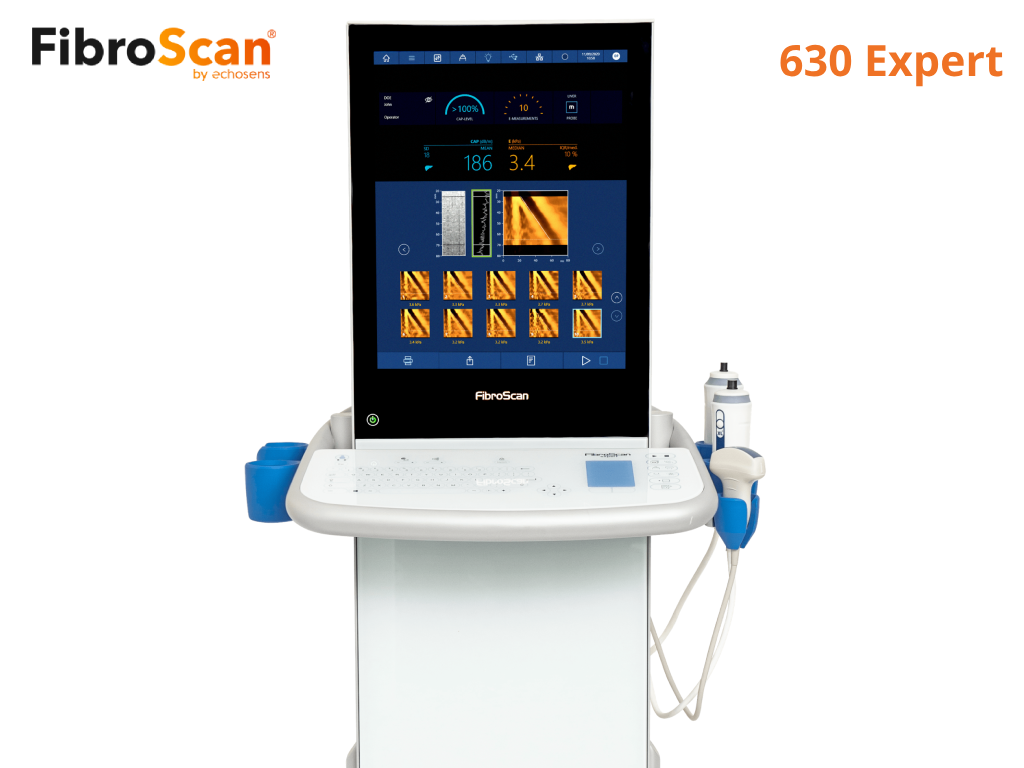
- Ultrasound Elastography: This imaging technique measures liver stiffness, which correlates with fibrosis and cirrhosis. It utilizes high-frequency sound waves to create images of the liver, allowing for the assessment of tissue elasticity.
- Magnetic Resonance Elastography (MRE): A specialized MRI technique that assesses liver stiffness and provides detailed images of liver structure. MRE combines MRI with a mechanical wave generator, enhancing its ability to detect subtle changes in liver tissue.
- Serum Biomarkers: Blood tests that evaluate liver function and detect fibrosis, such as the Fibrosis-4 (FIB-4) index and NAFLD fibrosis score. These biomarkers can help identify patients who may need further evaluation or intervention.
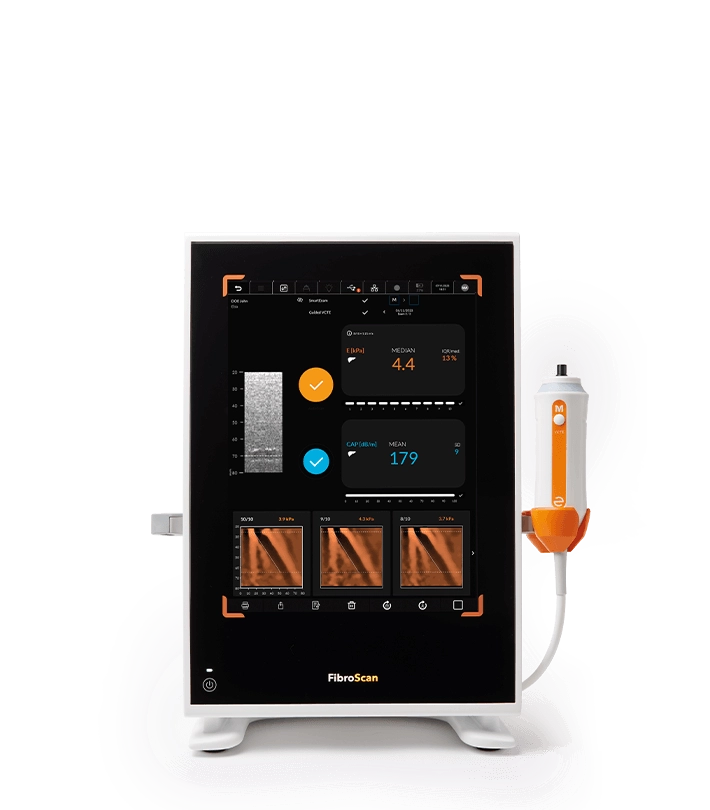
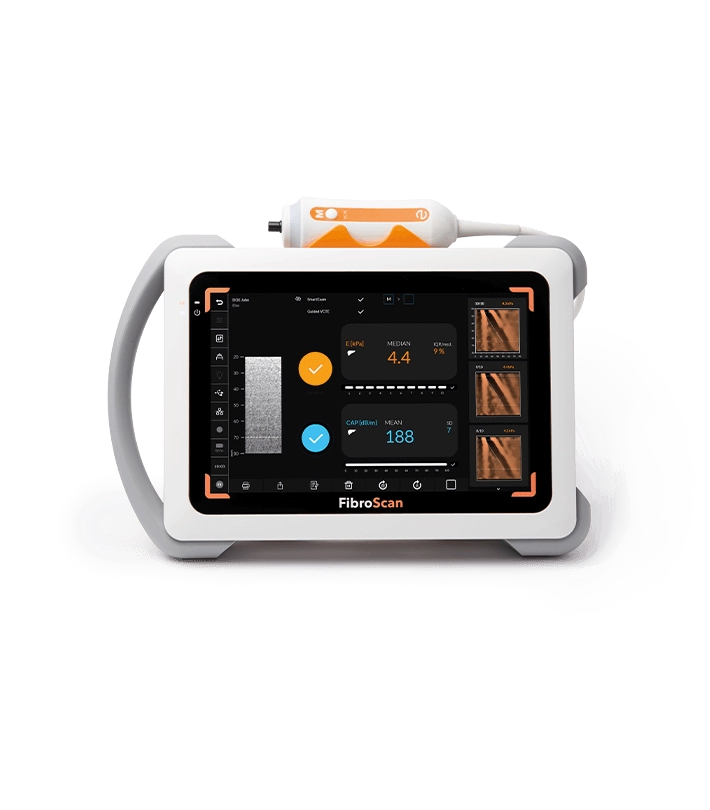
- Transient Elastography: A form of ultrasound that measures the speed of shear waves traveling through the liver, indicating stiffness and potential fibrosis. This method is quick and can be performed at the bedside, making it highly accessible.
Clinical Applications of Non-Invasive Diagnostics
Non-invasive diagnostic methods have several clinical applications in the context of liver disease:
- Screening High-Risk Populations: Non-invasive tests are particularly beneficial for screening individuals at high risk for liver disease, such as those with obesity, diabetes, or a history of hepatitis. Early identification in these populations can lead to timely interventions.
- Monitoring Disease Progression: These diagnostics enable healthcare providers to monitor liver disease progression over time, allowing for timely interventions. Regular assessments can help determine the effectiveness of treatment strategies.
- Guiding Treatment Decisions: By assessing liver stiffness and function, clinicians can make informed decisions regarding the need for more invasive procedures or treatments. This can prevent unnecessary biopsies and associated risks.
- Reducing the Need for Liver Biopsies: Non-invasive methods can significantly decrease the number of liver biopsies performed, reducing patient risk and healthcare costs. This shift towards non-invasive techniques can enhance patient satisfaction and compliance.
Benefits of Non-Invasive Diagnostics
The advantages of utilizing non-invasive diagnostics in liver disease detection are manifold:
- Patient Comfort: Non-invasive tests are generally more comfortable for patients, reducing anxiety associated with invasive procedures. This can improve patient adherence to follow-up care.
- Safety: The risk of complications is significantly lower compared to invasive tests, making non-invasive diagnostics a safer option for patients. This is particularly important for those with comorbidities.
- Cost-Effectiveness: Non-invasive tests can be more cost-effective, as they can reduce the need for hospitalization and invasive interventions. This can lead to significant savings for healthcare systems.
- Rapid Results: Many non-invasive diagnostics provide quick results, which can expedite the diagnostic process and treatment planning. Quick turnaround times can be crucial in managing acute liver conditions.
Considerations and Limitations
While non-invasive diagnostics offer numerous benefits, there are also considerations and limitations to be aware of:
- Accuracy Variability: The accuracy of non-invasive tests can vary based on the underlying liver condition and patient factors such as body mass index (BMI). Certain conditions may affect the reliability of test results.
- Interpretation Challenges: Results may require careful interpretation and should be considered alongside clinical findings and other diagnostic modalities. Clinicians must be trained to integrate these results into the broader clinical context.
- Limited Availability: Not all healthcare facilities may have access to advanced non-invasive diagnostic technologies, which can limit their use in certain regions. This can create disparities in patient care.
- Need for Standardization: There is a need for standardized protocols to ensure consistency in the application and interpretation of non-invasive tests. Variability in practices can impact the reliability of results.
Practical Considerations for Implementation
Implementing non-invasive diagnostic techniques in clinical practice requires careful planning and consideration. Healthcare providers should ensure that staff are adequately trained in the use of these technologies. Training programs should cover not only the technical aspects of operating the equipment but also the interpretation of results and patient communication. Additionally, healthcare facilities must invest in the necessary infrastructure to support these diagnostic methods, including appropriate imaging equipment and laboratory resources for biomarker testing.
Moreover, establishing clear protocols for patient selection and follow-up is essential. Clinicians should develop guidelines that outline which patients are most suitable for non-invasive testing based on their clinical history, risk factors, and presenting symptoms. Regular audits and feedback mechanisms can help refine these protocols over time, ensuring that the implementation of non-invasive diagnostics leads to improved patient outcomes.
Comparison with Alternative Approaches
When evaluating non-invasive diagnostics, it is important to compare them with traditional invasive methods, such as liver biopsy. Liver biopsy, while considered the gold standard for diagnosing liver disease, carries risks including bleeding, infection, and pain. In contrast, non-invasive techniques significantly minimize these risks while providing valuable information about liver health.
Additionally, while imaging techniques like ultrasound and MRI can visualize liver structure, non-invasive diagnostics specifically measure liver stiffness and function, which are critical indicators of fibrosis and cirrhosis. This functional assessment can provide insights that structural imaging alone may not reveal. Furthermore, non-invasive methods can be performed more frequently and at lower costs, making them a practical choice for ongoing monitoring of liver disease.
Future Directions in Non-Invasive Diagnostics
As technology advances, the field of non-invasive diagnostics for liver disease is expected to evolve further. Future developments may include:
- Integration of Artificial Intelligence: AI algorithms may enhance the accuracy of non-invasive tests by improving image analysis and risk prediction. Machine learning models could analyze large datasets to identify patterns that may not be apparent to human observers.
- Emerging Biomarkers: Research into novel serum biomarkers may lead to the development of more sensitive and specific tests for liver disease detection. These biomarkers could potentially provide insights into liver inflammation and regeneration.
- Personalized Medicine: Tailoring non-invasive diagnostic approaches based on individual patient profiles may improve diagnostic accuracy and treatment outcomes. Personalized strategies could help identify patients who would benefit most from specific interventions.
Conclusion
Non-invasive diagnostics play a pivotal role in the early detection of liver disease, offering a safer, more comfortable, and cost-effective alternative to traditional invasive methods. Their ability to assess liver health and monitor disease progression makes them invaluable tools in hepatology. As technology continues to advance, these diagnostic methods are likely to become even more effective, further enhancing patient care in the field of liver disease.
This article is for educational purposes only and is not a substitute for professional medical advice. Always consult a qualified healthcare provider for medical concerns.
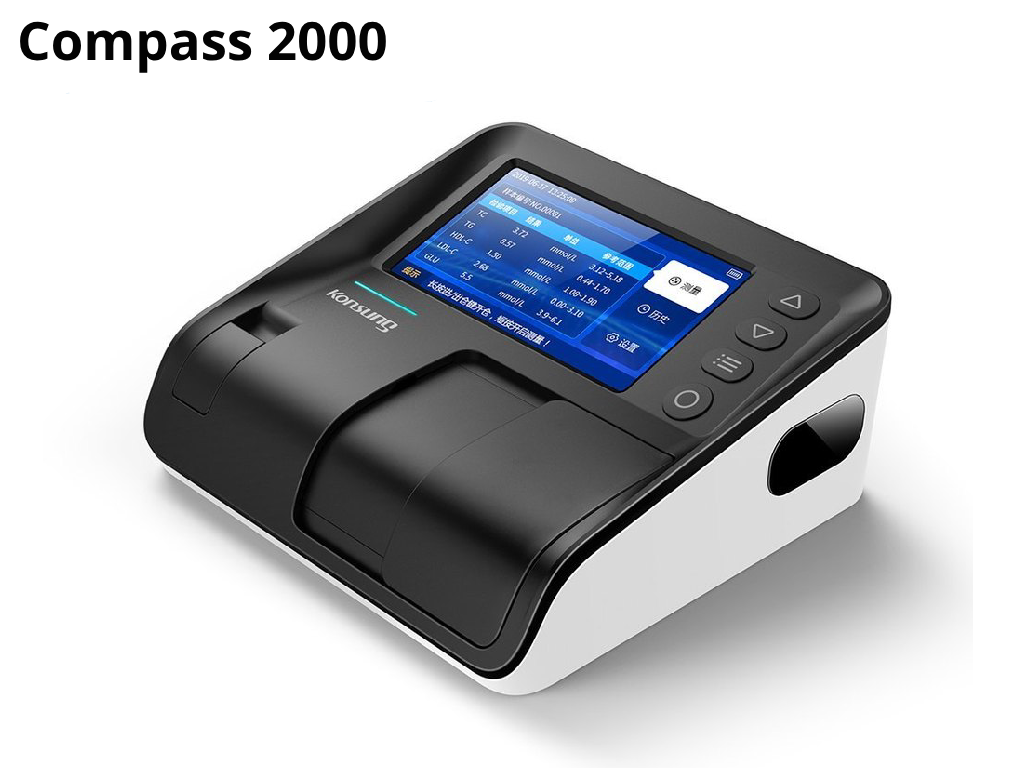
Explore Kanlife's range of non-invasive diagnostic equipment for liver disease and get in touch with our expert team to learn more about how we can support your clinical needs.
Frequently asked questions
What are non-invasive diagnostics for liver disease?
Non-invasive diagnostics for liver disease include techniques such as ultrasound elastography, magnetic resonance elastography (MRE), and serum biomarkers that assess liver health without requiring invasive procedures.
How does ultrasound elastography work?
Ultrasound elastography measures liver stiffness by evaluating the speed of sound waves traveling through the liver, helping to identify fibrosis and cirrhosis.
What are the benefits of non-invasive diagnostics?
Non-invasive diagnostics provide patient comfort, safety, cost-effectiveness, and rapid results, making them advantageous for early detection of liver disease.
Where are non-invasive diagnostics used?
Non-invasive diagnostics are used in various healthcare settings, including hospitals and clinics, particularly for screening high-risk populations for liver disease.
What limitations do non-invasive diagnostics have?
Limitations of non-invasive diagnostics include variability in accuracy, interpretation challenges, limited availability, and the need for standardized protocols.