Utilizing Advanced Imaging Techniques in NICU: Enhancing Care for Premature Infants
Introduction
In the delicate environment of a Neonatal Intensive Care Unit (NICU), the care of premature infants presents unique challenges. Advanced imaging techniques have emerged as essential tools in this setting, providing critical insights that enhance diagnosis, monitoring, and treatment. This article explores how these imaging modalities improve pediatric care for vulnerable newborns, ensuring better outcomes and more informed clinical decisions.
Understanding Advanced Imaging Techniques
Advanced imaging techniques encompass a variety of modalities, including:
- Ultrasound: A non-invasive imaging method that uses sound waves to visualize internal organs and blood flow, particularly useful for assessing brain and cardiac function in neonates. Its portability allows for bedside applications, minimizing the need for infant transport.
- MRI (Magnetic Resonance Imaging): A technique that uses magnetic fields and radio waves to produce detailed images of organs and tissues, providing high-resolution images without ionizing radiation. MRI is particularly beneficial for evaluating brain development and detecting anomalies.
- X-rays: Traditional imaging that provides quick views of skeletal structures and certain organ systems, essential for immediate assessments of conditions like pneumothorax. X-rays are often the first line of imaging in emergency situations.
- CT Scans (Computed Tomography): A series of X-ray images taken from different angles, processed to create cross-sectional images of bones and soft tissues, albeit used less frequently in neonates due to radiation exposure concerns. CT can be invaluable in complex cases where detailed anatomical visualization is required.
- Infrared Imaging: A technique that can assess blood flow and tissue temperature, useful in evaluating vascular conditions and monitoring thermal regulation in premature infants. This modality can help in detecting complications like necrotizing enterocolitis.
The Role of Imaging in NICU
Advanced imaging techniques play a pivotal role in the NICU by:
- Early Diagnosis: Imaging can help in the early detection of congenital anomalies, respiratory distress, and other conditions that may affect premature infants, allowing for timely interventions. For example, early identification of congenital heart defects can significantly alter treatment pathways.
- Monitoring Progress: Regular imaging assessments allow healthcare providers to monitor the development and progress of treatment in real time, ensuring that any complications are addressed promptly. This continuous monitoring is crucial for adjusting therapies based on the infant's evolving condition.
- Guiding Interventions: Imaging aids in guiding procedures such as catheter placements and biopsies, reducing the risk of complications and enhancing patient safety. Accurate imaging guidance minimizes the risk of procedural errors in this vulnerable population.
Clinical Applications of Advanced Imaging Techniques in NICU
Several clinical scenarios illustrate the application of advanced imaging in NICU settings:
1. Assessing Brain Development
Ultrasound is frequently used to monitor brain development in premature infants. It can help identify conditions such as intraventricular hemorrhage (IVH), which is common in this population. Early detection through imaging allows for timely interventions that can mitigate long-term neurological consequences, such as developmental delays or cerebral palsy. The ability to perform serial ultrasounds enables clinicians to track changes over time, providing a comprehensive view of brain health.
2. Evaluating Cardiac Function
Advanced echocardiography can assess cardiac function and structure in neonates, providing vital information about congenital heart defects. This imaging modality is essential for determining the need for surgical intervention or medical management, as it helps clinicians evaluate hemodynamics and cardiac output in real time. The non-invasive nature of echocardiography is particularly advantageous in this patient population, allowing for frequent assessments without additional stress.
3. Monitoring Lung Health
Chest X-rays and ultrasound are critical in evaluating lung conditions such as pneumothorax or respiratory distress syndrome. These imaging techniques enable clinicians to make informed decisions regarding respiratory support and management strategies, including the need for intubation or the adjustment of oxygen therapy. Regular imaging can help in assessing the effectiveness of therapeutic interventions, guiding clinical decisions in real-time.
4. Guiding Therapeutic Procedures
Imaging techniques, particularly ultrasound, are invaluable for guiding procedures such as vascular access or drainage of pleural effusions. This guidance enhances the safety and efficacy of interventions in fragile patients, minimizing the risk of complications associated with blind procedures. The ability to visualize anatomical structures in real-time significantly improves the success rates of these procedures.
Practical Considerations for Advanced Imaging in NICU
When implementing advanced imaging techniques in NICU settings, several practical considerations must be addressed to optimize their use:
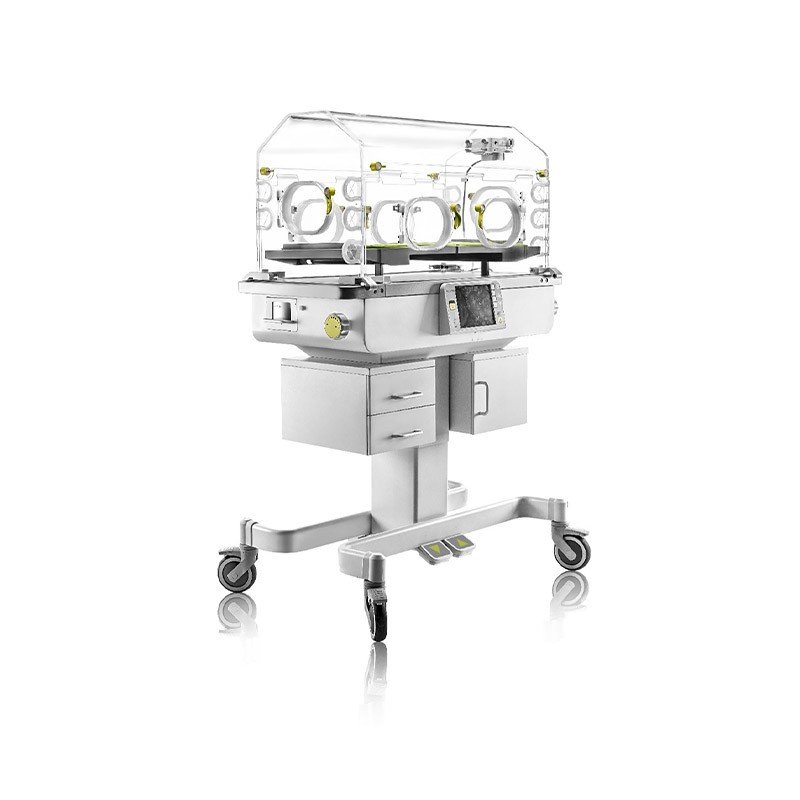
- Equipment Portability: The imaging equipment should be portable and designed for use in a NICU environment, allowing for bedside imaging when necessary. This minimizes the need to transport vulnerable infants, reducing stress and potential complications. Equipment should also be easy to clean and maintain to adhere to infection control protocols.
- Patient Safety Protocols: Establishing protocols to ensure patient safety during imaging procedures is critical. This includes monitoring vital signs during imaging and ensuring that the imaging staff is trained in neonatal resuscitation. Protocols should also address the use of sedation or analgesia when necessary, balancing the need for accurate imaging with the infant's comfort.
- Family Involvement: Involving families in the imaging process can help reduce anxiety for both parents and infants. Providing education about the imaging procedures and what to expect can foster a supportive environment. Family-centered care practices can enhance the overall experience and promote bonding during stressful times.
Cost Considerations and Procurement
For healthcare facilities looking to procure advanced imaging equipment for NICU, cost considerations are paramount:
- Initial Investment: Evaluate the initial cost of equipment, including installation and any necessary infrastructure upgrades, ensuring that the benefits justify the expenditures. Consideration should be given to the potential for shared use of equipment across departments to optimize resource allocation.
- Maintenance and Support: Consider the long-term costs associated with maintenance, service contracts, and potential upgrades. Regular maintenance is crucial to ensure the reliability and accuracy of imaging equipment. Facilities should inquire about service level agreements that guarantee timely support and minimal downtime.
- Return on Investment: Assess how advanced imaging can improve patient outcomes, potentially reducing length of stay and associated costs through better-targeted interventions and monitoring. Improved outcomes can lead to higher patient satisfaction and lower overall healthcare costs.
After-Sales Support and Service
Choosing a reliable distributor like Kanlife Group ensures that healthcare providers have access to comprehensive after-sales support. This includes:
- Technical Assistance: Ongoing technical support for troubleshooting and equipment maintenance, which is vital for minimizing downtime and ensuring continuous patient care. This support should be readily accessible, with clear communication channels established.
- Training Programs: Access to training for clinical staff to ensure effective use of advanced imaging technologies, enhancing their confidence and competence in utilizing these tools. Regular refresher courses can help staff stay updated on best practices and new techniques.
- Updates and Upgrades: Information on software updates and equipment upgrades to keep the imaging technology current, ensuring compliance with the latest clinical standards and practices. Facilities should be proactive in seeking out upgrades that enhance functionality and improve patient outcomes.
Comparison with Alternative Approaches
While advanced imaging techniques offer significant benefits in the NICU, it is essential to consider alternative approaches and their respective advantages and limitations:
- Conventional Imaging: Traditional X-rays remain a staple for quick assessments but lack the detailed information provided by modalities like MRI or ultrasound. However, they are often more accessible and require less specialized training.
- Clinical Monitoring: Continuous clinical monitoring of vital signs and physical assessments are critical components of NICU care. While these methods provide real-time data, they may not detect underlying anatomical or physiological issues that advanced imaging can reveal.
- Point-of-Care Ultrasound: This emerging approach allows for immediate imaging at the bedside, facilitating rapid decision-making. However, it relies heavily on the operator’s skill and may not provide the same level of detail as traditional ultrasound or MRI.
Conclusion
Advanced imaging techniques are revolutionizing the care provided in NICUs, enabling healthcare professionals to make informed clinical decisions that enhance outcomes for premature infants. As technology continues to evolve, it is essential for healthcare facilities to stay abreast of advancements in imaging modalities and their applications in pediatric care.
Clinical and diagnostic decisions should always follow your institution's protocols and the product's instructions for use.
Explore Kanlife's advanced imaging solutions for NICU settings and request a quote today to enhance the care you provide for premature infants.
Frequently asked questions
What are advanced imaging techniques used in NICU?
Advanced imaging techniques in NICU include ultrasound, MRI, X-rays, CT scans, and infrared imaging, providing critical insights for premature infant care.
How do advanced imaging techniques benefit premature infants?
These techniques enable early diagnosis, real-time monitoring, and guidance for therapeutic interventions, improving clinical outcomes.
What should I consider when purchasing imaging equipment for NICU?
Consider factors such as equipment cost, maintenance, staff training, and how the technology aligns with your NICU protocols.
Where are advanced imaging techniques applied in NICU?
They are applied in assessing brain development, evaluating cardiac function, monitoring lung health, and guiding therapeutic procedures.
How does Kanlife support NICUs in implementing imaging technology?
Kanlife provides technical support, training programs, and updates to ensure effective use of advanced imaging technologies in NICUs.