Enhancing Liver Function Testing in Remote Clinics with the Compass 2000
Introduction
Liver function testing is a crucial aspect of diagnosing and managing liver diseases. In remote clinics, where access to advanced laboratory facilities may be limited, point-of-care testing (POCT) devices like the Compass 2000 can significantly enhance the efficiency and accuracy of liver function assessments. This article explores how the Compass 2000 facilitates liver function testing in decentralized settings, improving patient outcomes and streamlining clinical workflows.
Understanding Liver Function Testing
Liver function tests (LFTs) measure various enzymes and proteins in the blood that indicate the state of the liver. Common parameters assessed include alanine aminotransferase (ALT), aspartate aminotransferase (AST), alkaline phosphatase (ALP), and bilirubin levels. These tests are critical for diagnosing liver conditions such as hepatitis, cirrhosis, and fatty liver disease. Traditional laboratory methods can be time-consuming and require significant infrastructure, making them less ideal for remote clinics. The Compass 2000 addresses these challenges by providing immediate results, which is essential for timely clinical decision-making in settings where every minute counts.
What is the Compass 2000?
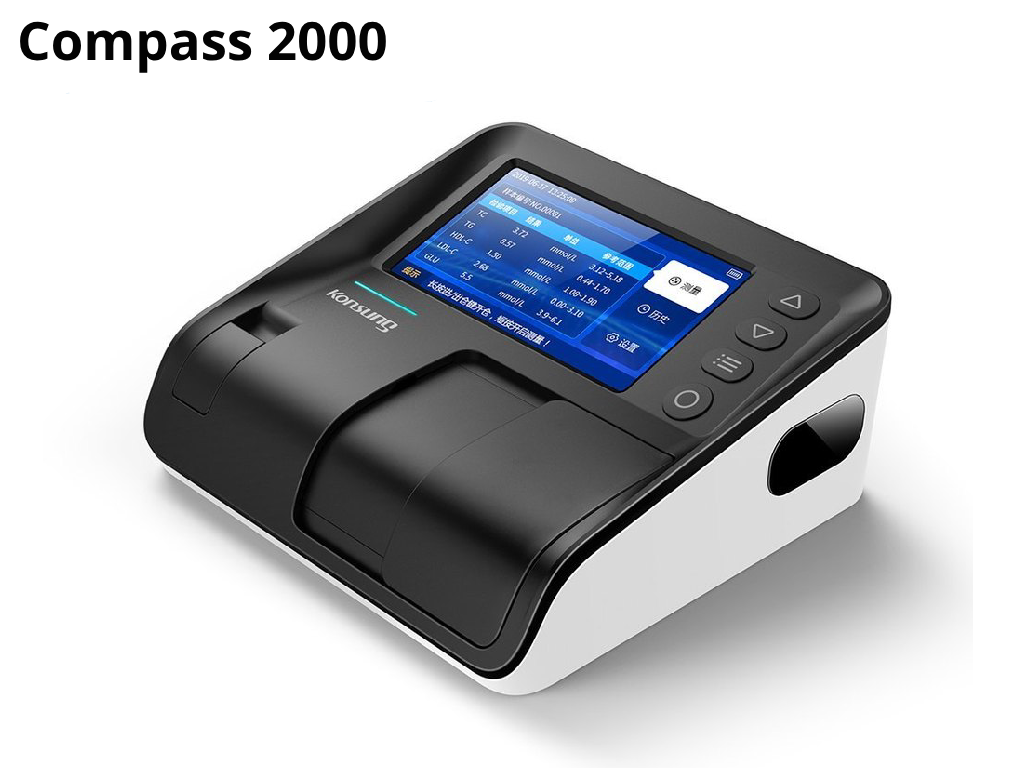
The Compass 2000 is a portable biochemistry analyzer designed specifically for decentralized testing environments. It operates on dry-chemistry test cards, allowing for the analysis of up to 12 biochemistry parameters from a small sample volume. This device is particularly well-suited for remote clinics, camps, and other decentralized healthcare settings due to its portability, battery operation, and quick turnaround time for results. The integration of advanced technology within the Compass 2000 not only enhances its performance but also ensures that healthcare providers can deliver high-quality care in diverse environments.
Key Features of the Compass 2000
- Portability: The Compass 2000 is lightweight and battery-operated, making it easy to transport and use in various settings, including rural clinics and emergency response situations.
- Rapid Results: Patients can receive results in minutes, facilitating quicker clinical decision-making, which is particularly important in acute care scenarios.
- User-Friendly Interface: The 4.3-inch touch screen simplifies operation, allowing healthcare professionals to navigate the system with ease, reducing the learning curve for new users.
- Built-in Thermostatic Control: This feature ensures optimal testing conditions, enhancing the reliability of results by minimizing the impact of environmental factors.
- Single-Use Test Cards: The Compass 2000 uses single-use Kanlife Dia card test cards, which are designed for efficient testing and reduce the risk of contamination, ensuring the integrity of each test.
Clinical Applications of the Compass 2000
In a remote clinic setting, the Compass 2000 can be employed for various clinical applications, including:
- Routine Screening: Regular liver function tests can be conducted for at-risk populations, such as individuals with a history of alcohol use or viral hepatitis, allowing for early detection and management of liver diseases.
- Monitoring Chronic Conditions: Patients with chronic liver diseases can be monitored regularly to assess their liver function and adjust treatment plans accordingly, ensuring optimal patient management.
- Emergency Situations: In urgent care situations, rapid liver function testing can aid in making critical decisions regarding patient management, such as evaluating liver function prior to surgical interventions.
Benefits of Using the Compass 2000 in Remote Clinics
The adoption of the Compass 2000 in remote clinics offers several advantages:
- Improved Access to Care: Patients in remote areas can receive timely liver function testing without the need for extensive travel, which can be a barrier to healthcare access.
- Cost-Effectiveness: The device reduces the need for expensive laboratory infrastructure, making it a viable option for resource-limited settings, thus optimizing healthcare budgets.
- Enhanced Patient Engagement: Quick results empower patients and healthcare providers to make informed decisions about care promptly, fostering a collaborative approach to patient management.
- Streamlined Workflow: The ease of use and rapid turnaround time of the Compass 2000 can help healthcare providers manage patient flow more efficiently, ultimately improving patient satisfaction.
Considerations and Limitations
While the Compass 2000 offers significant benefits, there are some considerations to keep in mind:
- Training Needs: Healthcare professionals may require training to operate the device effectively and interpret results accurately, ensuring that they can leverage the technology to its full potential.
- Test Limitations: As with any POCT device, the Compass 2000 may have limitations in terms of sensitivity and specificity compared to traditional laboratory tests, necessitating confirmatory testing in certain cases.
- Quality Control: Regular quality control measures must be implemented to ensure the reliability of test results, including calibration of the device and proper handling of test cards.
Practical Considerations for Implementing the Compass 2000
When integrating the Compass 2000 into clinical practice, several practical considerations should be addressed. First, clinics should ensure that they have adequate training programs in place for staff to familiarize them with the device's operation and maintenance. Understanding the nuances of interpreting results from the Compass 2000 is crucial for making accurate clinical decisions. Additionally, clinics should establish protocols for quality assurance, including regular calibration and maintenance checks, to uphold the integrity of test results. Furthermore, clinics should consider the logistics of supply chain management to ensure a consistent supply of single-use test cards, which are essential for the device's operation. Lastly, clinics should gather feedback from users to continuously improve the implementation process and address any challenges that arise.
Comparison with Alternative Approaches
In the context of liver function testing, the Compass 2000 offers distinct advantages over traditional laboratory methods and other POCT devices. Traditional laboratory testing often involves sending samples to centralized labs, which can result in delays of hours or even days for results. In contrast, the Compass 2000 delivers results in minutes, significantly speeding up clinical decision-making. While other POCT devices may offer similar rapid results, the unique combination of portability, user-friendly interface, and comprehensive testing capabilities of the Compass 2000 sets it apart. Moreover, the dry-chemistry technology employed by the Compass 2000 minimizes the need for complex calibration and maintenance, providing a more straightforward solution for remote clinics that may lack specialized laboratory personnel.
Conclusion
The Compass 2000 represents a significant advancement in liver function testing, particularly in remote clinic settings. By providing rapid results and ease of use, this portable biochemistry analyzer enhances patient care and supports healthcare providers in delivering timely interventions. As healthcare continues to evolve towards decentralized models, devices like the Compass 2000 will play a crucial role in improving access to essential diagnostic services.
This article is intended for educational purposes only and is not a substitute for professional medical advice.
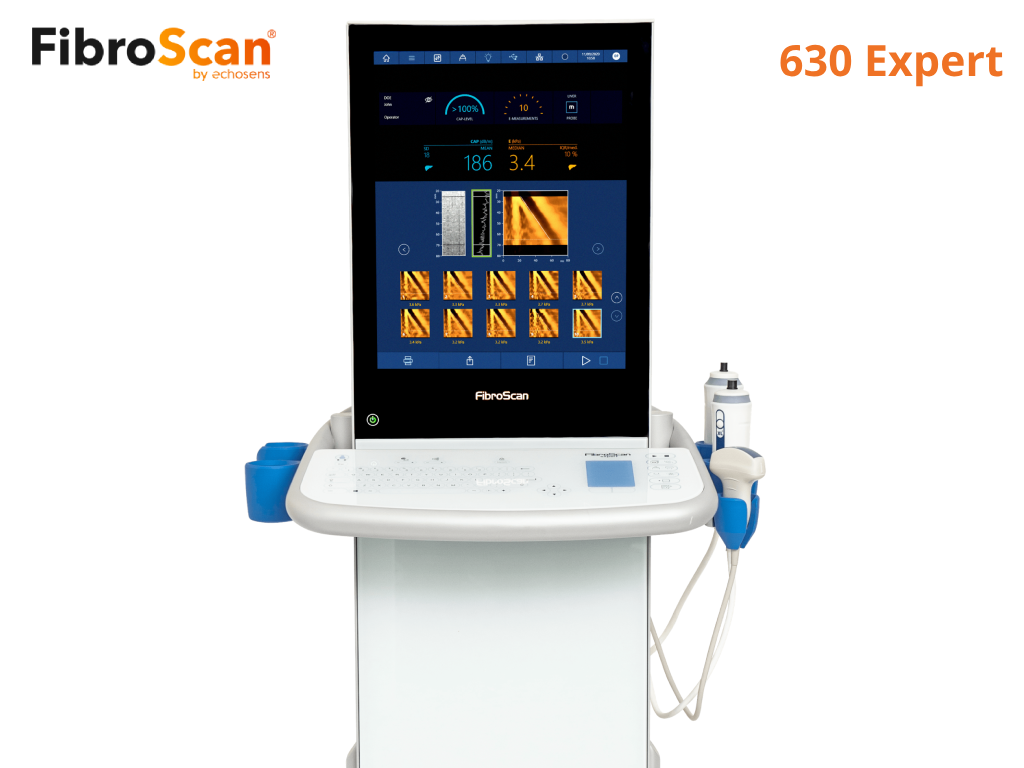
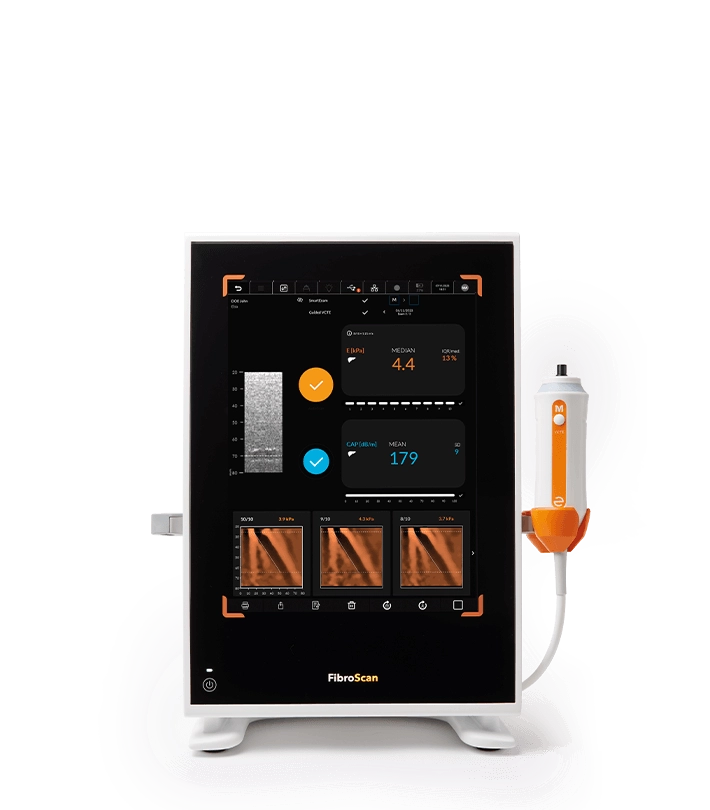
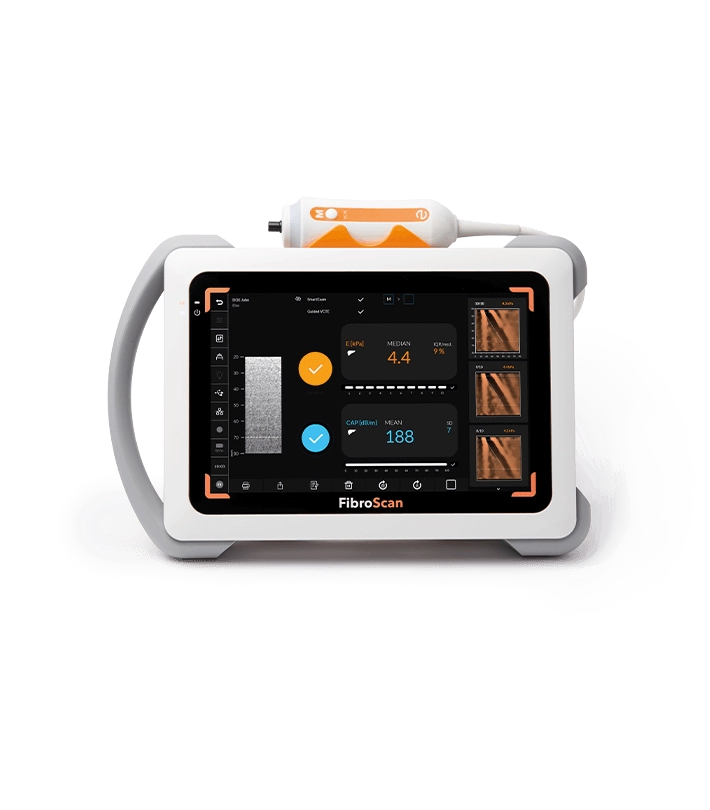
Related equipment: Compass 2000, Fibroscan 630 Expert, Fibroscan Compact 530, Fibroscan Mini 430
Further reading: Evaluating the Effectiveness of Non-Invasive Diagnostics in Early Detection of Liver Disease, The Impact of Non-Invasive Diagnostics on Patient Outcomes in Liver Disease Management
To explore the Compass 2000 and other innovative medical equipment that can enhance your clinical practice, visit Kanlife Group's website or contact us for more information.
Frequently asked questions
What is the Compass 2000?
The Compass 2000 is a portable biochemistry analyzer designed for liver function testing in decentralized healthcare settings.
How does the Compass 2000 work?
The Compass 2000 operates using dry-chemistry test cards to analyze up to 12 biochemistry parameters from a small blood sample.
Where is the Compass 2000 used?
The Compass 2000 is used in remote clinics, camps, and other decentralized healthcare environments for rapid liver function testing.
What are the benefits of using the Compass 2000?
Benefits include improved access to care, cost-effectiveness, enhanced patient engagement, and streamlined workflows for healthcare providers.
Are there any limitations to the Compass 2000?
Limitations may include the need for training, potential sensitivity and specificity issues compared to traditional tests, and the necessity for regular quality control.