Streamlining Patient Care in Hepatology with the Compass 2000's Rapid Testing Features
Introduction to Hepatology and Rapid Testing
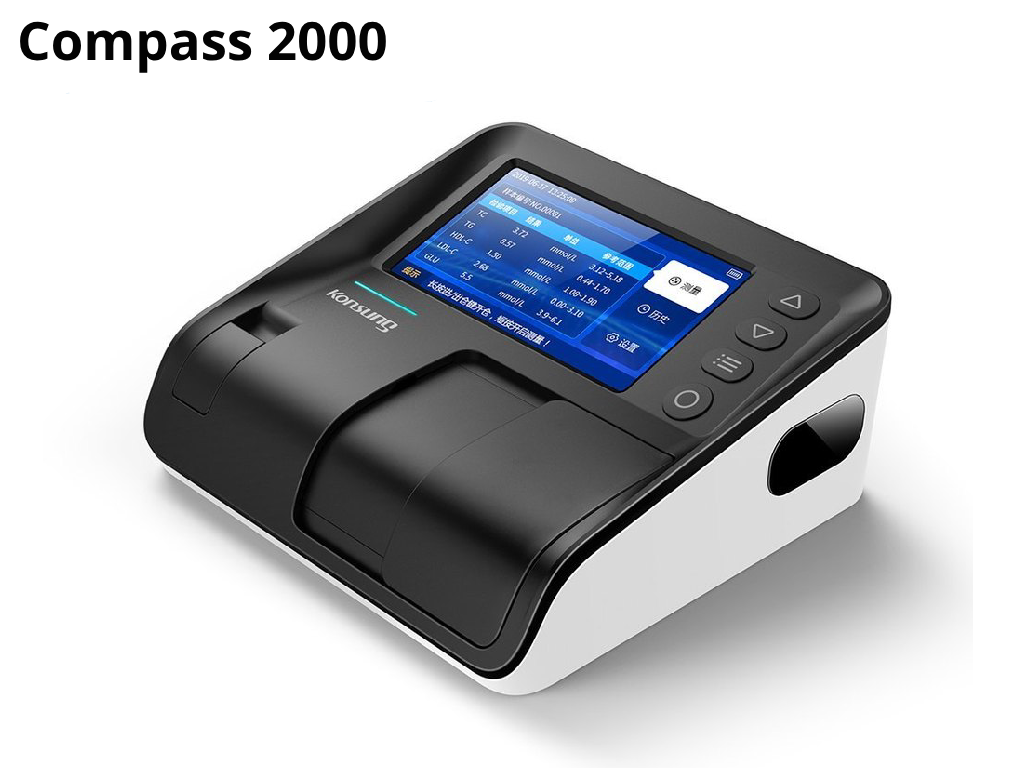
Hepatology, the branch of medicine focused on the study and treatment of liver diseases, requires timely and accurate diagnostics to ensure effective patient care. Rapid testing technologies have emerged as crucial tools in this field, enabling healthcare professionals to make informed decisions quickly. One such innovative device is the Compass 2000, which offers a portable and efficient solution for liver function testing. By utilizing advanced dry-chemistry technology, the Compass 2000 allows for the analysis of various biochemical parameters from a minimal sample volume, significantly enhancing patient management in hepatology.
Understanding the Compass 2000
The Compass 2000 is a state-of-the-art diagnostic analyzer designed for decentralized testing environments. Its portability and battery-operated design make it ideal for use in various settings, from remote clinics to community health camps. The device utilizes dry-chemistry test cards, allowing for the simultaneous testing of up to 12 biochemistry parameters from a small sample volume. This capability is particularly beneficial in hepatology, where timely assessment of liver function is critical. The device's design also minimizes the risk of contamination, ensuring that tests can be conducted safely and efficiently even in less-than-ideal conditions. Additionally, the Compass 2000's compact size and lightweight nature facilitate easy transport, making it suitable for emergency response scenarios.
Key Features of the Compass 2000
- Portability: Lightweight and battery-operated, making it suitable for field use.
- Rapid Results: Provides results in minutes, significantly reducing the waiting time for patients.
- User-Friendly Interface: Equipped with a 4.3-inch touch screen for easy navigation and operation.
- Built-in Thermostatic Control: Ensures optimal testing conditions for accurate results.
- Single-Use Test Cards: Utilizes Kanlife Dia cards, which are designed for efficient and hygienic testing.
Clinical Applications in Hepatology
In hepatology, timely diagnosis and monitoring of liver function are critical. The Compass 2000 facilitates various applications, including:
- Liver Function Tests: Assessing enzymes and metabolites to evaluate liver health, including parameters like ALT, AST, and bilirubin levels. These tests are essential in diagnosing conditions such as hepatitis and fatty liver disease.
- Monitoring Chronic Liver Diseases: Regular testing to track disease progression in patients with hepatitis or cirrhosis, enabling timely interventions. This monitoring can help in adjusting treatment plans based on changes in liver function.
- Preoperative Assessments: Rapid testing to determine liver function before surgical procedures, ensuring patient safety during operations. This is particularly important in surgeries where liver function may impact anesthesia and recovery.
- Point-of-Care Testing: Enabling immediate decision-making in emergency situations, such as acute liver failure. Quick access to liver function results can guide urgent care decisions and interventions.
Benefits of Rapid Testing with the Compass 2000
The integration of the Compass 2000 into hepatology practices offers numerous benefits:
- Improved Patient Outcomes: Quick access to results allows for timely interventions, improving overall patient care and potentially reducing complications. For instance, rapid identification of liver dysfunction can lead to faster treatment adjustments.
- Enhanced Workflow Efficiency: Reduces the burden on laboratory services and minimizes the time patients spend waiting for results, streamlining care processes. This efficiency is especially valuable in busy clinical settings where time is critical.
- Accessibility: Its portable nature enables testing in underserved areas, expanding access to essential liver diagnostics for populations that may not otherwise receive timely care. This is crucial in rural or low-resource settings where traditional laboratory access is limited.
- Cost-Effectiveness: Streamlined testing processes can lead to reduced healthcare costs over time, benefiting both healthcare providers and patients. By reducing the need for multiple visits, the Compass 2000 can help lower overall treatment costs.
Considerations and Limitations
While the Compass 2000 presents significant advantages, there are considerations to keep in mind:
- Training Requirements: Healthcare providers must receive proper training to use the device effectively, ensuring accurate results and patient safety. This training should include understanding the device's operation and maintenance.
- Quality Control: Regular calibration and quality assurance measures are essential to ensure accurate results, particularly in a decentralized testing environment. Facilities should implement routine checks to maintain testing integrity.
- Test Card Availability: Dependency on the availability of specific test cards may limit testing options, particularly in low-resource settings. Ensuring a steady supply of these cards is essential for uninterrupted testing.
Practical and Procedural Considerations
When integrating the Compass 2000 into clinical practice, several practical and procedural considerations are essential. First, healthcare facilities should establish standard operating procedures for using the device, which includes guidelines for sample collection, handling, and testing. Proper training for staff is crucial to ensure they are familiar with the device's operation and troubleshooting. Additionally, facilities should implement a routine maintenance schedule for the Compass 2000, including regular cleaning and performance checks to maintain accuracy. Furthermore, it's important to have a clear protocol for interpreting results, especially in cases where abnormal values may require immediate clinical action. This comprehensive approach helps ensure that the benefits of rapid testing are fully realized and that patient safety remains a priority. Facilities should also consider integrating the Compass 2000 into existing workflows to minimize disruption and enhance overall efficiency.
Comparison with Alternative Approaches
In the realm of liver diagnostics, traditional laboratory testing methods often involve sending samples to centralized labs, which can lead to delays in obtaining results. In contrast, the Compass 2000 offers point-of-care testing that significantly reduces turnaround times. While traditional methods may provide a broader range of tests, the rapid testing capabilities of the Compass 2000 allow for immediate decision-making, which is particularly valuable in acute care settings. Moreover, while some portable devices may sacrifice accuracy for speed, the Compass 2000 is designed to deliver reliable results comparable to those obtained from conventional laboratory analyzers. This makes it an attractive option for healthcare providers seeking to enhance patient care without compromising diagnostic integrity. Additionally, the use of dry-chemistry technology in the Compass 2000 minimizes the risk of errors associated with liquid reagents, further enhancing its reliability.
Conclusion
The Compass 2000 represents a significant advancement in the field of hepatology, providing rapid testing capabilities that enhance patient care. By facilitating timely diagnostics and monitoring, this portable analyzer is poised to improve outcomes for patients with liver diseases. As healthcare continues to evolve, devices like the Compass 2000 will play a crucial role in streamlining patient care and expanding access to essential testing, ultimately contributing to better health management in hepatology.
This article is for informational purposes only and should not be considered medical advice. Always consult a healthcare professional for medical concerns.
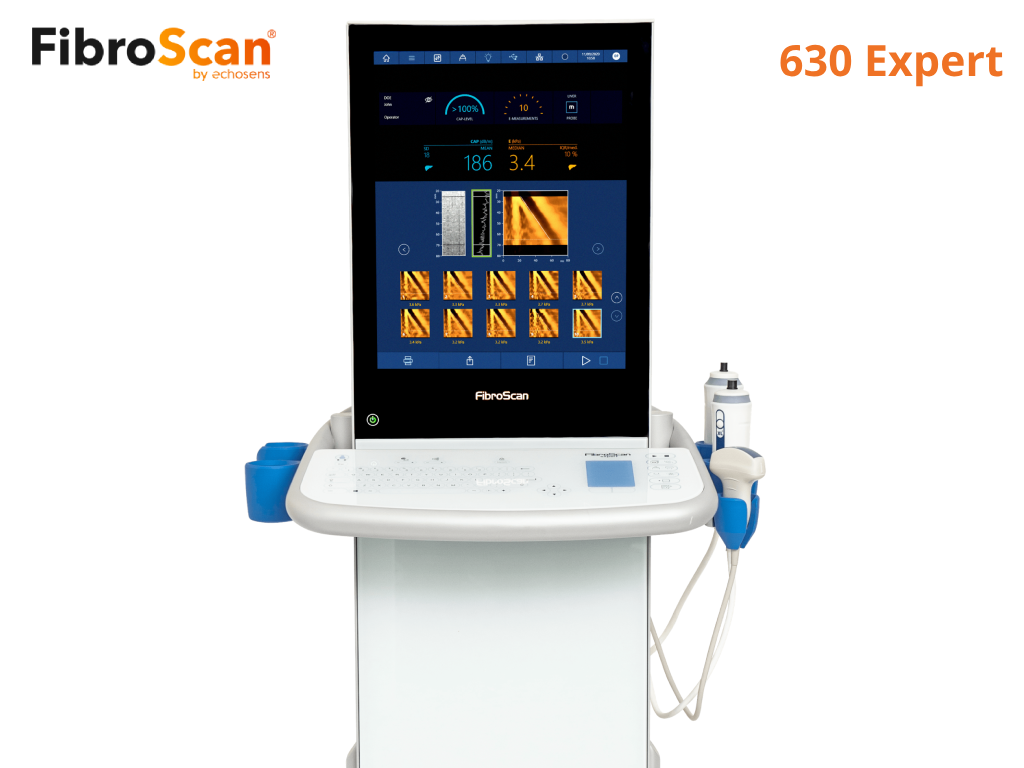
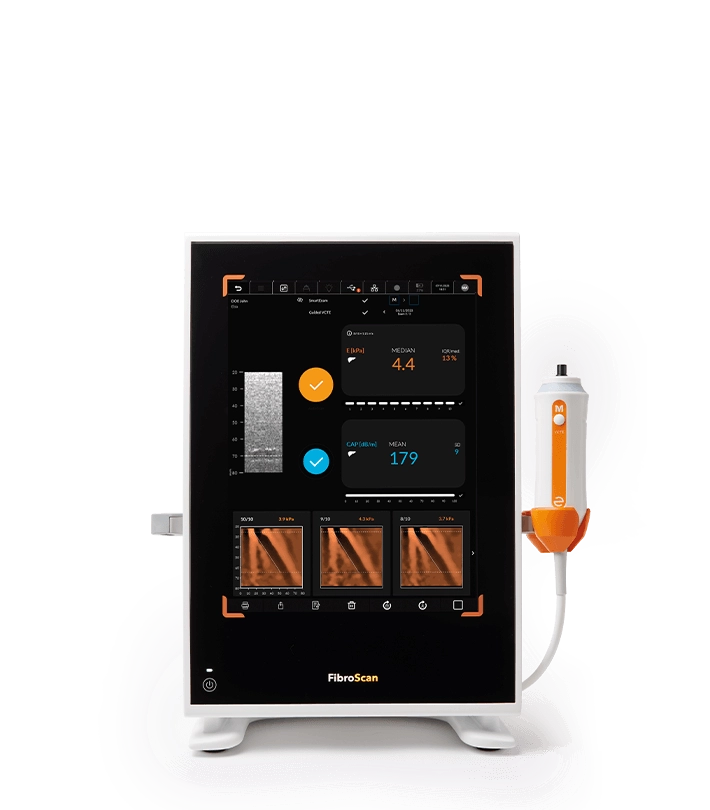
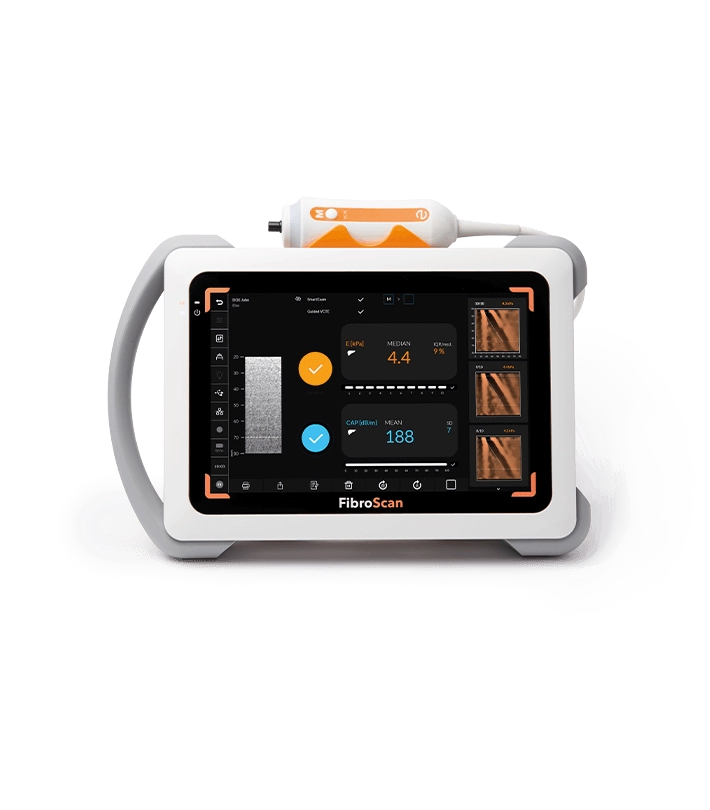
Related equipment: Compass 2000, Fibroscan 630 Expert, Fibroscan Compact 530, Fibroscan Mini 430
Further reading: Enhancing Liver Function Testing in Remote Clinics with the Compass 2000, The Impact of Non-Invasive Diagnostics on Patient Outcomes in Liver Disease Management
Explore Kanlife's range of diagnostic equipment, including the Compass 2000, to enhance your hepatology practice. Get in touch with us for more information!
Frequently asked questions
What is the Compass 2000?
The Compass 2000 is a portable diagnostic analyzer designed for rapid testing in various clinical settings, particularly in hepatology.
How does rapid testing with the Compass 2000 work?
The Compass 2000 uses dry-chemistry test cards to analyze up to 12 biochemistry parameters from a small sample volume, providing results in minutes.
Where is the Compass 2000 commonly used?
The Compass 2000 is used in clinics, community health camps, and decentralized testing environments for liver function assessments.
What are the benefits of using rapid testing in hepatology?
Rapid testing improves patient outcomes by providing quick results, enhances workflow efficiency, and expands access to essential diagnostics.
Are there any limitations to the Compass 2000?
Limitations include the need for proper training, regular quality control measures, and dependency on the availability of specific test cards.