The Role of the Compass 2000 in Decentralized Gastroenterology Practices
Introduction to Decentralized Gastroenterology Practices
Decentralized gastroenterology practices are gaining traction as healthcare systems strive to enhance patient access to diagnostic testing and treatment. This approach allows for testing to occur closer to the patient, reducing the need for extensive travel to centralized facilities. The Compass 2000, a portable point-of-care testing device from Kanlife, plays a pivotal role in this transformation by enabling rapid testing of multiple biochemistry parameters in various settings, including remote clinics and community health camps. This shift not only facilitates timely diagnosis but also helps in managing chronic conditions effectively, ensuring that patients receive appropriate care without unnecessary delays.
Overview of the Compass 2000
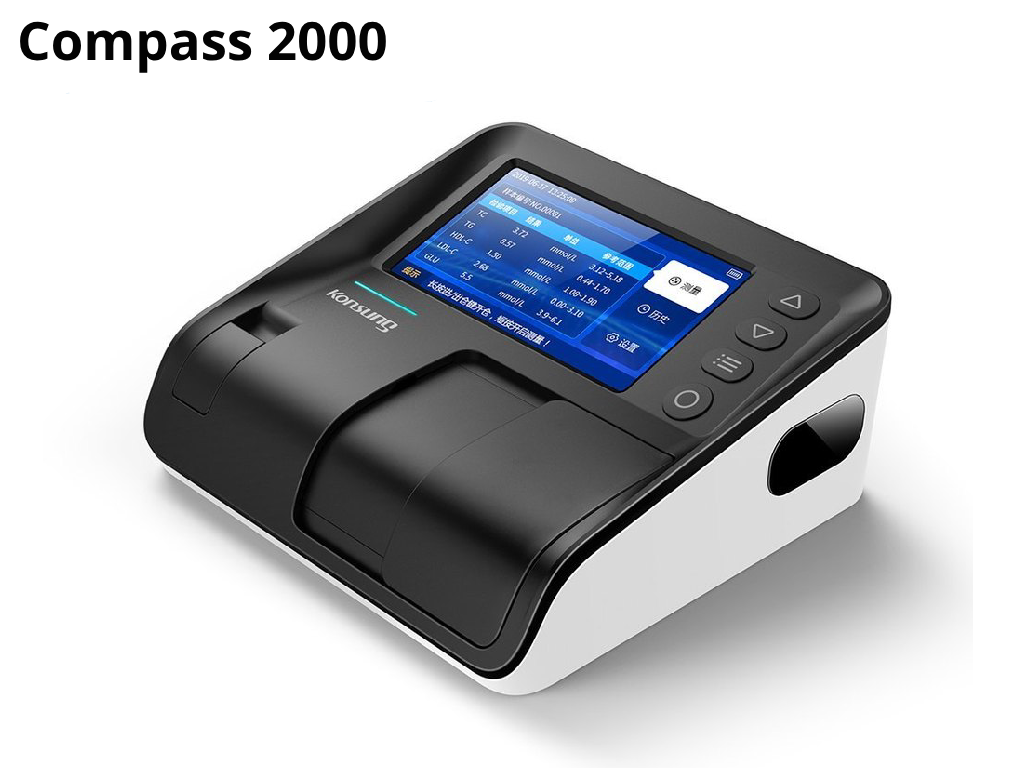
The Compass 2000 is designed specifically for decentralized testing environments. Its portability and battery-operated functionality make it ideal for use in diverse locations. Equipped with dry-chemistry test cards, the device can analyze up to 12 biochemistry parameters from a small sample volume, providing results in minutes. This rapid turnaround time is crucial for timely decision-making in gastroenterology, where early intervention can significantly impact patient outcomes. Additionally, the device's compact design allows for easy transportation, making it suitable for fieldwork and emergency situations where immediate testing is necessary.
How the Compass 2000 Works
The Compass 2000 operates using a simple yet effective process. Healthcare professionals collect a small sample from the patient and place it on a single-use Kanlife Dia card test card, which is designed to work with the device. The 4.3-inch touchscreen interface allows for easy navigation and operation, while the built-in thermostatic control module ensures optimal conditions for accurate testing. This user-friendly design facilitates efficient workflows in busy clinical environments. Moreover, the device employs advanced algorithms to interpret the results, ensuring high accuracy and reliability, which are critical for clinical decision-making.
Clinical Applications in Gastroenterology
In gastroenterology, the Compass 2000 can be utilized for various applications, including:
- Monitoring Liver Function: By assessing liver enzymes and other biochemistry parameters, the Compass 2000 aids in the early detection of liver dysfunction, allowing for timely interventions. This is particularly important for patients with risk factors such as obesity or alcohol use.
- Evaluating Digestive Disorders: The device can help in diagnosing conditions such as pancreatitis or malabsorption syndromes by measuring relevant biochemical markers. Quick identification of these conditions can lead to faster treatment and better patient outcomes.
- Assessing Nutritional Status: Through the analysis of specific parameters, healthcare professionals can evaluate a patient’s nutritional status, which is vital in managing gastroenterological conditions. This capability is especially beneficial for patients with chronic illnesses that affect nutrient absorption.
Benefits of Using the Compass 2000 in Decentralized Settings
The adoption of the Compass 2000 in decentralized gastroenterology practices offers several advantages:
- Improved Patient Access: By bringing testing closer to patients, the Compass 2000 reduces barriers to care, especially for those in rural or underserved areas. Patients can receive timely diagnostics without the burden of travel.
- Rapid Results: The quick turnaround time of results allows for immediate clinical decisions, enhancing patient management and treatment pathways. This rapid feedback loop is essential in acute situations where every moment counts.
- Cost-Effectiveness: Utilizing point-of-care testing can lead to reduced healthcare costs by minimizing unnecessary referrals and hospital visits. This efficiency can also alleviate the strain on healthcare facilities.
- Enhanced Patient Experience: Patients benefit from the convenience of receiving care in familiar settings, leading to higher satisfaction rates. The ability to conduct tests on-site can also reduce patient anxiety associated with hospital visits.
Considerations and Limitations
While the Compass 2000 provides numerous benefits, there are considerations that healthcare providers should keep in mind:
- Training Requirements: Staff must be adequately trained to operate the device and interpret results accurately. Continuous education and training can help maintain high standards of care.
- Test Limitations: The Compass 2000 analyzes specific biochemistry parameters, and it may not replace comprehensive laboratory testing for all conditions. Clinicians should be aware of the device's scope and limitations.
- Quality Control: Regular quality control measures should be implemented to ensure the accuracy and reliability of results. This includes routine calibration and maintenance of the equipment to uphold testing standards.
Practical Considerations for Implementation
When implementing the Compass 2000 in decentralized gastroenterology practices, several practical considerations must be addressed. First, the integration of the device into existing workflows is crucial. Healthcare facilities should assess how the Compass 2000 can complement current diagnostic processes, ensuring that staff are trained not only in device operation but also in the interpretation of results in the context of patient care. Additionally, establishing protocols for sample collection and handling is essential to maintain the integrity of test results. Facilities should also consider the logistics of supply management, including the availability of test cards and other necessary consumables, to ensure uninterrupted service.
Comparison with Alternative Approaches
In the realm of point-of-care testing, the Compass 2000 stands out among alternative approaches such as traditional laboratory testing and other portable devices. Unlike centralized laboratory testing, which can involve significant delays due to sample transport and processing time, the Compass 2000 provides immediate results, which is vital for acute care scenarios. Compared to other portable devices, the Compass 2000 offers a broader range of biochemistry parameters in a single test, enhancing its utility in diverse clinical settings. Furthermore, its user-friendly interface and compact design facilitate ease of use, making it an attractive option for healthcare providers seeking efficient diagnostic solutions.
Future Directions in Decentralized Gastroenterology
The integration of devices like the Compass 2000 into decentralized gastroenterology practices is likely to expand as technology advances. Future developments may include enhanced connectivity features, allowing for seamless data transfer to electronic health records, and improvements in test card technology to broaden the range of analytes tested. Such innovations could further enhance the role of point-of-care testing in managing gastroenterological conditions. Additionally, as telemedicine continues to grow, the ability to integrate point-of-care testing with remote patient monitoring systems could revolutionize how gastroenterology care is delivered, making it more accessible and efficient.
Conclusion
The Compass 2000 represents a significant advancement in the field of decentralized gastroenterology practices. By facilitating rapid and efficient testing of biochemistry parameters, it empowers healthcare providers to deliver timely and effective care to their patients. As the landscape of healthcare continues to evolve, the role of point-of-care testing devices like the Compass 2000 will undoubtedly become increasingly vital in improving patient outcomes and access to care.
This article is for educational purposes only and is not a substitute for professional medical advice. Always consult a qualified healthcare provider for any medical concerns.
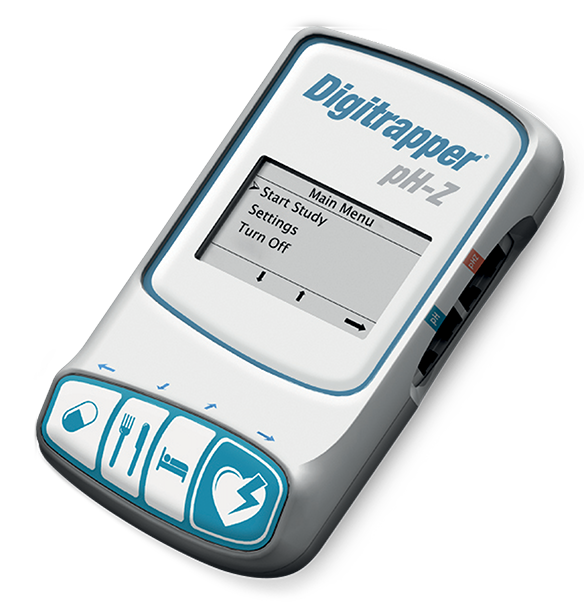
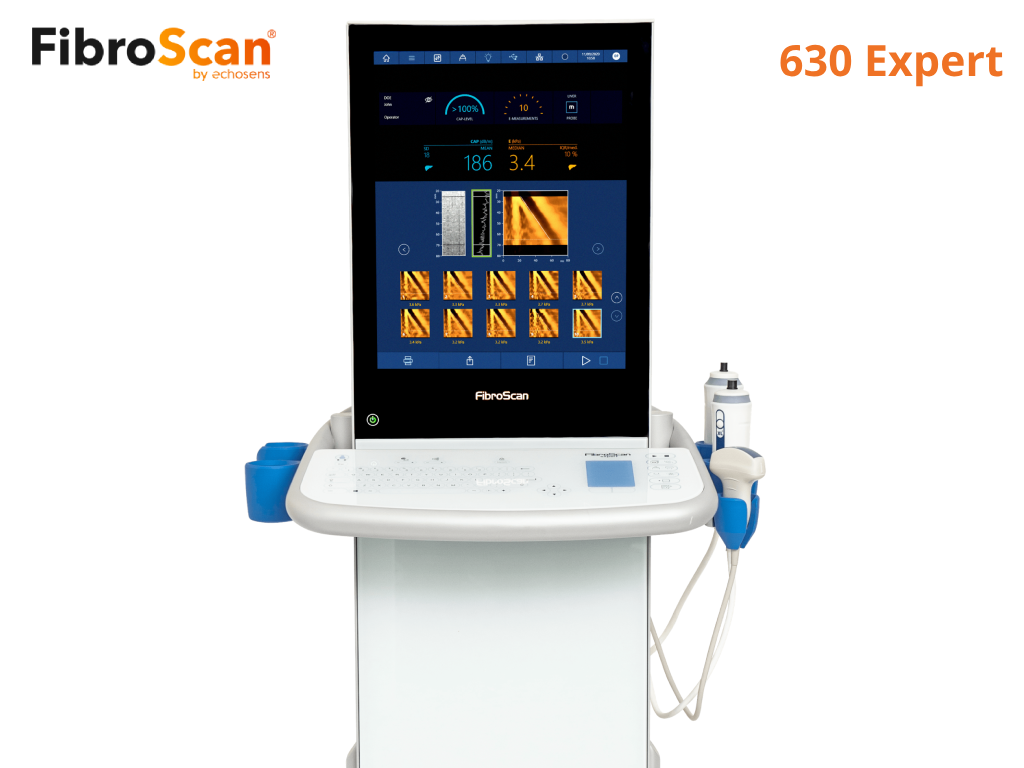
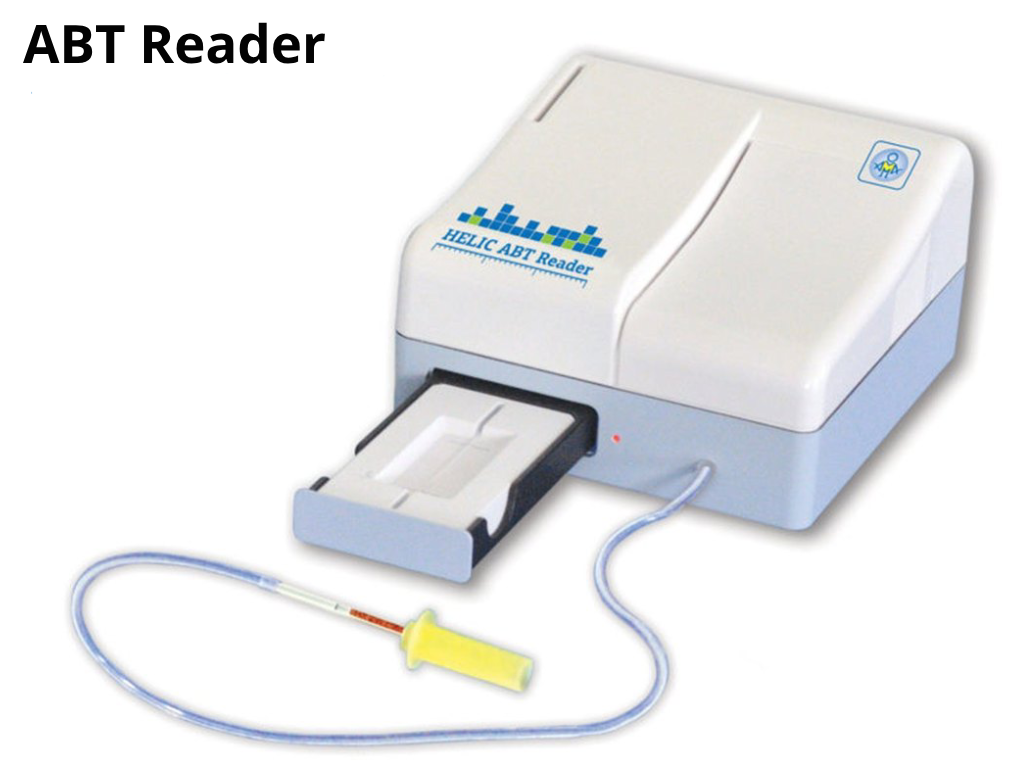
Related equipment: Digitrapper Recorder pH-Z, Compass 2000, Fibroscan 630 Expert, H PYLORI BREATH TEST
Further reading: Advancements in Endoscopic Ultrasound for Gastrointestinal Disorders
Explore Kanlife's range of diagnostic equipment, including the Compass 2000, to enhance your decentralized testing capabilities. Get in touch with us today!
Frequently asked questions
What is the Compass 2000?
The Compass 2000 is a portable point-of-care testing device designed for decentralized gastroenterology practices, analyzing up to 12 biochemistry parameters.
How does the Compass 2000 work?
The Compass 2000 uses dry-chemistry test cards to analyze small samples, providing rapid results on a 4.3-inch touchscreen interface.
Where is the Compass 2000 used?
The Compass 2000 is used in various settings, including remote clinics, community health camps, and decentralized testing environments.
What are the benefits of using the Compass 2000?
Benefits include improved patient access, rapid results, cost-effectiveness, and enhanced patient experience.
What are the limitations of the Compass 2000?
Limitations include the need for staff training, specific test parameters, and the necessity of regular quality control.