Advancements in Non-Invasive Monitoring Techniques for Pediatric Anesthesia
Introduction
In the realm of pediatric anesthesia, patient safety is paramount. As healthcare providers strive to minimize risk while ensuring effective anesthesia, advancements in non-invasive monitoring techniques have emerged as a pivotal development. This article delves into the latest innovations in non-invasive monitoring, highlighting their significance in enhancing patient safety during pediatric anesthesia procedures.
Understanding Non-Invasive Monitoring
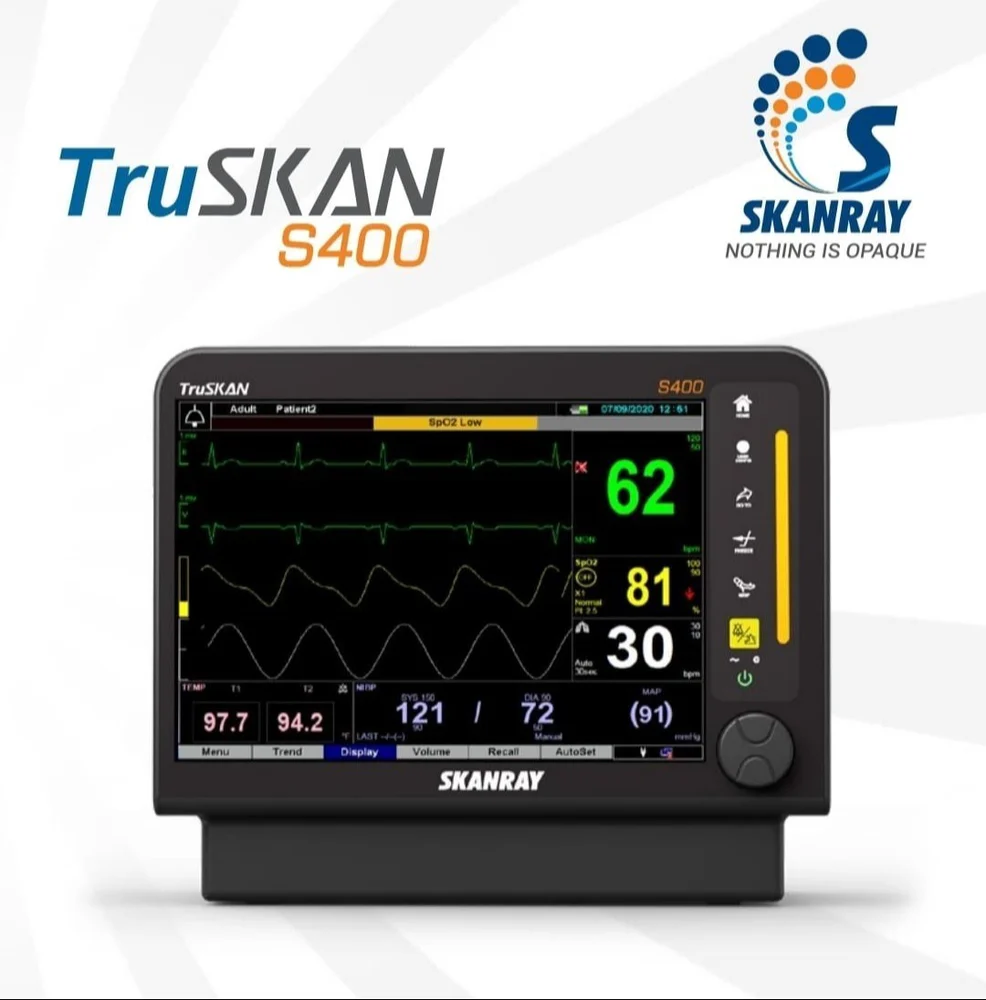
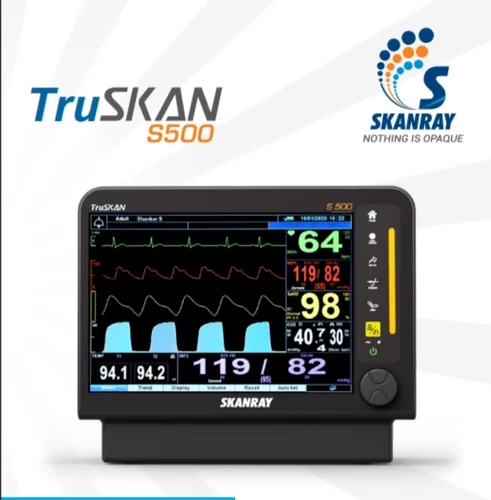
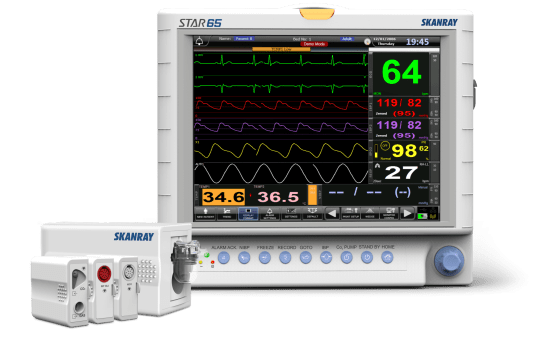
Non-invasive monitoring refers to techniques that allow healthcare providers to assess a patient's physiological status without the need for invasive procedures. In pediatric anesthesia, these techniques are crucial due to the unique physiological and psychological needs of children. Non-invasive monitoring includes methods such as pulse oximetry, capnography, and non-invasive blood pressure measurement, all of which provide real-time data that can guide anesthetic management. These techniques are particularly valuable in pediatrics, where the physiological responses to anesthesia can differ significantly from adults. For example, children may experience variations in heart rate and blood pressure in response to anesthetic agents, making continuous monitoring vital for safe anesthesia.
Technological Advancements in Non-Invasive Monitoring
Recent technological advancements have significantly improved the efficacy and reliability of non-invasive monitoring techniques in pediatric anesthesia. These innovations include:
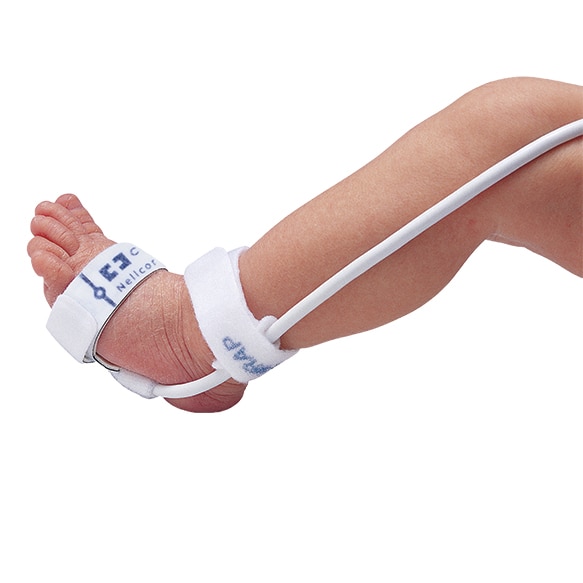
- Advanced Pulse Oximetry: New pulse oximeters utilize advanced algorithms to provide accurate readings even in patients with low perfusion or motion artifacts. This is particularly beneficial in pediatric patients who may be restless or have small peripheral vessels. Additionally, some devices now feature dual-wavelength technology to enhance accuracy in diverse skin tones.
- Capnography Enhancements: The latest capnometers are designed to deliver precise end-tidal CO2 measurements, which are essential for assessing ventilation in pediatric patients. Continuous monitoring of CO2 levels helps in early detection of respiratory complications. Innovations such as handheld capnometers have made it easier to monitor patients in various settings, including preoperative and postoperative care.
- Non-Invasive Hemodynamic Monitoring: Emerging technologies allow for non-invasive assessment of cardiac output and blood pressure using techniques such as oscillometry and bioimpedance. These methods provide valuable insights into the hemodynamic status of pediatric patients without the risks associated with invasive lines. Furthermore, the integration of monitoring devices with mobile applications can enable real-time data tracking, facilitating better clinical decision-making.
Clinical Applications in Pediatric Anesthesia
The application of non-invasive monitoring techniques in pediatric anesthesia extends across various clinical scenarios:
- Preoperative Assessment: Non-invasive monitoring can help assess baseline physiological parameters, enabling anesthesiologists to tailor their approach based on individual patient needs. For instance, understanding a child's baseline respiratory rate and oxygen saturation can guide the choice of anesthetic agents and techniques.
- Intraoperative Monitoring: Continuous non-invasive monitoring during surgery enhances patient safety by providing real-time data on vital signs, allowing for prompt intervention if abnormalities arise. For example, sudden drops in oxygen saturation can indicate airway obstruction, prompting immediate corrective measures.
- Postoperative Care: Non-invasive monitoring techniques play a vital role in the postoperative phase, where ongoing assessment of respiratory and cardiovascular status is necessary to ensure a smooth recovery. Continuous monitoring can help identify complications such as postoperative nausea and vomiting or respiratory depression, enabling timely intervention.
Benefits of Non-Invasive Monitoring Techniques
The integration of non-invasive monitoring in pediatric anesthesia offers numerous benefits:
- Enhanced Safety: By minimizing the need for invasive procedures, non-invasive monitoring reduces the risk of complications such as infection, bleeding, and discomfort in pediatric patients. This is particularly important in children who may have heightened anxiety about medical procedures.
- Real-Time Data: Continuous monitoring provides anesthesiologists with immediate feedback on a patient’s physiological status, facilitating timely decision-making and intervention. This capability is crucial in managing unexpected events during surgery.
- Improved Patient Experience: Non-invasive techniques are generally more comfortable for pediatric patients, helping to alleviate anxiety associated with medical procedures. For example, the absence of needles or invasive lines can make the perioperative experience less traumatic for children and their families.
Considerations and Limitations
While non-invasive monitoring techniques offer significant advantages, it is essential to acknowledge their limitations:
- Accuracy Concerns: Factors such as skin pigmentation, motion, and peripheral perfusion can affect the accuracy of non-invasive monitoring devices. Anesthesiologists must remain vigilant and consider these factors when interpreting data. For instance, low perfusion states can lead to falsely low oxygen saturation readings, necessitating clinical correlation with other parameters.
- Training and Familiarization: Healthcare providers must be adequately trained to use new monitoring technologies effectively. Familiarity with the devices and their limitations is crucial for optimal patient care. Regular training sessions and simulations can help ensure that staff are proficient in using these technologies.
- Resource Availability: Access to advanced non-invasive monitoring technologies may vary by institution, which can impact the consistency of care across different healthcare settings. Institutions with limited resources may need to prioritize the acquisition of essential monitoring devices based on patient population needs.
Practical Considerations for Implementation
Implementing non-invasive monitoring techniques in pediatric anesthesia involves several practical considerations. First, healthcare facilities must assess the compatibility of new monitoring technologies with existing systems. Integration with electronic health records (EHR) can streamline data management and enhance clinical workflows. Additionally, establishing protocols for the use of non-invasive monitoring devices can ensure consistency in practice. For instance, protocols should outline when to initiate monitoring, how to interpret data, and the steps to take in response to abnormal readings. Furthermore, engaging multidisciplinary teams, including anesthesiologists, nurses, and biomedical engineers, can facilitate effective implementation and ongoing evaluation of non-invasive monitoring practices.
Comparison with Alternative Approaches
When considering monitoring techniques in pediatric anesthesia, it is essential to compare non-invasive methods with traditional invasive approaches. Invasive monitoring, such as arterial lines and central venous catheters, provides highly accurate measurements of blood pressure, cardiac output, and other critical parameters. However, these techniques carry risks, including infection, thrombosis, and discomfort for the patient. Non-invasive methods, while generally safer, may not always provide the same level of precision. For example, while non-invasive blood pressure cuffs are effective, they can be less accurate in patients with significant blood pressure fluctuations. Therefore, the choice between non-invasive and invasive monitoring should be guided by the clinical scenario, patient condition, and the specific information required for optimal anesthetic management.
Future Directions in Non-Invasive Monitoring for Pediatric Anesthesia
The future of non-invasive monitoring in pediatric anesthesia looks promising, with ongoing research and development aimed at improving existing technologies and introducing novel approaches. Potential advancements may include:
- Wearable Monitoring Devices: The development of wearable technology that continuously monitors vital signs could revolutionize pediatric anesthesia, allowing for remote monitoring and early detection of complications. These devices could integrate with smartphones or tablets, enabling parents to stay informed during procedures.
- Integration with Artificial Intelligence: AI-driven analytics could enhance the interpretation of non-invasive monitoring data, providing predictive insights that support clinical decision-making. For example, machine learning algorithms could analyze patterns in vital sign data to predict potential complications before they arise.
- Personalized Monitoring Solutions: Future innovations may focus on tailoring monitoring techniques to individual patient profiles, optimizing safety and efficacy based on specific needs and risk factors. This could involve the use of genetic information or previous medical history to inform monitoring strategies.
Conclusion
Advancements in non-invasive monitoring techniques have transformed pediatric anesthesia, enhancing patient safety and improving clinical outcomes. As technology continues to evolve, the integration of these techniques into practice will play a crucial role in delivering high-quality anesthesia care to pediatric patients. By staying informed about the latest innovations, healthcare providers can ensure that they are equipped to provide the safest and most effective anesthesia care for children.
This article is for informational purposes only and is not a substitute for professional medical advice. Always consult with a qualified healthcare provider regarding medical conditions and treatment options.
To learn more about the latest advancements in non-invasive monitoring techniques and explore Kanlife's range of pediatric anesthesia equipment, please visit our website or contact us today.
Frequently asked questions
What is non-invasive monitoring in pediatric anesthesia?
Non-invasive monitoring in pediatric anesthesia refers to techniques that assess a child's physiological status without invasive procedures, enhancing safety and comfort.
How do non-invasive monitoring techniques improve patient safety?
These techniques provide real-time data on vital signs, allowing for prompt intervention and minimizing the risks associated with invasive monitoring.
What are the benefits of using non-invasive monitoring in children?
Benefits include enhanced safety, real-time feedback for clinicians, and improved patient comfort during anesthesia procedures.
What limitations exist with non-invasive monitoring techniques?
Limitations include potential accuracy concerns due to external factors and the need for proper training of healthcare providers.
What is the future of non-invasive monitoring in pediatric anesthesia?
The future may include wearable devices, AI-driven analytics, and personalized monitoring solutions to further enhance patient care.