The Impact of Endoscopic Accessories on Procedure Efficiency in Gastroenterology
Introduction
In the field of gastroenterology, the use of endoscopic procedures has become increasingly prevalent for diagnosing and treating various gastrointestinal conditions. The efficiency of these procedures is significantly influenced by the quality and functionality of endoscopic accessories. This article explores the impact of endoscopic accessories on procedure efficiency in gastroenterology, highlighting their importance in clinical outcomes. The integration of these accessories not only streamlines the procedural workflow but also enhances the safety and effectiveness of interventions.
Understanding Endoscopic Accessories
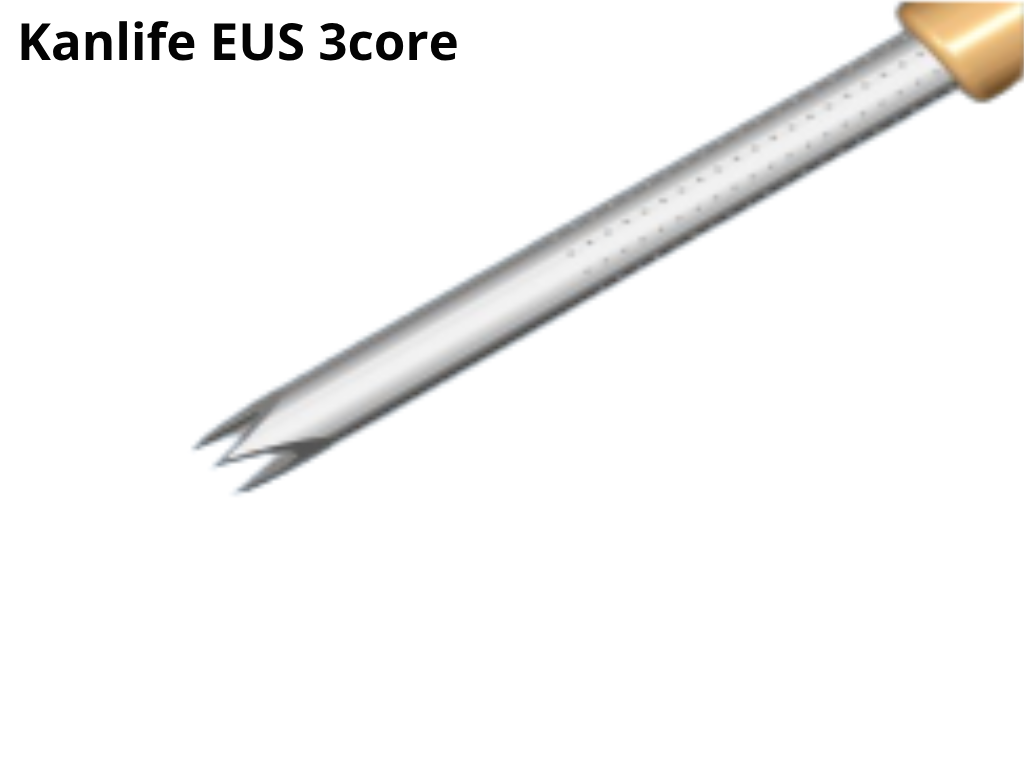
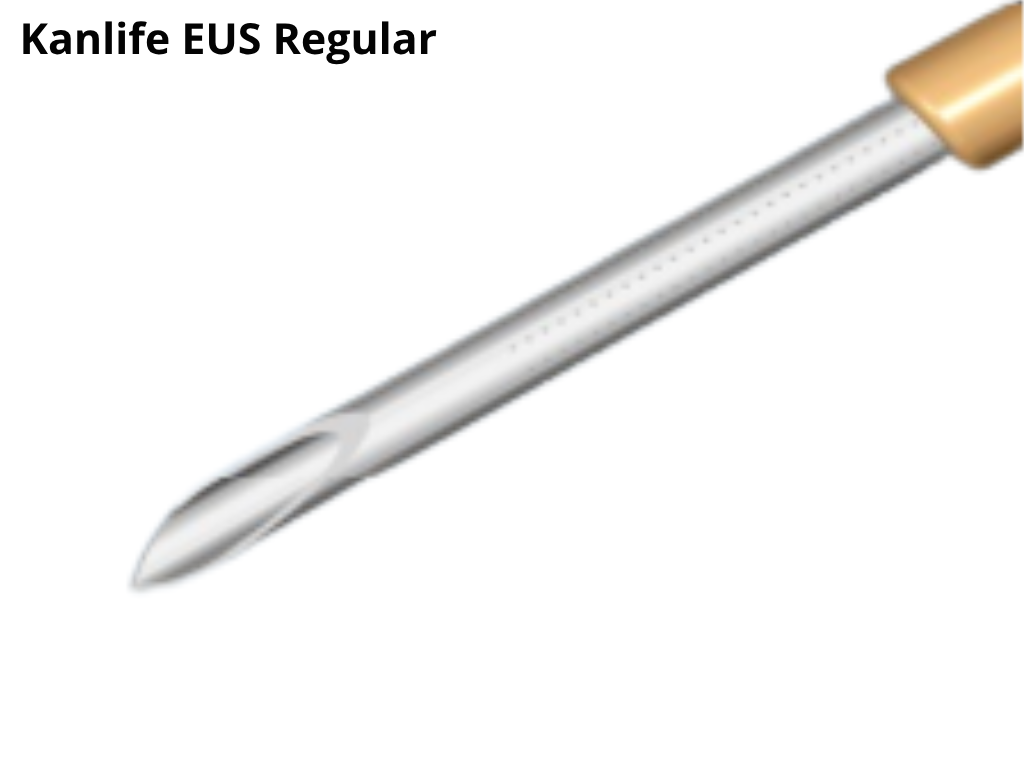
Endoscopic accessories encompass a wide range of tools and devices that aid in the performance of endoscopic procedures. These include biopsy forceps, snares, balloon dilators, and clips, among others. Each accessory is designed to facilitate specific tasks, such as tissue sampling, lesion removal, or hemostasis. The selection of appropriate endoscopic accessories is crucial for optimizing procedural outcomes. For instance, choosing the right size and type of biopsy forceps can significantly influence the quality of tissue samples obtained, which in turn impacts diagnostic accuracy. Furthermore, advancements in materials and design have led to accessories that are more durable and easier to manipulate, thereby improving the overall procedural experience for both patients and healthcare providers.
Key Types of Endoscopic Accessories
- Biopsy Forceps: Used for obtaining tissue samples from lesions or abnormal areas within the gastrointestinal tract. Their design varies to accommodate different tissue types and sizes.
- Snare Devices: Employed for the removal of polyps or other growths during endoscopic procedures, allowing for precise excision with minimal surrounding tissue damage.
- Balloon Dilators: Utilized for dilating strictures or narrowing in the gastrointestinal tract, enhancing passage and improving patient comfort.
- Hemostasis Clips: Effective in achieving hemostasis during endoscopic interventions, these clips can be deployed quickly to manage bleeding and reduce complications.
Enhancing Procedure Efficiency
The integration of high-quality endoscopic accessories can significantly enhance the efficiency of gastroenterology procedures. Here are several ways in which they contribute to improved procedural outcomes:
1. Reduced Procedure Time
Efficient use of endoscopic accessories can streamline procedures, reducing the overall time spent in the operating room. For instance, the use of advanced biopsy forceps that allow for easier and quicker tissue retrieval can minimize delays, leading to more efficient workflows. Additionally, accessories that are designed for rapid deployment and retraction can help minimize interruptions during procedures, allowing gastroenterologists to maintain a steady pace. Moreover, the ability to quickly switch between different accessories without excessive downtime is crucial in busy clinical settings, where time management is essential.
2. Improved Accuracy
High-quality endoscopic accessories are designed to provide precision in various tasks. For example, specialized snares can increase the accuracy of polyp removal, thus reducing the likelihood of complications and the need for repeat procedures. The precision provided by these accessories not only enhances the effectiveness of the procedure but also contributes to better long-term patient outcomes by ensuring complete removal of lesions. Furthermore, the availability of accessories with enhanced visualization capabilities, such as those that incorporate advanced imaging technologies, allows for better localization and assessment of lesions, further improving diagnostic accuracy.
3. Enhanced Safety
Safety is a paramount concern in gastroenterology procedures. Accessories such as hemostasis clips play a crucial role in preventing bleeding during and after endoscopic interventions. The ability to quickly and effectively manage complications contributes to overall patient safety and satisfaction. Moreover, the use of accessories that minimize trauma to surrounding tissues can further reduce the risk of adverse events, thereby improving the overall safety profile of endoscopic procedures. Training staff on the proper use of these accessories is vital to ensure that safety protocols are followed, minimizing the risk of complications.
Clinical Applications of Endoscopic Accessories
Endoscopic accessories are employed in a variety of clinical scenarios within gastroenterology. Their applications include:
- Polypectomy: The use of snares and biopsy forceps for the removal of polyps, which is critical in preventing colorectal cancer.
- Stricture Dilation: Balloon dilators are commonly used to treat strictures in the esophagus or colon, thereby improving patient comfort and swallowing ability.
- Tissue Biopsy: Biopsy forceps facilitate the collection of tissue samples for histopathological examination, aiding in the diagnosis of various conditions.
- Hemostasis: Clips and other accessories are utilized to control bleeding during endoscopic procedures, enhancing patient safety.
Practical Considerations for Using Endoscopic Accessories
When utilizing endoscopic accessories, several practical considerations should be taken into account to maximize their effectiveness and ensure patient safety. First, the proper handling and manipulation of these accessories are crucial. Endoscopists must be well-trained in the use of each accessory to avoid complications such as accidental perforation or incomplete resection. Additionally, familiarity with the specific characteristics of each accessory, including its flexibility and grip strength, can enhance performance during procedures. Moreover, the compatibility of accessories with various endoscopic systems is an important factor to consider. Ensuring that the selected accessories are suitable for the endoscope being used can prevent operational issues that may arise from mismatched equipment. Lastly, regular maintenance and sterilization of endoscopic accessories are essential practices to prevent infection and ensure optimal functionality. Proper storage and handling protocols should also be established to maintain the integrity of the accessories.
Comparison with Alternative Approaches
While endoscopic accessories significantly enhance the efficiency of gastroenterology procedures, alternative approaches also warrant consideration. For instance, traditional surgical methods, such as open surgery or laparoscopic techniques, may be necessary in certain complex cases. However, these methods often involve longer recovery times and increased patient morbidity compared to endoscopic procedures. Furthermore, advancements in technology have led to the development of robotic-assisted endoscopy, which aims to improve precision and control during procedures. While robotic systems offer benefits, they also come with higher costs and may require additional training for the surgical team. Ultimately, the choice between endoscopic accessories and alternative approaches should be guided by the specific clinical scenario, patient factors, and the expertise of the medical team. Understanding the strengths and limitations of each approach allows for better decision-making in patient care.
Considerations and Limitations
While endoscopic accessories enhance procedure efficiency, several considerations must be taken into account:
- Selection of Accessories: The choice of accessories should be tailored to the specific procedure and patient needs. Inappropriate selection can lead to complications.
- Training and Expertise: Proper training and familiarity with the use of endoscopic accessories are essential for maximizing their benefits. Continuous education and hands-on practice are recommended.
- Cost Implications: High-quality accessories may come at a premium, and healthcare facilities must balance cost-effectiveness with clinical outcomes. Budget constraints can impact the availability of the best tools.
- Regulatory Compliance: Ensuring that all accessories meet regulatory standards is crucial for patient safety and legal compliance. Facilities must stay updated on the latest regulations regarding medical devices.
Conclusion
Endoscopic accessories play a vital role in enhancing the efficiency of gastroenterology procedures. By reducing procedure time, improving accuracy, and enhancing safety, these accessories contribute significantly to better clinical outcomes. As technology continues to advance, the development of innovative endoscopic accessories will likely further improve procedural efficiency in the field of gastroenterology. The commitment to ongoing training and adherence to best practices will ensure that healthcare providers can leverage these tools effectively for optimal patient care.
This article is for informational purposes only and is not a substitute for professional medical advice. Always consult a qualified healthcare provider for medical concerns.
To explore a wide range of endoscopic accessories and learn how they can enhance your gastroenterology practice, visit Kanlife Group or get in touch with our expert team today.
Frequently asked questions
What are endoscopic accessories?
Endoscopic accessories are specialized tools used during endoscopic procedures to aid in tasks such as biopsy, polypectomy, and hemostasis.
How do endoscopic accessories improve procedure efficiency?
They enhance procedure efficiency by reducing procedure time, improving accuracy, and increasing patient safety during interventions.
Where are endoscopic accessories commonly used?
Endoscopic accessories are commonly used in gastroenterology for procedures such as polypectomy, stricture dilation, and tissue biopsy.
What considerations should be taken when using endoscopic accessories?
Considerations include the selection of appropriate accessories, the need for proper training, and cost implications.