Exploring the Use of Anesthesia in Outpatient Endoscopic Procedures: Benefits and Best Practices
Introduction
Outpatient endoscopic procedures have become increasingly common in modern healthcare, offering patients the advantage of receiving care without the need for overnight hospitalization. The integration of effective anesthesia practices in these procedures is essential for ensuring patient comfort, safety, and the overall success of the procedure. This article delves into the benefits and best practices associated with anesthesia in outpatient endoscopy, providing valuable insights for healthcare professionals.
Understanding Outpatient Endoscopy
Outpatient endoscopy encompasses a variety of minimally invasive procedures, including esophagogastroduodenoscopy (EGD), colonoscopy, and endoscopic retrograde cholangiopancreatography (ERCP). These procedures are typically performed in outpatient settings, allowing patients to recover at home shortly after the intervention. Given the nature of these procedures, appropriate anesthesia practices are crucial to enhance patient experience and ensure safety. The outpatient model not only reduces healthcare costs but also aligns with patient preferences for convenience and comfort. As a result, the demand for outpatient endoscopic procedures has risen, necessitating a thorough understanding of anesthesia's role in optimizing these interventions.
The Role of Anesthesia in Outpatient Endoscopic Procedures
Anesthesia in outpatient endoscopy serves several key functions:
- Patient Comfort: Effective anesthesia alleviates pain and anxiety, making the procedure more tolerable for patients. This is particularly important in procedures that may induce discomfort, such as colonoscopy.
- Procedure Efficiency: By ensuring patients are relaxed and comfortable, anesthesia can facilitate smoother and quicker procedures. Anesthesia can help reduce movement, which is critical during delicate endoscopic maneuvers.
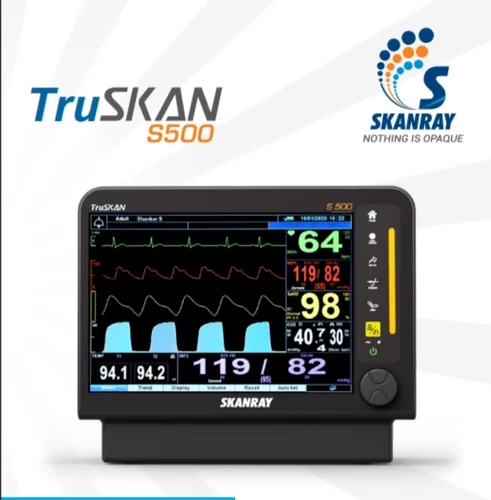
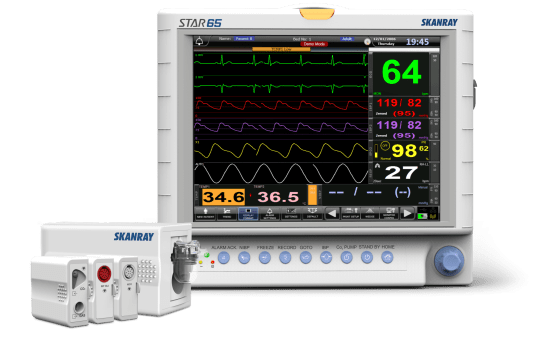
- Safety Monitoring: Anesthesia allows for continuous monitoring of vital signs, ensuring patient safety throughout the procedure. This monitoring is vital for detecting any adverse reactions to anesthesia or the procedure itself.
Types of Anesthesia Used in Outpatient Endoscopy
There are several types of anesthesia that can be utilized during outpatient endoscopic procedures, each with its own indications and benefits:
- Local Anesthesia: Often used for procedures that are less invasive, local anesthesia numbs only the area being treated, allowing the patient to remain awake and aware. This approach is often used in upper endoscopies where minimal discomfort is anticipated.
- Conscious Sedation: This method combines a sedative with a local anesthetic, providing patients with a relaxed state while still being able to respond to verbal commands. This technique is commonly employed during colonoscopies, where patient cooperation is necessary.
- General Anesthesia: In more complex cases, general anesthesia may be used, rendering the patient completely unconscious. This is typically reserved for procedures that are longer or more invasive, such as complex ERCPs.
Benefits of Anesthesia in Outpatient Endoscopy
The incorporation of anesthesia into outpatient endoscopic procedures presents numerous benefits:
- Improved Patient Experience: Patients often report higher satisfaction levels when procedures are performed under anesthesia, as discomfort and anxiety are minimized. A positive experience can lead to better compliance with follow-up procedures.
- Enhanced Safety: Anesthesia allows for vigilant monitoring of the patient's physiological responses, enabling immediate intervention if complications arise. This is particularly important considering the varying responses patients may have to anesthesia and procedures.
- Increased Procedure Success Rates: By ensuring patient comfort and cooperation, anesthesia contributes to better procedural outcomes and reduces the likelihood of repeat procedures. Successful completion of the procedure on the first attempt is crucial for patient management and satisfaction.
Best Practices for Anesthesia in Outpatient Endoscopy
To maximize the benefits of anesthesia in outpatient endoscopy, healthcare providers should consider the following best practices:
- Pre-Procedure Assessment: Conduct comprehensive evaluations of patients' medical histories, allergies, and current medications to tailor anesthesia plans accordingly. This assessment should also include a review of any previous anesthesia experiences, as this can inform the choice of anesthetic technique.
- Informed Consent: Ensure patients are fully informed about the anesthesia options available and the associated risks, allowing them to make educated decisions. Clear communication about what to expect during the procedure can alleviate anxiety.
- Multidisciplinary Collaboration: Foster communication between anesthesiologists, gastroenterologists, and nursing staff to coordinate care and optimize patient outcomes. Regular interdisciplinary meetings can enhance understanding and streamline care protocols.
- Post-Procedure Monitoring: Implement protocols for monitoring patients in the recovery area to promptly address any adverse reactions or complications. This includes assessing patients for sedation recovery and ensuring they meet discharge criteria before leaving.
Practical Considerations for Anesthesia Administration
When administering anesthesia in outpatient endoscopic procedures, several practical considerations must be taken into account to ensure optimal outcomes:
- Staff Training: All personnel involved in administering anesthesia should receive comprehensive training in sedation protocols and emergency procedures. Regular drills can help maintain readiness for unexpected situations.
- Equipment Readiness: Ensure that all necessary equipment, such as monitoring devices and emergency resuscitation tools, are readily available and in good working condition. Routine checks and maintenance of equipment are crucial for patient safety.
- Patient Positioning: Proper positioning of the patient during the procedure can enhance both comfort and access for the endoscopist. This should be assessed and adjusted as needed based on the specific procedure being performed.
- Recovery Protocols: Establish clear recovery protocols that include criteria for discharge, follow-up instructions, and guidelines for patients to recognize signs of complications post-procedure.
Patient Safety Considerations
Patient safety is paramount in outpatient endoscopic procedures. Implementing stringent safety protocols is essential:
- Emergency Preparedness: Ensure that all staff are trained to handle potential emergencies, including allergic reactions or respiratory complications. Regular training sessions can help reinforce these skills.
- Monitoring Equipment: Utilize appropriate monitoring devices to track vital signs and detect any changes during the procedure. Continuous pulse oximetry and capnography are often employed to ensure patient safety.
- Post-Procedure Instructions: Provide clear instructions for patients regarding recovery, potential side effects, and when to seek medical attention. Written materials can enhance understanding and compliance.
Conclusion
The use of anesthesia in outpatient endoscopic procedures is essential for enhancing patient comfort, safety, and overall satisfaction. By understanding the benefits and adhering to best practices, healthcare providers can ensure effective procedure management and optimal outcomes for their patients. As the field of outpatient endoscopy continues to evolve, ongoing education and collaboration among healthcare professionals will be vital in maintaining high standards of care.
This article is for educational purposes only and is not a substitute for professional medical advice. Always consult a healthcare professional for medical concerns.
Explore Kanlife's range of anesthesia equipment and resources to support your outpatient endoscopy practices. Get in touch with us today!
Frequently asked questions
What is outpatient endoscopy?
Outpatient endoscopy refers to minimally invasive procedures performed in an outpatient setting, allowing patients to return home the same day.
How does anesthesia work in outpatient endoscopy?
Anesthesia in outpatient endoscopy helps manage pain and anxiety, ensuring patient comfort and safety during the procedure.
What are the benefits of using anesthesia in outpatient endoscopy?
Benefits include improved patient experience, enhanced safety through monitoring, and increased success rates of procedures.
What types of anesthesia are used in outpatient endoscopy?
Common types include local anesthesia, conscious sedation, and general anesthesia, depending on the procedure's complexity.
How can healthcare providers ensure patient safety during outpatient endoscopy?
Healthcare providers can ensure safety by conducting thorough pre-procedure assessments, monitoring patients closely, and being prepared for emergencies.