Why Hospitals are Choosing the VNG Infant ICU Incubator 3000 for Neonatal Care
Introduction to Neonatal Care in the NICU
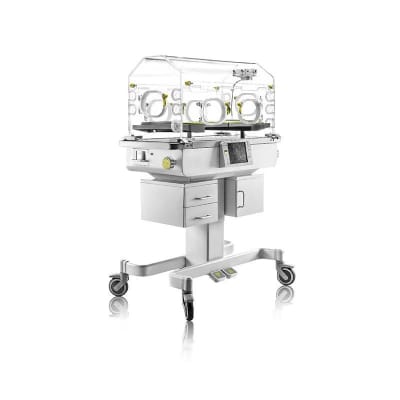
Neonatal care is a critical component of pediatric medicine, particularly in the Neonatal Intensive Care Unit (NICU), where premature and critically ill infants require specialized equipment to thrive. The environment in which these vulnerable patients are nurtured can significantly impact their health outcomes. Hospitals are continually seeking advanced solutions to enhance neonatal care, and the VNG Infant ICU Incubator 3000 has emerged as a leading choice among healthcare institutions. This incubator is designed to provide a stable microenvironment, which is essential for the delicate physiological balance required by neonates.
Features of the VNG Infant ICU Incubator 3000
The VNG Infant ICU Incubator 3000 is designed with the unique needs of neonates in mind. Its key features include:
- Air- and Skin-Mode Servo Temperature Control: This ensures a stable microclimate, crucial for maintaining the infant's body temperature. The ability to switch between air and skin modes allows for tailored thermal regulation based on the infant's condition.
- Optional Servo Humidity Control: Operating between 30–95% relative humidity, it includes a 24-hour reservoir capacity, which is vital for preventing dehydration in neonates. Proper humidity levels help maintain skin integrity and reduce the risk of heat loss.
- Optional Servo Oxygen Control: This feature allows for precise oxygen delivery, with settings ranging from 21–65% FiO2, supporting infants with respiratory challenges. This is particularly beneficial for those with conditions like bronchopulmonary dysplasia.
- Integrated Weighing Scale: The built-in scale accommodates infants weighing between 300g to 8kg, providing accurate measurements with 1g resolution. This feature is essential for monitoring growth and adjusting nutritional support accordingly.
- Low Operating Noise: With a noise level of ≤45dBA, the incubator minimizes disturbances, creating a calmer environment for the infant. Noise reduction is critical as excessive noise can lead to stress and hinder development in neonates.
- Tiltable Soft-Bed Mattress: The mattress can be adjusted by ±12°, aiding in optimal positioning for care and comfort. Proper positioning can help prevent complications such as positional plagiocephaly and enhance respiratory function.
Clinical Applications of the VNG Infant ICU Incubator 3000
The clinical applications of the VNG Infant ICU Incubator 3000 are vast. It is primarily used in NICUs for:
- Support of Premature Infants: The incubator provides a controlled environment that is essential for the growth and development of premature infants. These infants often face challenges such as thermoregulation and respiratory support, which the incubator effectively addresses.
- Management of Neonatal Conditions: Conditions such as respiratory distress syndrome and hypothermia are effectively managed within the incubator's stable microclimate. The incubator's features facilitate the treatment of these conditions by maintaining optimal thermal and humidity levels.
- Monitoring and Assessment: The integrated weighing scale allows for continuous monitoring of the infant's weight, which is crucial for assessing growth and health status. Regular weight checks are vital in determining the effectiveness of feeding protocols and overall health.
Why Hospitals Prefer the VNG Infant ICU Incubator 3000
Hospitals are increasingly choosing the VNG Infant ICU Incubator 3000 due to its comprehensive features that enhance neonatal care:
- Enhanced Patient Outcomes: The incubator's precise control over temperature, humidity, and oxygen levels contributes to better health outcomes for neonates. Studies have shown that maintaining these parameters can significantly reduce the incidence of complications in premature infants.
- Ease of Use: Its intuitive design allows healthcare professionals to operate it efficiently, ensuring that they can focus more on patient care rather than equipment management. User-friendly interfaces are crucial in high-stress environments like the NICU.
- Durability and Reliability: The VNG brand is known for producing high-quality medical equipment that withstands the rigors of a busy NICU environment. Long-lasting equipment minimizes downtime and maintenance costs, which is essential for hospitals operating under tight budgets.
Procurement Considerations for Hospitals
When considering the purchase of a NICU incubator, several factors come into play:
- Cost-Effectiveness: While the initial investment is significant, the long-term benefits in patient outcomes can justify the expense. Hospitals should perform a cost-benefit analysis to evaluate the potential return on investment.
- After-Sales Support: Hospitals should evaluate the manufacturer's support services, including maintenance and training for staff. Reliable after-sales service ensures that hospitals can maintain the incubator's functionality and address issues promptly.
- Integration with Existing Systems: Ensuring that the incubator can seamlessly integrate with other hospital systems is crucial for operational efficiency. Compatibility with electronic health records (EHR) and monitoring systems can streamline workflows.
Deployment and Setup of the VNG Infant ICU Incubator 3000
The deployment of the VNG Infant ICU Incubator 3000 requires careful planning:
- Site Preparation: The incubator should be placed in a location that minimizes noise and maximizes accessibility for healthcare providers. Proper placement ensures that staff can quickly respond to the needs of the infants.
- Training for Staff: Comprehensive training on the incubator's features and operation is essential to ensure optimal use and patient safety. Regular training sessions can help staff stay updated on best practices and new features.
Practical Considerations for Using the VNG Infant ICU Incubator 3000
When utilizing the VNG Infant ICU Incubator 3000, healthcare providers must consider several practical aspects to ensure optimal performance:
- Regular Calibration and Maintenance: To maintain accuracy in temperature and humidity control, regular calibration of the incubator is essential. Scheduled maintenance checks can prevent unexpected failures and ensure the unit operates within specified parameters.
- Environmental Control in the NICU: The overall NICU environment should be conducive to the incubator's function. This includes minimizing drafts, controlling ambient temperature, and reducing noise levels to create a stable environment for neonates.
- Staff Training and Protocol Adherence: Continuous education and adherence to established protocols are vital in ensuring that all staff members are competent in operating the incubator and responding to any potential issues.
Comparison with Alternative Approaches
While the VNG Infant ICU Incubator 3000 offers numerous benefits, it is essential to compare it with alternative approaches to neonatal care:
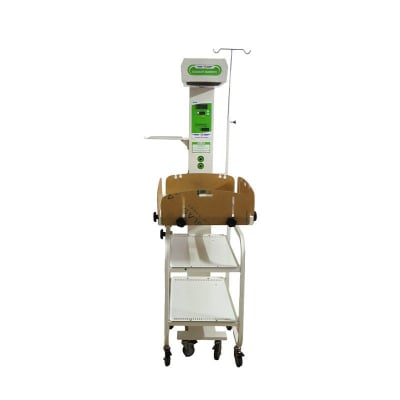
- Open Warmers: Open warmers provide immediate access to the infant for procedures but lack the controlled environment that incubators provide. They are typically used for short-term care, whereas incubators are better suited for prolonged support.
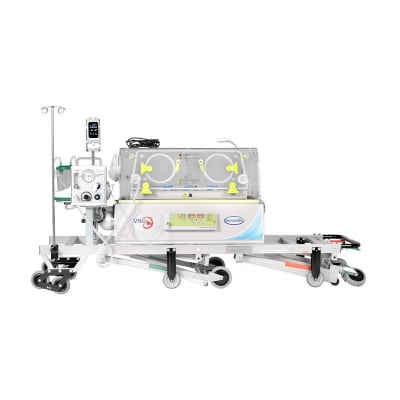
- Transport Incubators: While transport incubators are designed for mobility, they may not offer the same level of environmental control as the VNG incubator. The choice between these devices often depends on the specific needs of the infant and the clinical scenario.
- Standard Cribs: Standard cribs may be suitable for stable infants but do not provide the thermal and humidity control necessary for premature or critically ill neonates. The VNG incubator's capabilities make it a superior choice for complex cases.
Conclusion
The VNG Infant ICU Incubator 3000 stands out as a premier choice for hospitals dedicated to providing exceptional neonatal care. Its advanced features and thoughtful design ensure that healthcare providers can create a nurturing environment for the most vulnerable patients. By investing in this advanced NICU incubator, hospitals can enhance their care capabilities and improve outcomes for neonates.
Clinical and diagnostic decisions should always follow your institution's protocols and the product's instructions for use.
Explore Kanlife's selection of the VNG Infant ICU Incubator 3000 and other essential neonatal care equipment. Request a quote today or get in touch with our team for more information!
Frequently asked questions
What is the VNG Infant ICU Incubator 3000?
The VNG Infant ICU Incubator 3000 is a specialized incubator designed for neonatal care, providing controlled temperature, humidity, and oxygen levels.
How does the VNG Infant ICU Incubator 3000 work?
It utilizes air- and skin-mode servo temperature control and optional features like humidity and oxygen control to maintain a stable microclimate for infants.
Where is the VNG Infant ICU Incubator 3000 used?
It is primarily used in Neonatal Intensive Care Units (NICUs) to support premature and critically ill infants.
What should I look for when buying a NICU incubator?
Consider features like temperature and humidity control, ease of use, after-sales support, and integration with existing systems.
How much does the VNG Infant ICU Incubator 3000 cost?
Pricing can vary based on features and configurations; it's best to contact Kanlife for a detailed quote.