Innovative Approaches to Managing Anesthesia in Patients with Comorbidities: A Focus on Liver Disease
Understanding the Challenges of Anesthesia in Patients with Liver Disease
Managing anesthesia in patients with liver disease presents unique challenges due to the liver's critical role in drug metabolism and clearance. Liver dysfunction can significantly alter pharmacokinetics, leading to increased sensitivity to anesthetic agents and a higher risk of adverse effects. Patients with comorbidities such as cardiovascular disease, diabetes, or respiratory issues further complicate anesthesia management, necessitating a tailored approach to ensure patient safety and optimal outcomes. For instance, impaired liver function can result in prolonged effects of anesthetic agents, necessitating careful monitoring and adjustment of dosages to prevent toxicity. Additionally, the presence of ascites or portal hypertension can influence airway management and fluid resuscitation strategies, making individualized assessment paramount.
Innovative Anesthesia Techniques
Recent advancements in anesthesia techniques have provided new avenues for managing patients with liver disease and comorbidities. These innovations aim to minimize the impact of anesthesia on liver function while ensuring adequate sedation and analgesia. Key techniques include:
- Regional Anesthesia: Utilizing regional anesthesia techniques, such as nerve blocks or epidural anesthesia, can reduce the need for systemic anesthetics, thereby minimizing hepatic metabolism and potential toxicity. This approach is particularly beneficial in procedures involving the lower body, where regional techniques can provide sufficient analgesia without the systemic effects of general anesthesia. Studies have shown that regional anesthesia can significantly reduce postoperative pain, leading to decreased opioid requirements and faster recovery times.
- Target-Controlled Infusion (TCI): TCI systems allow for precise delivery of anesthetic agents, adjusting the infusion rate based on real-time pharmacokinetic data. This is particularly beneficial for patients with altered liver function, as it helps to maintain optimal drug levels while reducing the risk of accumulation and adverse effects. Furthermore, TCI can facilitate smoother transitions during induction and emergence from anesthesia, enhancing overall patient experience.
- Ultrasound-Guided Techniques: The use of ultrasound for guiding regional anesthesia can enhance the accuracy and effectiveness of nerve blocks. This technique reduces the volume of anesthetic required and improves patient comfort by minimizing the risk of complications associated with blind techniques. Moreover, ultrasound guidance can help visualize vascular structures, reducing the risk of hematoma formation and other complications in patients with coagulopathy or liver dysfunction.
Patient Safety Considerations
Ensuring patient safety is paramount when managing anesthesia in individuals with liver disease and comorbidities. Several strategies can enhance safety during the perioperative period:
- Preoperative Assessment: Comprehensive preoperative evaluations, including liver function tests and assessments of comorbid conditions, are crucial for identifying potential risks and tailoring anesthesia plans accordingly. This includes understanding the patient's Child-Pugh score, which helps to stratify risk and guide anesthetic choices. Additionally, a thorough medication review should be conducted to identify any potential interactions that may affect anesthesia management.
- Multidisciplinary Approach: Collaboration between anesthesiologists, hepatologists, and other specialists can facilitate a more holistic understanding of the patient's condition. This multidisciplinary approach ensures that all aspects of the patient's health are considered, optimizing the anesthesia management plan. Regular interdisciplinary meetings can help in developing comprehensive care strategies that address both surgical and anesthetic needs.
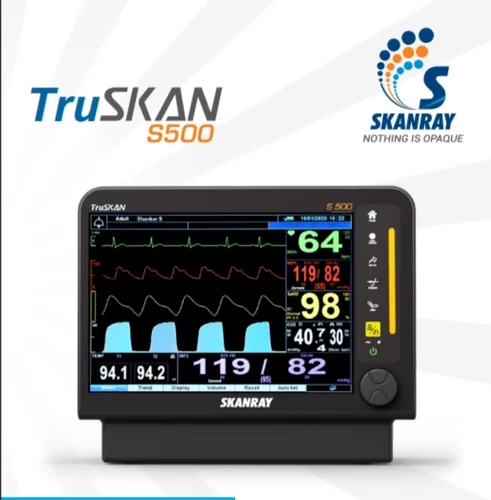
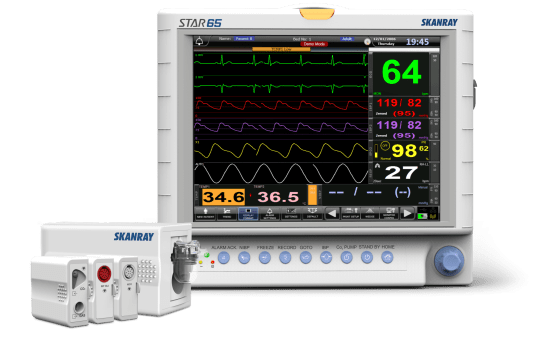
- Monitoring Techniques: Advanced monitoring techniques, such as intraoperative liver function tests and continuous hemodynamic monitoring, can provide real-time insights into the patient's status. These techniques allow for timely adjustments to anesthesia management, improving patient safety and outcomes. For example, the use of non-invasive cardiac output monitoring can help ensure adequate perfusion, especially in patients with compromised liver function who may be more susceptible to hemodynamic instability.
Clinical Applications and Case Studies
Clinical applications of innovative anesthesia management techniques in patients with liver disease are increasingly documented. Case studies have shown that implementing regional anesthesia techniques in patients with advanced liver disease can lead to reduced postoperative complications and shorter recovery times. For example, a case study involving a patient undergoing laparoscopic cholecystectomy demonstrated that the use of epidural anesthesia resulted in lower postoperative pain scores and reduced opioid consumption. Additionally, utilizing TCI systems has been associated with improved hemodynamic stability and reduced drug-related adverse effects, highlighting their role in enhancing patient safety. Another case involved a patient with severe hepatic impairment undergoing orthopedic surgery, where a combination of regional anesthesia and TCI minimized opioid use and facilitated quicker discharge from the recovery unit.
Cost Considerations and Procurement Factors
When selecting anesthesia equipment and systems for managing patients with liver disease and comorbidities, procurement officers should consider several factors:
- Cost-Effectiveness: Evaluate the cost-effectiveness of anesthesia delivery systems, including TCI and ultrasound-guided devices, in relation to patient outcomes and safety. Investing in advanced technologies may lead to long-term savings by reducing complications and improving recovery times. A thorough analysis of the return on investment (ROI) should be conducted, considering potential reductions in hospital stay and postoperative care costs.
- Compatibility: Ensure that the chosen equipment is compatible with existing hospital systems and protocols to facilitate seamless integration into clinical workflows. This compatibility is crucial for maintaining efficiency and ensuring that staff are adequately trained on the equipment. Additionally, compatibility with electronic medical records (EMR) systems can streamline documentation and enhance data collection for quality improvement initiatives.
- After-Sales Support: Consider the availability of after-sales support and training from vendors, as well as the accessibility of replacement parts and consumables. Reliable support can enhance the longevity and effective use of anesthesia systems. Establishing a strong partnership with vendors can also facilitate ongoing education and updates on best practices.
Deployment and Setup Considerations
Successful deployment of anesthesia management systems requires careful planning and execution. Key considerations include:
- Staff Training: Providing comprehensive training to anesthesiology staff on the use of new technologies and techniques is essential for maximizing their effectiveness and ensuring patient safety. Regular training sessions can help staff stay updated on best practices and new developments in anesthesia management. Simulation-based training can also enhance staff confidence and competence in managing complex cases.
- Protocol Development: Developing standardized protocols for anesthesia management in patients with liver disease can help streamline processes and enhance consistency across clinical teams. These protocols should be regularly reviewed and updated based on emerging evidence and clinical guidelines, ensuring that they remain relevant and effective in addressing patient needs.
- Equipment Maintenance: Regular maintenance and calibration of anesthesia delivery systems are crucial for ensuring optimal performance and safety. Establishing a routine maintenance schedule can help prevent equipment failures and ensure that devices function as intended. Additionally, implementing a tracking system for equipment usage and maintenance history can aid in compliance and quality assurance efforts.
Comparison with Alternative Approaches
When managing anesthesia in patients with liver disease, understanding alternative approaches can provide valuable insights into best practices. Traditional general anesthesia may pose higher risks for patients with compromised liver function, primarily due to the potential for prolonged drug effects and increased postoperative complications. Compared to regional anesthesia techniques, general anesthesia often requires higher doses of anesthetic agents, which can exacerbate liver dysfunction. Additionally, general anesthesia may necessitate the use of muscle relaxants, which can further complicate recovery in patients with liver disease. Evaluating the benefits and risks of each approach is essential for optimizing patient outcomes and enhancing safety. Recent studies have shown that regional approaches can significantly reduce the incidence of postoperative nausea and vomiting, a common concern in patients with hepatic impairment.
Conclusion
Innovative approaches to managing anesthesia in patients with liver disease and comorbidities are essential for enhancing patient safety and improving clinical outcomes. By leveraging advanced techniques and fostering collaboration among healthcare professionals, anesthesiologists can navigate the complexities of anesthesia management in this vulnerable population. As the field continues to evolve, staying informed about the latest advancements and best practices will be critical for healthcare providers.
Clinical and diagnostic decisions should always follow your institution's protocols and the product's instructions for use.
Explore Kanlife's range of anesthesia management solutions and contact us for expert guidance tailored to your facility's needs.
Frequently asked questions
What is anesthesia management in patients with liver disease?
Anesthesia management in patients with liver disease involves tailoring anesthetic techniques and drugs to minimize risks associated with altered liver function.
How do comorbidities affect anesthesia management?
Comorbidities can complicate anesthesia management by altering drug metabolism, increasing sensitivity to anesthetics, and heightening the risk of complications.
What innovative techniques are used in anesthesia for liver disease patients?
Innovative techniques include regional anesthesia, target-controlled infusion systems, and ultrasound-guided nerve blocks to enhance safety and efficacy.
What should I consider when procuring anesthesia equipment for liver disease patients?
Consider cost-effectiveness, compatibility with existing systems, and the availability of after-sales support when procuring anesthesia equipment.
How can patient safety be enhanced during anesthesia in liver disease?
Patient safety can be enhanced through comprehensive preoperative assessments, multidisciplinary collaboration, and advanced monitoring techniques.