The Importance of Neurological Monitoring in Pediatric Critical Care: Equipment and Protocols
Understanding Pediatric Neurological Monitoring
Pediatric critical care presents unique challenges due to the complexity of neurological conditions affecting children. Neurological monitoring is crucial in this setting, as it aids in the early detection of complications, guides therapeutic interventions, and ultimately improves patient outcomes. This article discusses the importance of neurological monitoring in pediatric critical care, focusing on the equipment used and the clinical protocols that ensure effective care.
Why Neurological Monitoring is Essential
Neurological monitoring in pediatric critical care is vital for several reasons:
- Early Detection of Neurological Complications: Children in critical care are susceptible to various neurological issues, including seizures, intracranial hemorrhages, and ischemic events. Continuous monitoring allows for prompt detection and management of these complications. For instance, timely identification of seizure activity through EEG can prevent further neurological damage.
- Assessment of Neurological Function: Monitoring provides insights into the neurological status of pediatric patients, facilitating timely interventions based on their evolving clinical picture. Regular assessments can help track recovery or deterioration, guiding the clinical team in adjusting treatment plans as necessary.
- Guiding Treatment Decisions: Accurate neurological monitoring can influence treatment decisions, such as the need for surgical intervention or changes in medication. For example, elevated intracranial pressure readings may prompt immediate medical or surgical interventions to prevent brain damage.
Types of Neurological Monitoring Equipment
Various types of equipment are utilized for neurological monitoring in pediatric critical care settings:
1. Electroencephalogram (EEG)
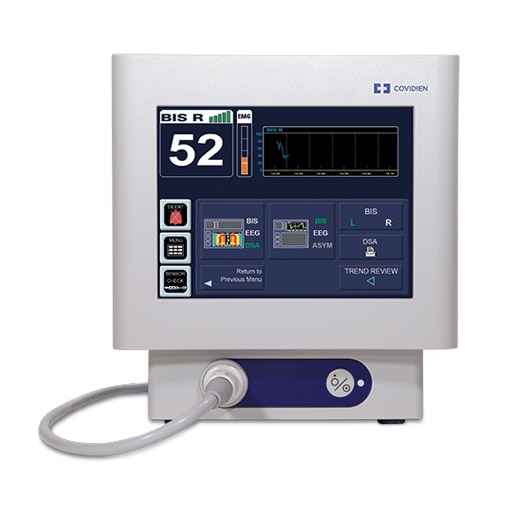
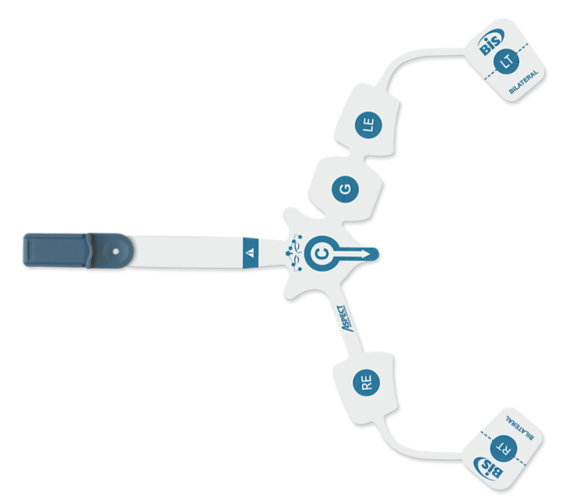
EEG is a primary tool for monitoring electrical activity in the brain. In pediatric patients, it helps identify seizure activity, assess brain function, and monitor for potential neurological deterioration. EEG can be performed continuously or intermittently, depending on the patient's condition, and can provide critical information regarding the effectiveness of anticonvulsant therapy.
2. Intracranial Pressure (ICP) Monitors
ICP monitors are essential for patients with conditions that may lead to increased intracranial pressure, such as traumatic brain injury or hydrocephalus. These devices provide real-time data on intracranial pressure, enabling clinicians to make timely interventions. Monitoring ICP can help prevent secondary brain injury by guiding interventions like drainage of cerebrospinal fluid or administration of osmotic agents.
3. Transcranial Doppler Ultrasound
This non-invasive monitoring technique assesses cerebral blood flow and can help detect conditions like vasospasm or embolism in critically ill pediatric patients. By evaluating blood flow velocity in the major cerebral arteries, clinicians can make informed decisions regarding the management of conditions such as sickle cell disease or post-operative complications.
4. Near-Infrared Spectroscopy (NIRS)
NIRS is a non-invasive method to monitor cerebral oxygenation and perfusion, providing valuable information regarding the brain's metabolic status in real time. This technology can be particularly useful in patients with cardiac conditions, allowing for the assessment of cerebral oxygen delivery and utilization, which is crucial in guiding therapeutic interventions.
Clinical Protocols for Neurological Monitoring
Effective neurological monitoring in pediatric critical care relies on well-defined clinical protocols. These protocols ensure that monitoring is performed consistently and that the data obtained is utilized effectively:
1. Assessment Protocols
Initial assessment protocols should include a thorough neurological examination and the establishment of baseline neurological function. Regular reassessments should be conducted to identify any changes in the patient’s condition. For example, using standardized neurological scales can help quantify changes and guide treatment decisions.
2. Monitoring Frequency
The frequency of neurological monitoring should be tailored to the patient's condition. High-risk patients may require continuous monitoring, while others may be monitored at set intervals based on their clinical status. A dynamic approach to monitoring frequency can ensure that changes in a patient’s neurological status are detected early, allowing for rapid intervention.
3. Data Interpretation
Clinicians must be trained to interpret data from monitoring equipment accurately. Regular training and updates on the latest guidelines are essential to ensure that healthcare professionals can respond appropriately to monitoring results. Incorporating case studies into training sessions can enhance understanding and application of monitoring data in real clinical scenarios.
4. Multidisciplinary Approach
A multidisciplinary approach involving neurologists, intensivists, nurses, and allied health professionals is crucial in managing pediatric patients in critical care. Collaborative discussions based on monitoring data can lead to better patient outcomes. Regular multidisciplinary rounds can facilitate communication and ensure that all team members are aligned with the patient's care plan.
Practical Considerations for Neurological Monitoring
When implementing neurological monitoring protocols in pediatric critical care, several practical considerations must be taken into account:
- Equipment Setup and Calibration: Proper setup and calibration of monitoring devices are essential for accurate readings. Regular maintenance checks should be conducted to ensure that all equipment is functioning optimally. This includes checking electrode placement for EEG and ensuring that ICP monitors are correctly zeroed to the level of the patient's ear.
- Integration with Clinical Workflow: Neurological monitoring should seamlessly integrate into the clinical workflow to ensure that data is readily available for decision-making. Electronic health records (EHR) systems can facilitate this integration, allowing for easy access to monitoring data alongside other clinical information.
- Communication of Results: Effective communication of monitoring results among the healthcare team is critical. Establishing clear protocols for how and when results are shared can help ensure that critical information is not overlooked. For instance, implementing a standardized reporting format can enhance clarity and facilitate timely interventions.
Benefits of Neurological Monitoring in Pediatric Critical Care
Implementing neurological monitoring protocols in pediatric critical care has several benefits:
- Improved Patient Safety: Continuous monitoring helps detect adverse events early, enhancing patient safety and reducing morbidity. For example, early identification of deteriorating neurological function can prompt timely interventions that may prevent further complications.
- Enhanced Clinical Decision-Making: Real-time data allows for informed clinical decisions regarding treatment and interventions. Access to accurate monitoring data can help clinicians weigh the risks and benefits of various treatment options more effectively.
- Better Resource Allocation: Effective monitoring can optimize resource use by identifying patients who require more intensive care versus those who can be managed with less intervention. This can lead to more efficient use of healthcare resources and improved overall patient flow in the critical care unit.
Considerations and Limitations
While neurological monitoring is critical, there are several considerations and limitations to keep in mind:
- Equipment Limitations: Each monitoring device has its limitations in terms of sensitivity and specificity. Clinicians should be aware of these limitations when interpreting results. For instance, EEG may not detect all types of seizures, and reliance on a single modality may lead to missed diagnoses.
- Staff Training: Proper training is essential for healthcare professionals to ensure accurate data interpretation and appropriate responses to monitoring results. Continuous education and simulation training can help maintain high competency levels among staff.
- Cost Implications: The implementation of advanced monitoring technologies may incur additional costs, which should be considered in budget planning. Institutions must weigh the costs against the potential benefits in terms of improved patient outcomes and safety.
Conclusion
Neurological monitoring plays a crucial role in pediatric critical care, enabling the early detection of complications, guiding treatment decisions, and ultimately improving patient outcomes. By utilizing appropriate monitoring equipment and adhering to established clinical protocols, healthcare professionals can provide high-quality care to their pediatric patients. As technology advances, the integration of innovative monitoring solutions will further enhance the capabilities of pediatric critical care teams.
This article is for educational purposes only and is not a substitute for professional medical advice. Always consult a qualified healthcare provider for medical concerns.
To learn more about our range of neurological monitoring equipment and how they can enhance care in pediatric critical settings, explore Kanlife's offerings or get in touch with our team today!
Frequently asked questions
What is neurological monitoring?
Neurological monitoring refers to the continuous observation of brain activity and function, typically using equipment like EEGs and ICP monitors to detect potential complications.
How does neurological monitoring work in pediatric critical care?
In pediatric critical care, neurological monitoring involves using specialized equipment to track brain function, assess neurological status, and guide treatment decisions.
Where is neurological monitoring equipment used?
Neurological monitoring equipment is primarily used in pediatric intensive care units (PICUs) and emergency departments to manage critically ill children.
What are the benefits of using neurological monitoring in pediatrics?
The benefits include improved patient safety, enhanced clinical decision-making, and better resource allocation in critical care settings.
What clinical protocols are associated with neurological monitoring?
Clinical protocols include assessment protocols, monitoring frequency guidelines, data interpretation standards, and a multidisciplinary approach to patient care.