The Role of Anesthesia in Outpatient Endoscopic Procedures: A Focus on Patient Selection
Introduction
Outpatient endoscopic procedures have become increasingly prevalent due to advancements in technology and techniques that enhance patient comfort and procedural efficiency. However, the role of anesthesia in these settings is pivotal, particularly regarding patient selection. Properly assessing which patients are suitable for outpatient endoscopy can significantly impact safety, satisfaction, and overall procedural success.
Understanding Outpatient Endoscopy
Outpatient endoscopy encompasses various procedures, including gastrointestinal endoscopy, bronchoscopy, and other minimally invasive diagnostic and therapeutic interventions. These procedures are typically performed in a hospital or outpatient setting, allowing patients to return home on the same day. The benefits include reduced healthcare costs, shorter recovery times, and improved patient convenience. Additionally, outpatient endoscopy reduces the burden on hospital resources, enabling healthcare providers to manage more patients efficiently.
The Role of Anesthesia
Anesthesia plays a crucial role in ensuring patient comfort and procedural success during outpatient endoscopic procedures. The choice of anesthesia—whether sedation, general anesthesia, or local anesthesia—depends on several factors, including the type of procedure, the patient's medical history, and their anxiety levels. Proper anesthesia management can help mitigate discomfort and anxiety, leading to a more successful procedure and a better overall experience. For example, moderate sedation is commonly used for procedures like colonoscopy, allowing patients to maintain some level of consciousness while alleviating discomfort.
Patient Selection Criteria
Effective patient selection is essential for optimizing anesthesia in outpatient endoscopy. Several criteria should be considered:
- Medical History: A comprehensive medical history helps identify any underlying conditions that may complicate anesthesia or the procedure itself. Conditions such as obesity, respiratory issues, and cardiovascular diseases can increase the risk of complications, necessitating a more cautious approach to anesthesia.
- Age and Comorbidities: Older patients or those with multiple comorbidities may require more careful evaluation and possibly different anesthesia approaches. Understanding the patient's overall health status is crucial for ensuring safety, as older adults often have altered pharmacokinetics and pharmacodynamics that can affect anesthesia outcomes.
- Anxiety Levels: Patients with high anxiety may benefit from pre-procedural counseling and tailored anesthesia plans to ensure they are comfortable throughout the procedure. Techniques such as premedication with anxiolytics can be employed to help manage anxiety levels effectively.
- Procedure Type: The specific endoscopic procedure being performed (e.g., colonoscopy, upper endoscopy) influences the choice of anesthesia. Some procedures may be performed under moderate sedation, while others may necessitate deeper sedation or general anesthesia, depending on the anticipated discomfort and duration of the procedure.
- Patient Preference: Engaging patients in discussions about their preferences for anesthesia can help tailor the approach, leading to higher satisfaction levels. Involving patients in the decision-making process fosters a sense of control and can alleviate anxiety.
Benefits of Proper Patient Selection
Implementing a robust patient selection process for outpatient endoscopic procedures can yield several benefits:
- Enhanced Safety: By identifying high-risk patients and adjusting anesthesia plans accordingly, healthcare providers can minimize potential complications. This proactive approach helps ensure that patients receive the appropriate level of monitoring and support based on their individual risk profiles.
- Improved Patient Satisfaction: Addressing patient concerns and preferences can lead to a more positive procedural experience. When patients feel heard and understood, their overall satisfaction with the care process improves significantly.
- Optimized Resource Utilization: Efficient patient selection can reduce the need for prolonged recovery times, allowing healthcare facilities to maximize their resources. This efficiency can lead to shorter wait times for other patients and improved throughput in outpatient settings.
- Better Clinical Outcomes: A thorough understanding of patient needs and risks can contribute to improved procedural success rates. Tailored anesthesia plans can lead to fewer complications and quicker recovery times, enhancing the overall quality of care.
Considerations and Limitations
While proper patient selection is crucial, several considerations and limitations must be acknowledged:
- Variability in Patient Responses: Individual responses to anesthesia can vary widely, making it challenging to predict outcomes based solely on selection criteria. Factors such as genetic variability and previous anesthesia experiences can influence how patients respond to different agents.
- Availability of Resources: Not all outpatient facilities have the same level of resources or expertise, which can impact the feasibility of certain anesthesia techniques. Facilities must assess their capabilities and ensure that they can provide safe and effective anesthesia care tailored to their patient population.
- Post-Procedure Monitoring: Ensuring adequate monitoring and support for patients following outpatient procedures is essential, particularly for those who receive deeper sedation. Continuous monitoring of vital signs and readiness for discharge is crucial to ensure patient safety.
Practical and Procedural Considerations
When implementing anesthesia protocols in outpatient endoscopic procedures, several practical and procedural considerations must be taken into account:
- Pre-Procedure Assessment: A thorough pre-procedural assessment that includes a review of medical history, physical examination, and risk stratification is essential. This assessment should be conducted by an anesthesiologist or a qualified healthcare provider to ensure that all potential risks are identified and addressed.
- Informed Consent: Obtaining informed consent is a critical step in the anesthesia process. Patients should be educated about the anesthesia options available, potential risks, and the expected recovery process. This education empowers patients to make informed decisions about their care.
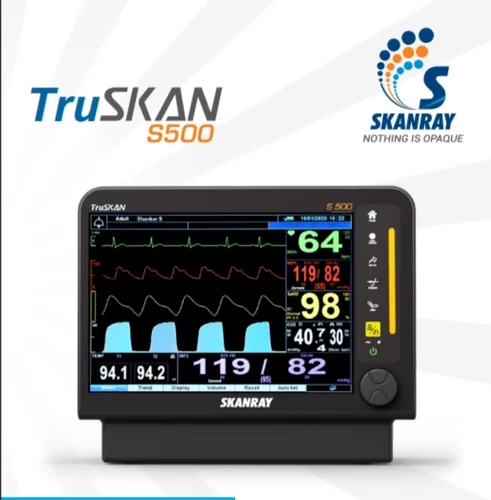
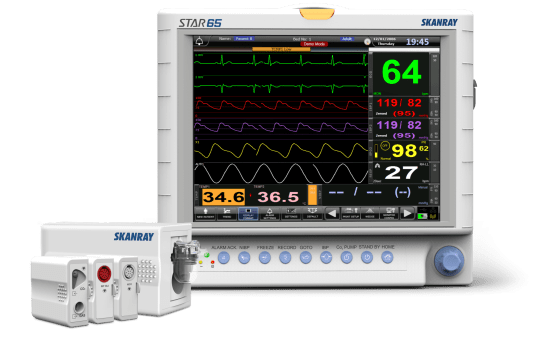
- Equipment and Monitoring: The availability and readiness of anesthesia equipment and monitoring devices are paramount. Facilities should ensure that they have the necessary tools to monitor patients' vital signs throughout the procedure and during recovery. This includes pulse oximeters, capnography, and blood pressure monitors.
- Post-Anesthesia Care: Establishing a post-anesthesia care unit (PACU) or designated recovery area is essential for monitoring patients after sedation. Patients should be observed until they meet discharge criteria, which typically includes stable vital signs, adequate oxygenation, and the ability to follow commands.
Comparison with Alternative Approaches
In outpatient endoscopic procedures, various anesthesia approaches can be utilized, each with its own advantages and disadvantages. Comparing these approaches is essential for optimizing patient care:
- Moderate Sedation: Often used for procedures like colonoscopy, moderate sedation allows patients to remain awake and responsive while minimizing discomfort. This approach is beneficial for patient safety and can enhance recovery times, but it requires careful monitoring to ensure the patient's safety throughout the procedure.
- Deep Sedation: This technique is appropriate for more invasive procedures that may cause significant discomfort. While deep sedation can improve patient comfort, it also necessitates more intensive monitoring and can lead to longer recovery times, making it less ideal for outpatient settings where rapid turnover is desired.
- General Anesthesia: Though less commonly used in outpatient endoscopy, general anesthesia may be indicated for complex procedures or patients with significant anxiety. However, this approach requires more extensive resources and monitoring, which may not be feasible in all outpatient settings.
Conclusion
In conclusion, the role of anesthesia in outpatient endoscopic procedures is vital, and patient selection is a key component of ensuring safety and success. By carefully evaluating individual patient factors, healthcare providers can optimize anesthesia plans, enhancing the overall experience and outcomes for patients undergoing these procedures. As outpatient endoscopy continues to evolve, ongoing education and collaboration among anesthesiologists, gastroenterologists, and nursing staff will be essential for maintaining high standards of care.
This article is for educational purposes only and is not a substitute for professional medical advice. Always consult with a qualified healthcare provider regarding any medical conditions or treatments.
Explore Kanlife's range of anesthesia equipment and resources to enhance your outpatient endoscopic procedures. Get in touch with us today to learn more!
Frequently asked questions
What is outpatient endoscopy?
Outpatient endoscopy refers to minimally invasive procedures performed in a hospital or outpatient setting, allowing patients to return home the same day.
How does anesthesia work in outpatient endoscopic procedures?
Anesthesia in outpatient endoscopy can involve sedation or general anesthesia to ensure patient comfort and minimize discomfort during the procedure.
What factors influence patient selection for anesthesia in outpatient endoscopy?
Factors include medical history, age, comorbidities, anxiety levels, procedure type, and patient preferences.
What are the benefits of proper patient selection for anesthesia?
Proper patient selection enhances safety, improves patient satisfaction, optimizes resource utilization, and contributes to better clinical outcomes.
What limitations exist in patient selection for outpatient endoscopy?
Limitations include variability in patient responses to anesthesia, resource availability, and the need for post-procedure monitoring.