The Role of Diagnostic Equipment in Early Detection of Pediatric Liver Conditions
Introduction
Pediatric liver conditions encompass a range of disorders that can significantly affect the health and development of children. Early detection is crucial for effective management and treatment, as many liver diseases can lead to severe complications if not identified promptly. In this context, diagnostic equipment plays a vital role in facilitating early diagnosis, allowing healthcare professionals to implement timely interventions. This article delves into the types of diagnostic equipment used in pediatric hepatology, the mechanisms by which they operate, and their clinical applications in early detection.
Understanding Pediatric Liver Conditions
Pediatric liver conditions include a variety of disorders such as hepatitis, fatty liver disease, biliary atresia, and metabolic liver diseases. These conditions can arise from genetic factors, infections, or environmental influences. Symptoms may vary widely, and in many cases, they can be subtle or easily overlooked, leading to potential delays in diagnosis. For instance, biliary atresia, a condition where bile ducts are blocked or absent, may initially present with jaundice in newborns, but the signs may not be evident until the disease has progressed. As a result, healthcare professionals must rely on sophisticated diagnostic equipment to accurately identify these conditions in their early stages, which is critical for improving treatment outcomes.
Types of Diagnostic Equipment for Pediatric Liver Conditions
Several types of diagnostic equipment are utilized in the assessment of pediatric liver conditions. Each type serves a unique purpose in the diagnosis process:
- Ultrasound Imaging: This non-invasive imaging technique is often the first step in evaluating liver health. It can help detect abnormalities such as liver size, structure, and blood flow. Ultrasound is particularly useful in assessing conditions like fatty liver disease and can guide further diagnostic steps.
- Magnetic Resonance Imaging (MRI): MRI provides detailed images of the liver and surrounding organs, allowing for a comprehensive assessment of liver conditions. Its high-resolution images can reveal subtle changes in liver morphology that may not be visible on ultrasound.
- Computed Tomography (CT) Scans: While less commonly used in pediatrics due to radiation exposure, CT scans can provide valuable information in specific cases, particularly in evaluating tumors or vascular abnormalities when other modalities are inconclusive.
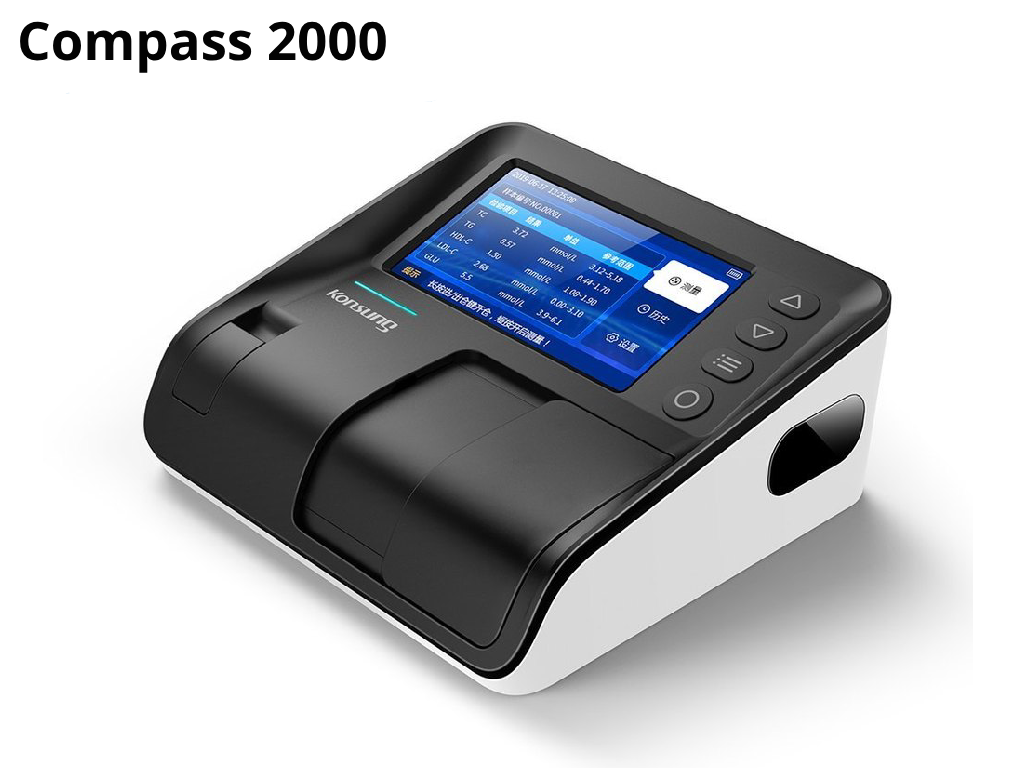
- Blood Tests: Laboratory tests, including liver function tests and viral hepatitis panels, are crucial for identifying liver disease markers. These tests can assess the levels of liver enzymes, bilirubin, and other substances that indicate liver health.
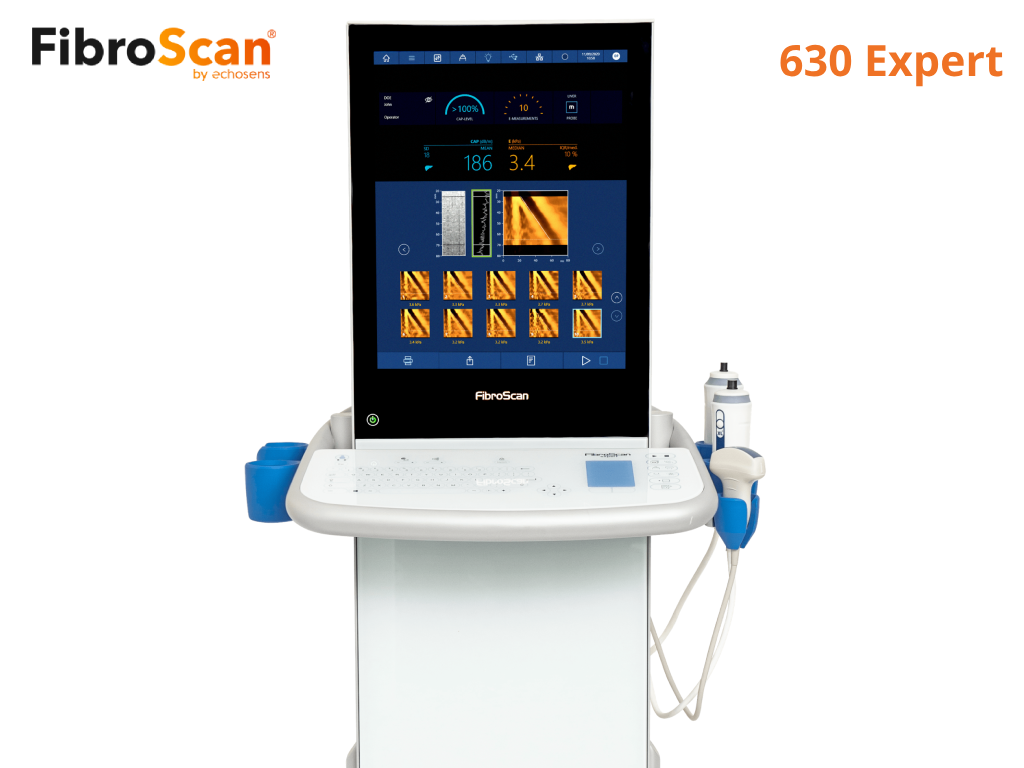
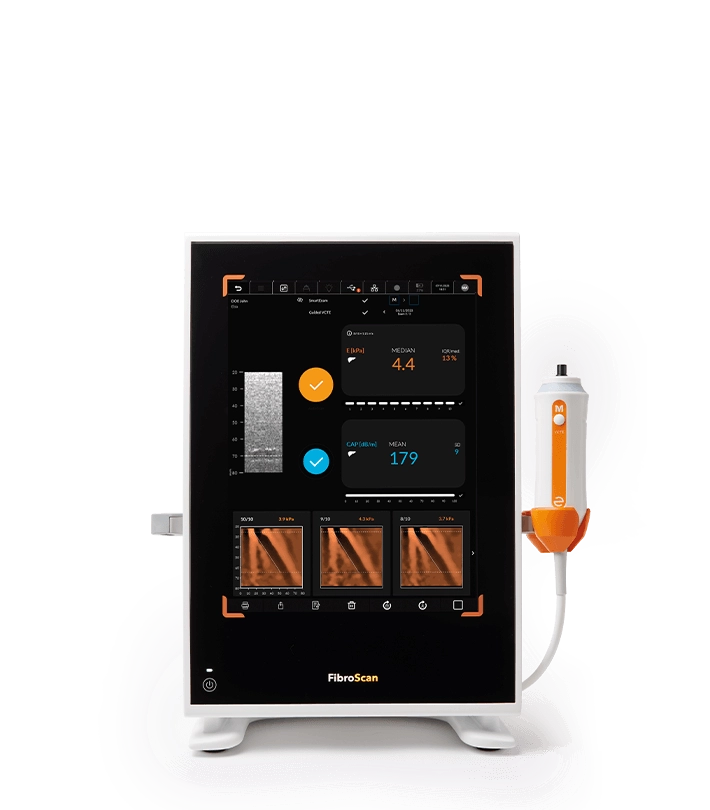
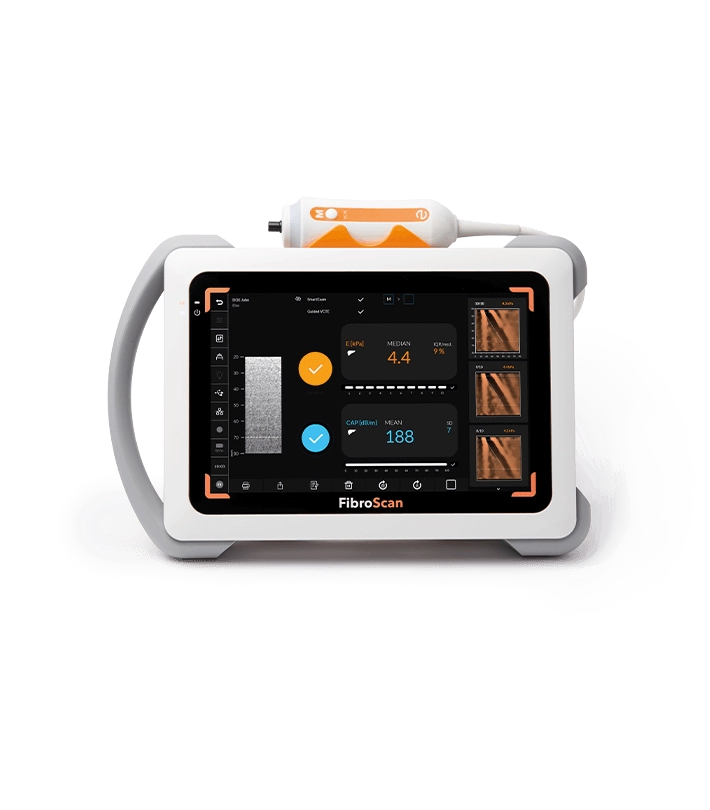
- Elastography: This non-invasive technique measures liver stiffness, which can indicate fibrosis or cirrhosis. By providing a quantitative assessment of liver health, elastography can help determine the severity of liver disease without the need for invasive biopsies.
How Diagnostic Equipment Works
The functioning of diagnostic equipment varies based on the technology used. For instance:
- Ultrasound: Uses high-frequency sound waves to create images of the liver. It is safe, quick, and does not involve ionizing radiation, making it ideal for repeated assessments in children.
- MRI: Employs strong magnetic fields and radio waves to generate detailed images of the liver and surrounding tissues. MRI can also utilize contrast agents to enhance the visibility of vascular structures and lesions.
- Elastography: Utilizes ultrasound technology to assess the elasticity of liver tissue, providing insights into fibrosis without the need for invasive biopsies. This method allows for real-time assessment of liver stiffness, which is crucial for monitoring disease progression.
Clinical Applications of Diagnostic Equipment
Diagnostic equipment is instrumental in diagnosing various pediatric liver conditions. For example:
- Hepatitis: Blood tests can confirm viral hepatitis, while imaging techniques can assess liver damage. Early identification of hepatitis can lead to timely antiviral treatment, which is essential for preventing chronic liver disease.
- Fatty Liver Disease: Ultrasound and elastography can help evaluate the extent of fatty infiltration and fibrosis. Identifying this condition early can facilitate lifestyle interventions that may reverse liver damage.
- Biliary Atresia: Ultrasound is crucial in identifying abnormalities in bile ducts, which is essential for timely surgical intervention. Early surgical management significantly improves the prognosis for affected infants.
Benefits of Early Detection through Diagnostic Equipment
Early detection of pediatric liver conditions through advanced diagnostic equipment offers numerous benefits:
- Improved Outcomes: Timely diagnosis allows for early intervention, which can prevent disease progression and complications. For instance, early treatment of biliary atresia can lead to better liver function and growth in infants.
- Enhanced Monitoring: Regular use of diagnostic equipment facilitates ongoing monitoring of liver health, enabling adjustments in treatment as needed. This is particularly important in chronic liver disease management.
- Informed Decision-Making: Accurate diagnostic information aids healthcare providers in making informed treatment decisions tailored to the child’s specific condition. This personalized approach can lead to more effective management strategies.
Considerations and Limitations
While diagnostic equipment is invaluable, there are considerations to keep in mind:
- Access to Technology: Availability of advanced diagnostic tools may vary by region, impacting early detection efforts. Some healthcare facilities may lack the necessary equipment, leading to delays in diagnosis.
- Interpretation of Results: The accuracy of diagnosis depends on the expertise of the healthcare provider interpreting the results. Misinterpretation can lead to misdiagnosis or delayed treatment.
- Costs: Some diagnostic procedures may be costly, potentially limiting access for some families. Insurance coverage varies, and financial constraints can affect timely access to necessary diagnostic tests.
Practical and Procedural Considerations
When utilizing diagnostic equipment for pediatric liver conditions, several practical considerations must be addressed to ensure effective outcomes:
- Patient Preparation: Proper preparation of pediatric patients is crucial. For imaging studies, ensuring that children are calm and still can significantly enhance the quality of the images obtained. Sedation may be required in some cases, particularly for MRI scans.
- Technological Training: Healthcare providers must receive adequate training in operating diagnostic equipment. This includes understanding the nuances of each modality, recognizing artifacts in imaging, and interpreting results accurately.
- Interdisciplinary Collaboration: Collaboration among pediatricians, radiologists, and hepatologists is essential for comprehensive care. Regular case discussions can enhance diagnostic accuracy and treatment planning.
Comparison with Alternative Approaches
While diagnostic equipment plays a pivotal role in the early detection of pediatric liver conditions, it is essential to consider alternative approaches that may complement or enhance diagnostic accuracy:
- Clinical Assessment: A thorough clinical evaluation, including patient history and physical examination, is fundamental. Symptoms such as jaundice, abdominal pain, or failure to thrive should prompt further investigation.
- Genetic Testing: In cases where metabolic liver diseases are suspected, genetic testing can provide critical information for diagnosis. This approach may uncover inherited conditions that standard imaging cannot detect.
- Liver Biopsy: Although invasive, liver biopsy remains a gold standard for certain diagnoses, especially when determining the degree of liver damage. However, it is typically reserved for cases where non-invasive methods are inconclusive.
Conclusion
The role of diagnostic equipment in the early detection of pediatric liver conditions cannot be overstated. By leveraging advanced imaging technologies and laboratory tests, healthcare professionals can identify liver diseases at an early stage, allowing for timely and effective interventions. This proactive approach ultimately enhances patient outcomes and quality of care. As the field of pediatric hepatology continues to evolve, the integration of innovative diagnostic equipment will remain essential in combating liver diseases in children.
This article is for educational purposes only and is not a substitute for professional medical advice. Always consult a qualified healthcare provider for medical concerns.
Explore Kanlife's range of diagnostic equipment to enhance early detection in pediatric liver conditions. Get in touch with us today for more information!
Frequently asked questions
What are common pediatric liver conditions?
Common pediatric liver conditions include hepatitis, fatty liver disease, biliary atresia, and metabolic liver disorders.
How does ultrasound help in diagnosing liver conditions?
Ultrasound helps visualize liver size, structure, and blood flow, making it essential for initial assessments.
What is elastography and how is it used?
Elastography is a non-invasive technique that measures liver stiffness to assess fibrosis and cirrhosis.
Why is early detection important for pediatric liver diseases?
Early detection allows for timely intervention, improving treatment outcomes and preventing complications.
What role do blood tests play in liver diagnosis?
Blood tests assess liver function and can identify markers of liver disease, aiding in diagnosis.