Evaluating the Effectiveness of Anesthesia Delivery Systems in Outpatient Surgery
Introduction to Anesthesia Delivery Systems
Anesthesia delivery systems are critical components in the realm of outpatient surgery, where efficiency and patient safety are paramount. These systems encompass a variety of devices designed to administer anesthesia effectively while monitoring patient responses. The growing trend towards outpatient procedures necessitates a thorough evaluation of these systems to ensure optimal outcomes. The integration of advanced technologies into these systems has transformed the landscape of anesthesia management, allowing for more precise dosing and real-time monitoring of patient vitals.
Understanding Outpatient Surgery
Outpatient surgery, also known as same-day discharge surgery, allows patients to undergo surgical procedures without the need for an overnight hospital stay. This model has gained popularity due to its cost-effectiveness and convenience. However, it also poses unique challenges in terms of anesthesia management, as patients must be closely monitored during and after the procedure to ensure their safety. The shorter recovery time associated with outpatient surgery requires a streamlined approach to anesthesia, making effective delivery systems even more vital. Additionally, patient selection is critical, as not all patients are suitable candidates for outpatient procedures, particularly those with complex medical histories.
Types of Anesthesia Delivery Systems
There are several types of anesthesia delivery systems utilized in outpatient settings, each with specific features and benefits:
- General Anesthesia Machines: These devices provide controlled delivery of inhalational anesthetics and are equipped with monitoring capabilities for vital signs. They are essential for procedures requiring deep sedation and complete unconsciousness.
- Intravenous (IV) Anesthesia Systems: These systems administer anesthetic agents through IV lines, allowing for rapid onset and precise control of anesthesia depth. This method is particularly useful in outpatient settings where quick recovery is desired.
- Regional Anesthesia Devices: Used for nerve blocks, these systems enhance pain management while minimizing systemic effects. They are often employed in orthopedic surgeries, allowing patients to remain awake while experiencing reduced pain.
- Monitored Anesthesia Care (MAC) Systems: These combine sedation with local anesthesia, allowing for patient comfort while maintaining consciousness. MAC is particularly advantageous in procedures where patients can cooperate with the surgical team.
Clinical Applications of Anesthesia Delivery Systems in Outpatient Surgery
In outpatient surgery, anesthesia delivery systems are employed across various surgical specialties, including:
- Ophthalmology: Procedures such as cataract surgery often utilize topical anesthesia or sedation to enhance patient comfort. The use of anesthesia delivery systems in these cases allows for precise control over sedation levels, improving patient experience.
- Orthopedics: Regional anesthesia is commonly used for outpatient joint surgeries, improving postoperative pain management. The ability to deliver anesthetics directly to the site of surgery minimizes the need for systemic pain medications, which can have adverse effects.
- General Surgery: Many outpatient laparoscopic procedures can be performed under general anesthesia with effective monitoring. Anesthesia delivery systems ensure that the surgical team can respond quickly to any changes in patient status during these minimally invasive procedures.
Benefits of Advanced Anesthesia Delivery Systems
The effectiveness of anesthesia delivery systems in outpatient surgery is underscored by several key benefits:
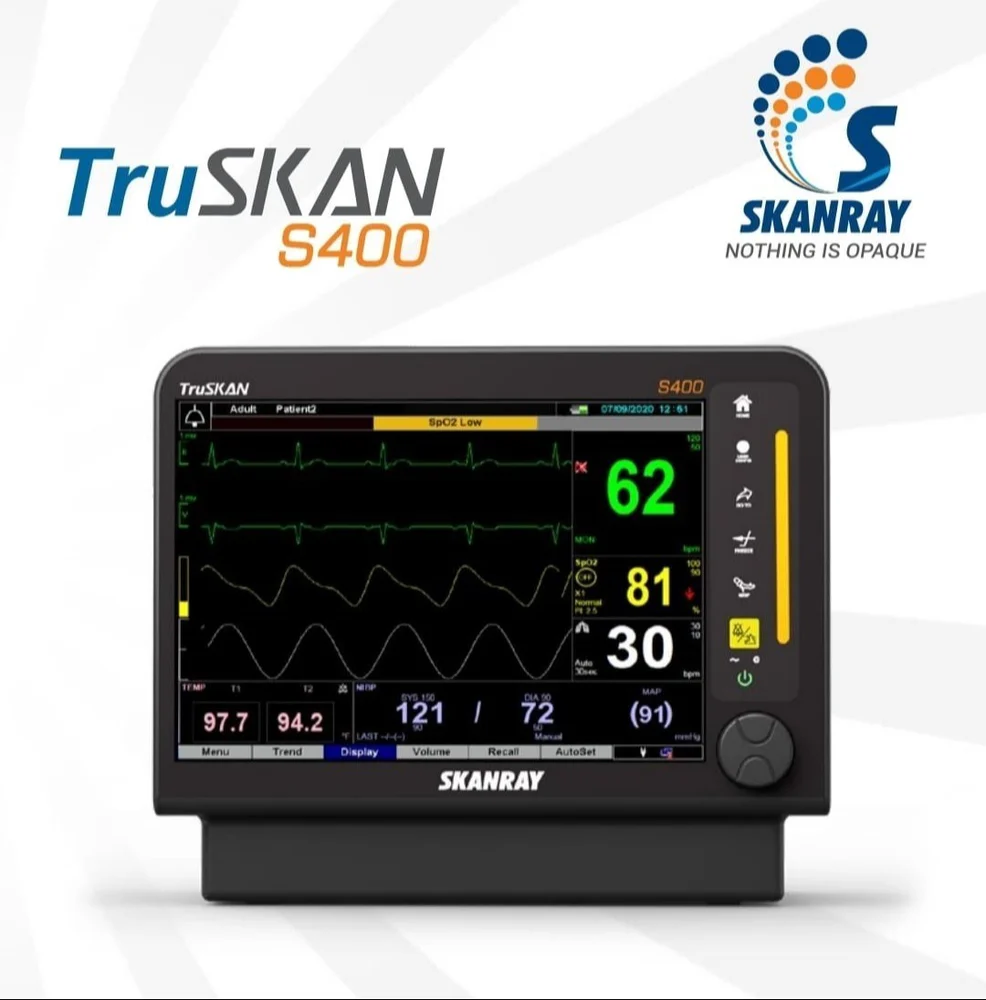
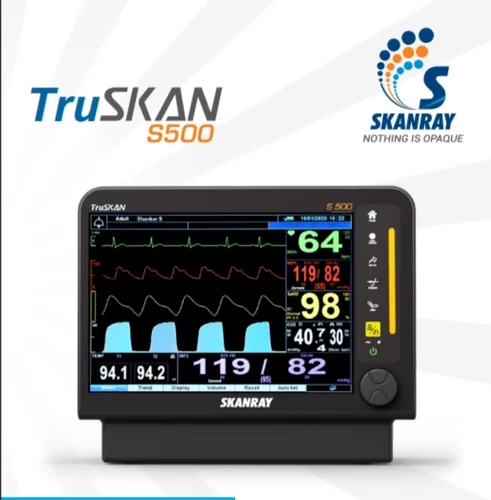
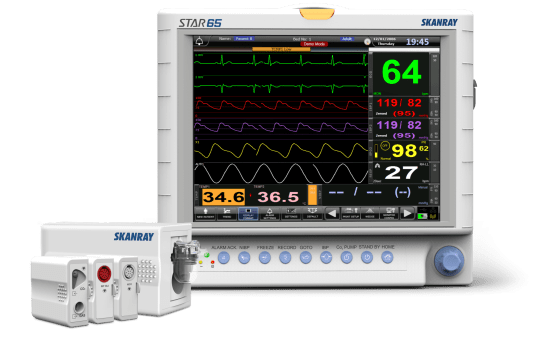
- Enhanced Patient Safety: Modern systems are equipped with advanced monitoring technologies that track vital signs, ensuring prompt detection of any adverse events. Features such as automatic alerts for abnormal vitals help clinicians respond swiftly to potential complications.
- Improved Recovery Times: Efficient delivery of anesthetics allows for quicker recovery, enabling patients to return home sooner. Studies have shown that patients receiving optimized anesthesia management experience reduced recovery times and improved satisfaction.
- Customization of Anesthesia: Anesthesia delivery systems can be tailored to individual patient needs, optimizing the balance between efficacy and safety. This personalization is particularly important in outpatient settings, where patient comfort and rapid recovery are priorities.
Considerations and Limitations
While anesthesia delivery systems offer numerous advantages, some considerations and limitations must be acknowledged:
- Patient Selection: Not all patients are suitable candidates for outpatient procedures, necessitating thorough preoperative evaluations. Factors such as age, comorbidities, and the complexity of the procedure must be considered to ensure patient safety.
- Equipment Familiarity: Surgical teams must be well-trained in using specific anesthesia systems to maximize their effectiveness and safety. Regular training sessions and simulations can help staff remain proficient in the use of these systems.
- Postoperative Monitoring: Patients must be monitored adequately post-surgery to manage any potential complications effectively. This includes observing for signs of respiratory distress or adverse reactions to anesthesia, which can occur even after discharge.
Practical Considerations for Anesthesia Delivery Systems
Implementing anesthesia delivery systems in outpatient surgery requires careful planning and execution. One critical aspect is ensuring that the surgical environment is equipped with the necessary infrastructure, including appropriate power sources and backup systems to maintain functionality in emergencies. Additionally, the layout of the operating room should facilitate easy access to anesthesia equipment, allowing for quick interventions if needed. Training and simulation exercises for the surgical team are essential to familiarize them with the specific anesthesia delivery systems being used. This preparation helps ensure that all team members understand their roles in managing the anesthesia process and responding to any complications.
Comparison with Alternative Approaches
While anesthesia delivery systems are integral to outpatient surgery, alternative approaches exist that may be utilized depending on the procedure and patient needs. For instance, some procedures may use local anesthesia alone, which can be effective for minor surgeries and reduces the complexity associated with general anesthesia. However, local anesthesia may not be suitable for all patients or procedures, particularly those involving significant discomfort or longer durations. In contrast, newer techniques such as sedation dentistry have emerged, utilizing minimal sedation methods that allow patients to remain awake but relaxed. Comparing these approaches involves assessing the specific needs of the patient, the type of procedure, and the anticipated outcomes to determine the most appropriate anesthesia method.
Future Directions in Anesthesia Delivery Systems
The future of anesthesia delivery systems in outpatient surgery lies in ongoing technological advancements. Innovations such as artificial intelligence and machine learning are being explored to enhance monitoring capabilities and predict patient responses more accurately. Additionally, the integration of telemedicine may allow for better preoperative assessments and postoperative follow-ups, further improving patient safety and satisfaction. The development of portable anesthesia delivery systems is also on the horizon, which could facilitate outpatient procedures in diverse settings beyond traditional surgical centers.
Conclusion
In conclusion, evaluating the effectiveness of anesthesia delivery systems in outpatient surgery is essential to ensure patient safety and optimize anesthesia management. As outpatient procedures continue to grow in popularity, advancements in anesthesia technology will play a crucial role in enhancing patient outcomes. Healthcare professionals must remain informed about these developments to provide the best care possible.
This article is for educational purposes only and is not a substitute for professional medical advice. Always consult a qualified healthcare provider for medical concerns.
To explore our range of anesthesia delivery systems and learn more about how they can enhance patient safety in outpatient surgery, visit Kanlife Group or get in touch with our expert team today.
Frequently asked questions
What are anesthesia delivery systems?
Anesthesia delivery systems are devices used to administer anesthetics to patients during surgical procedures, ensuring effective management and monitoring.
How do anesthesia delivery systems enhance patient safety?
These systems incorporate advanced monitoring technologies that track vital signs, allowing for early detection of any complications during surgery.
Where are anesthesia delivery systems commonly used?
Anesthesia delivery systems are commonly used in outpatient surgery across various specialties, including ophthalmology, orthopedics, and general surgery.
What are the benefits of using advanced anesthesia delivery systems?
Benefits include enhanced patient safety, improved recovery times, and the ability to customize anesthesia based on individual patient needs.
What considerations should be taken into account when using anesthesia delivery systems?
Considerations include patient selection, equipment familiarity among surgical teams, and the need for adequate postoperative monitoring.