Advancements in Non-Invasive Monitoring Techniques for Pediatric Anesthesia
Introduction to Non-Invasive Monitoring in Pediatric Anesthesia
Pediatric anesthesia presents unique challenges, primarily due to the physiological differences between children and adults. As the demand for safe and effective anesthesia in children continues to grow, advancements in non-invasive monitoring techniques have emerged as critical tools in enhancing patient safety. This article delves into the latest innovations in non-invasive monitoring, their clinical applications, and their impact on pediatric anesthesia.
Understanding Non-Invasive Monitoring Techniques
Non-invasive monitoring refers to the assessment of physiological parameters without the need for invasive procedures. In the context of pediatric anesthesia, these techniques are vital for continuous monitoring of vital signs and other critical indicators, minimizing the risks associated with traditional invasive methods. Common non-invasive monitoring modalities include:
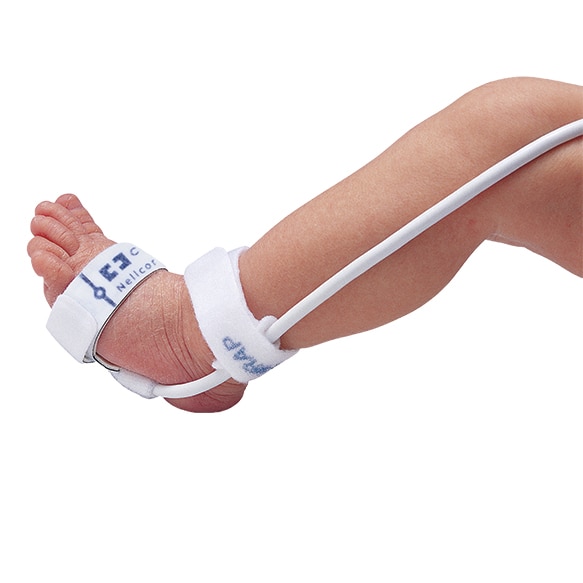
- Pulse Oximetry: Measures blood oxygen saturation levels, which is crucial for assessing respiratory function during anesthesia.
- Capnography: Monitors exhaled carbon dioxide to assess ventilation, providing insights into the adequacy of ventilation and potential respiratory complications.
- Non-Invasive Blood Pressure Monitoring: Provides real-time blood pressure readings without the need for arterial lines, allowing for safer monitoring of hemodynamic status.
- Electrocardiography (ECG): Monitors heart rhythm and rate, which is essential for detecting arrhythmias and other cardiac events during anesthesia.
Technological Advancements in Non-Invasive Monitoring
The landscape of non-invasive monitoring for pediatric anesthesia has evolved significantly, driven by technological advancements. Some notable innovations include:
- Wearable Monitoring Devices: These devices allow for continuous monitoring of vital signs, such as heart rate and oxygen saturation, enabling real-time data collection without disrupting the child’s comfort. They are particularly beneficial in outpatient settings, where mobility is essential.
- Advanced Capnometers: Newer capnometers provide enhanced accuracy and real-time feedback on ventilation status, which is crucial in pediatric patients who may have varying respiratory patterns. These devices can also analyze trend data to identify potential issues before they become critical.
- Remote Monitoring Systems: These systems facilitate the transmission of monitoring data to healthcare providers, allowing for timely interventions and reducing the need for physical presence in the operating room. This is especially useful in telemedicine applications, where specialists can monitor patients from a distance.
Clinical Applications of Non-Invasive Monitoring in Pediatric Anesthesia
The clinical applications of non-invasive monitoring techniques in pediatric anesthesia are vast. They are used to ensure:
- Patient Safety: Continuous monitoring of vital signs helps detect early signs of complications, allowing for prompt intervention. For instance, sudden drops in oxygen saturation can trigger immediate corrective actions.
- Improved Anesthesia Management: Real-time data enables anesthesiologists to adjust anesthesia levels based on the child’s physiological responses, optimizing drug administration and minimizing side effects.
- Enhanced Recovery: Non-invasive techniques contribute to faster recovery times by minimizing the stress and trauma associated with invasive monitoring methods. Children often experience less anxiety and discomfort, leading to quicker postoperative recovery.
Benefits of Non-Invasive Monitoring in Pediatric Anesthesia
The benefits of utilizing non-invasive monitoring techniques in pediatric anesthesia are numerous:
- Minimized Risk: Reduces the potential for complications associated with invasive procedures, such as infection or bleeding, which are particularly concerning in pediatric patients.
- Increased Comfort: Non-invasive methods are generally more comfortable for pediatric patients, leading to a better overall experience. This is crucial for maintaining a calm environment, especially for anxious children.
- Cost-Effectiveness: Decreases the need for additional interventions and hospital stays, ultimately lowering healthcare costs. The use of non-invasive techniques can streamline processes and improve operational efficiency.
Considerations and Limitations of Non-Invasive Monitoring
While non-invasive monitoring techniques offer significant advantages, there are considerations and limitations that healthcare providers must be aware of:
- Accuracy: Non-invasive methods may not always provide the same level of accuracy as invasive monitoring, particularly in critically ill patients. For example, certain conditions may lead to false readings in pulse oximetry.
- Interference: Factors such as movement, poor sensor placement, or environmental conditions can affect the reliability of readings. Anesthesiologists must ensure proper sensor application and monitor for potential interferences.
- Training Requirements: Anesthesiologists and nursing staff must be adequately trained to interpret non-invasive monitoring data effectively. Ongoing education is essential to keep pace with technological advancements and improve patient outcomes.
Practical and Procedural Considerations in Non-Invasive Monitoring
Implementing non-invasive monitoring techniques in pediatric anesthesia requires careful consideration of practical and procedural aspects. Ensuring the proper selection of monitoring devices is critical, as different devices may be suited for various patient conditions and ages. For instance, smaller children may require specialized sensors designed for their size to ensure accurate readings.
Additionally, the placement of monitoring devices should be performed by trained personnel to maximize accuracy and minimize discomfort. Regular calibration and maintenance of monitoring equipment are essential to ensure reliable performance. Anesthesia providers should also establish protocols for interpreting data and responding to alerts generated by monitoring systems, fostering a culture of safety and readiness within the surgical team.
Future Directions in Non-Invasive Monitoring for Pediatric Anesthesia
The future of non-invasive monitoring in pediatric anesthesia looks promising. Ongoing research and development are focused on enhancing the accuracy and reliability of these techniques. Potential future advancements may include:
- Integration with Artificial Intelligence: AI could play a significant role in analyzing monitoring data, predicting complications, and suggesting interventions. This technology could help identify patterns that human providers may overlook.
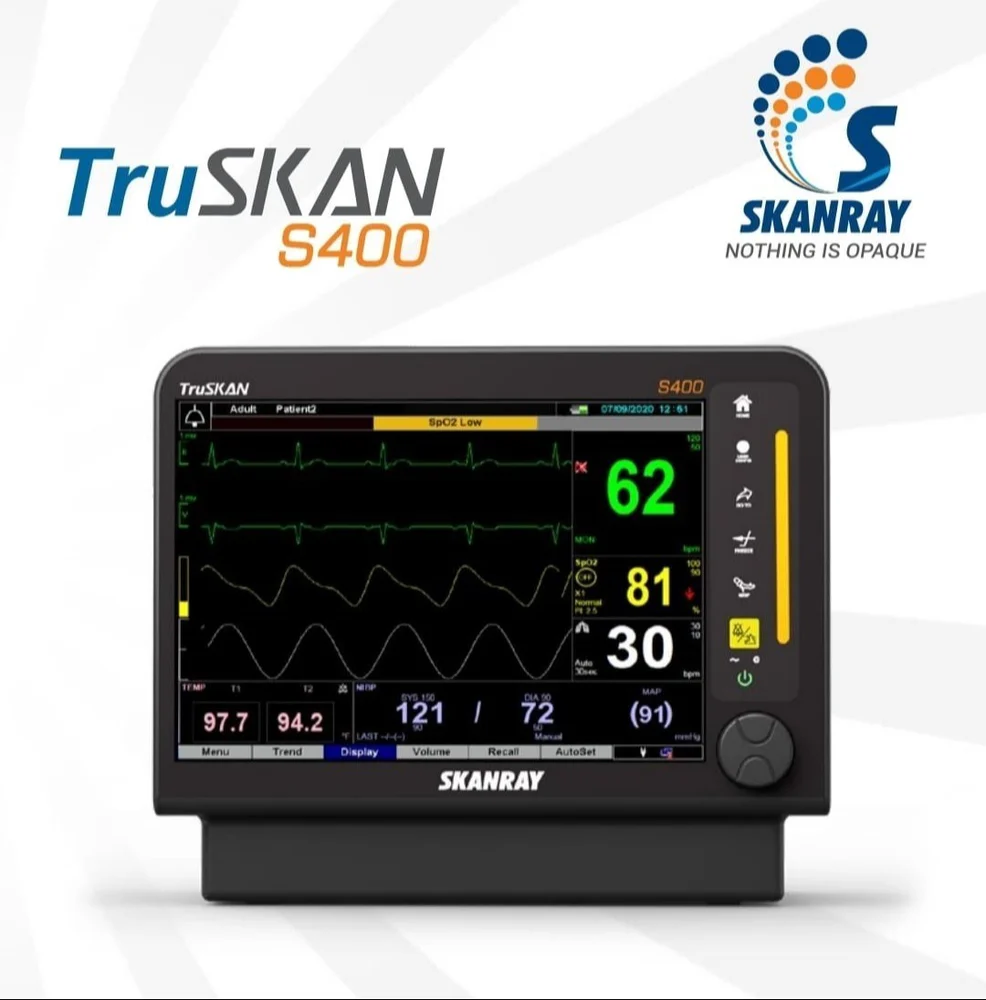
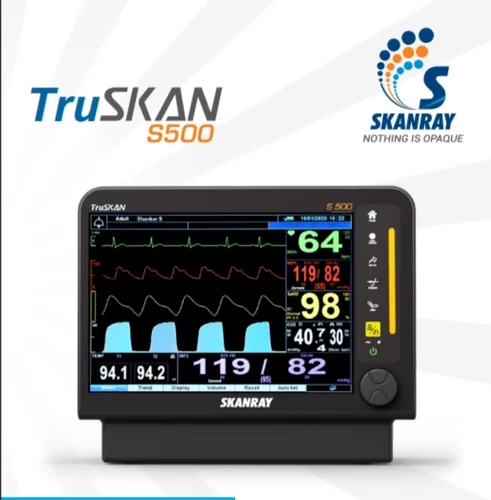
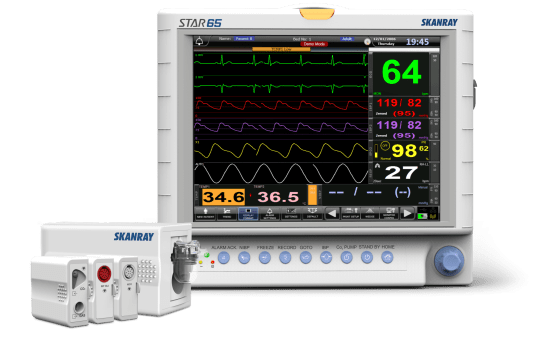
- Multi-Parameter Monitoring: Devices that combine multiple monitoring capabilities into one unit will simplify the monitoring process and improve efficiency. This could streamline workflows in the operating room and enhance patient care.
- Telemedicine Applications: Remote monitoring technologies could allow for better management of pediatric patients, even in outpatient settings. This could facilitate follow-up care and reduce the need for in-person visits, particularly for children with chronic conditions.
Conclusion
Advancements in non-invasive monitoring techniques are transforming pediatric anesthesia, significantly enhancing patient safety and care. As technology continues to evolve, these methods will likely become even more integral to clinical practice. By staying informed about these advancements, healthcare professionals can provide the highest standard of care for their pediatric patients.
This article is for educational purposes only and is not a substitute for professional medical advice. Always consult a qualified healthcare provider for any medical concerns.
To learn more about our range of non-invasive monitoring equipment and how they can enhance pediatric anesthesia practices, explore Kanlife's offerings or get in touch with our expert team today.
Frequently asked questions
What is non-invasive monitoring?
Non-invasive monitoring involves assessing physiological parameters without invasive procedures, ensuring patient comfort and safety.
How does non-invasive monitoring work in pediatric anesthesia?
Non-invasive monitoring techniques like pulse oximetry and capnography continuously track vital signs, allowing for real-time assessment during anesthesia.
What are the benefits of non-invasive monitoring in children?
Benefits include reduced risk of complications, increased comfort, and improved recovery times compared to invasive methods.
Where is non-invasive monitoring used in healthcare?
Non-invasive monitoring is widely used in various healthcare settings, including operating rooms, intensive care units, and outpatient facilities.
What advancements are being made in non-invasive monitoring?
Current advancements include wearable devices, advanced capnometers, and remote monitoring systems that enhance data accuracy and patient safety.